Network infrastructure is often taken for granted in commercial buildings. As long as systems appear to work, many organizations delay upgrades or rely on outdated designs that were never intended to support modern operations. Over time, these decisions create hidden costs that affect productivity, security, and long term reliability.
In 2026, commercial facilities depend on their networks for far more than basic connectivity. Security systems, access control, cloud applications, communication platforms, and operational tools all rely on stable and secure network infrastructure. When the network underperforms, the impact reaches every department.
Downtime Is More Expensive Than Most Facilities Realize
Network downtime rarely shows up as a single dramatic failure. More often, it appears as slow systems, intermittent outages, dropped connections, or devices going offline without warning.
These issues lead to:
• Lost productivity across teams
• Delayed operations and workflows
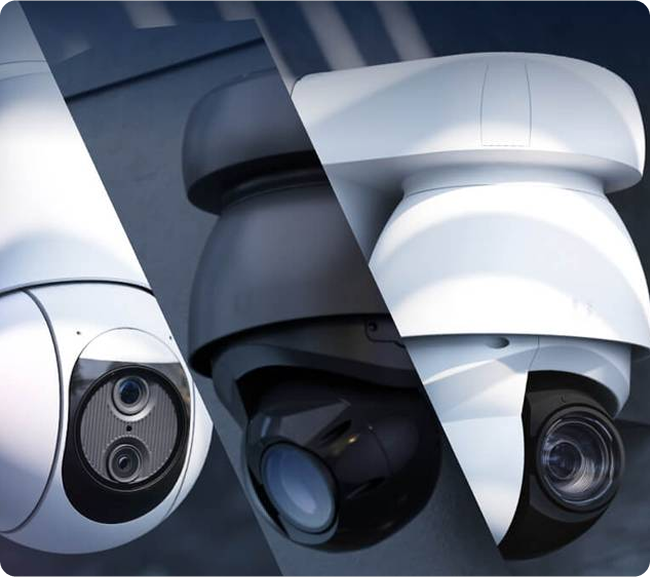
• Missed security alerts or camera outages
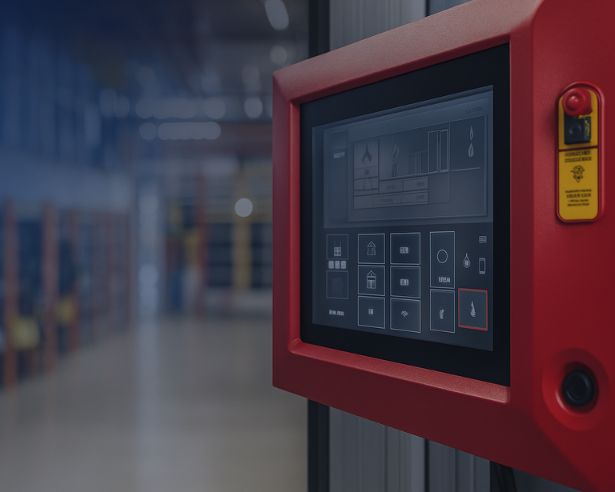
• Disrupted access control systems
• Increased reliance on manual workarounds
Even small interruptions add up when they occur repeatedly. Over time, the cost of lost time and reduced efficiency far exceeds the cost of proper infrastructure planning.
Poor Networks Create Security Vulnerabilities
Network infrastructure plays a direct role in security. When networks are poorly segmented or inconsistently configured, security systems become vulnerable.
Common risks include:
• Security devices sharing networks with noncritical traffic
• Inadequate isolation between systems
• Weak access controls for network management
• Outdated hardware with unpatched vulnerabilities
These weaknesses make it easier for issues to spread and harder to identify the source of problems when incidents occur.
Performance Issues Impact More Than IT
Network problems are often viewed as IT issues, but their effects extend well beyond the IT department.
Security teams may lose camera feeds. Facility managers may experience access control delays. Operations teams may struggle with slow applications or disconnected devices. Leadership may lack real time visibility into systems they depend on for decision making.
A reliable network supports every function in the building. A weak network undermines them.
Legacy Infrastructure Cannot Support Modern Demands
Many commercial buildings still rely on network designs created years ago. These designs were not built to support today’s density of devices or the level of integration required by modern systems.
Signs of aging infrastructure include:
• Limited bandwidth capacity
• Inconsistent wireless coverage
• Unsupported switching hardware
• Lack of redundancy
• Minimal documentation
As new systems are added, these limitations become more apparent and more costly.
The Role of Network Design in Reliability
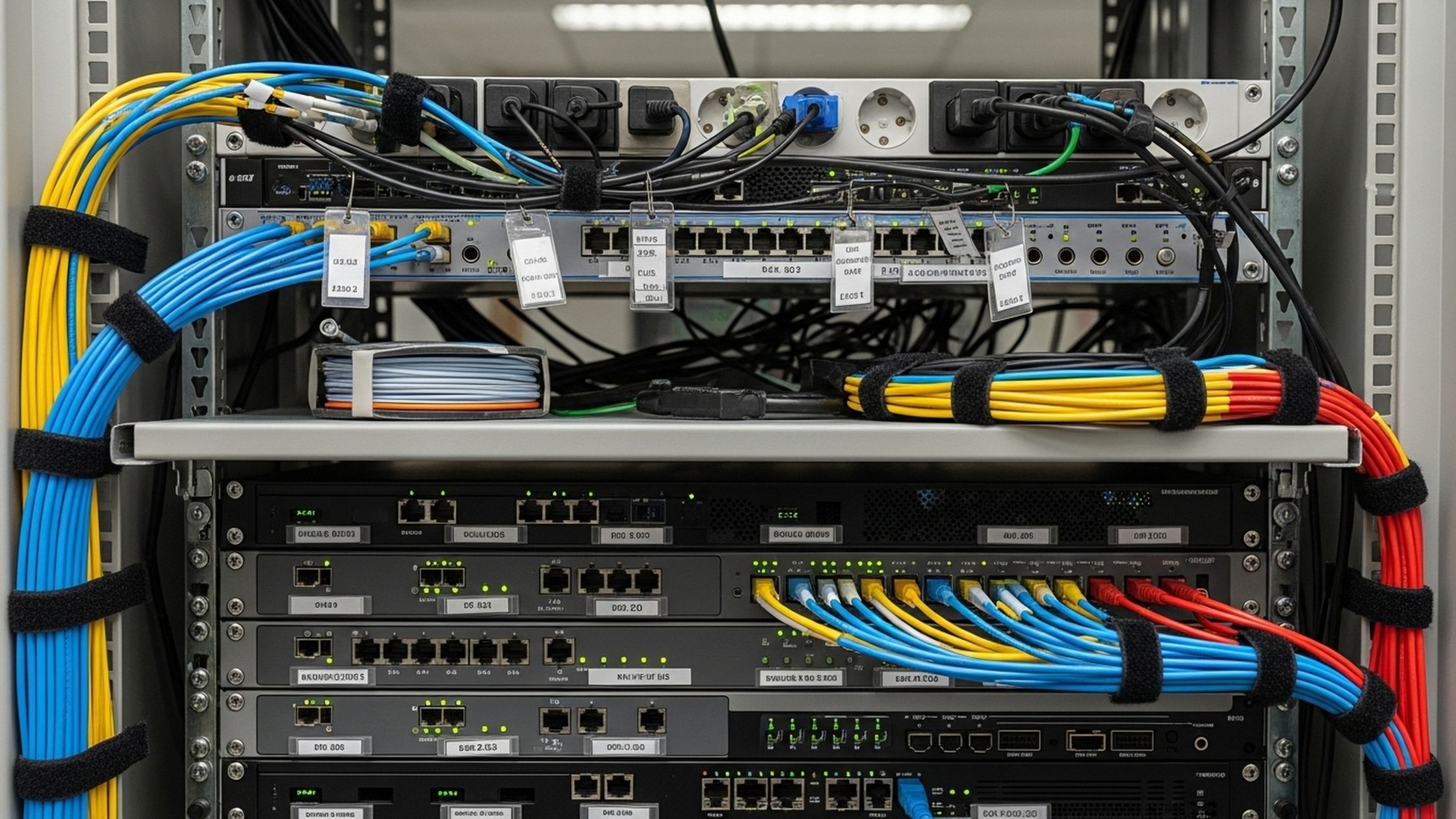
Reliable networks are the result of planning, not chance. Proper network design accounts for traffic patterns, device types, redundancy requirements, and future growth.
Strong designs include:
• Segmentation to isolate critical systems
• Redundant paths where downtime is unacceptable
• Consistent switching standards
• Scalable wireless architecture
• Centralized monitoring and alerting
Design decisions made early determine how resilient the network will be over time.
Network Issues Increase Support Costs
When infrastructure is unreliable, support teams spend more time troubleshooting and less time improving systems. Problems take longer to diagnose when documentation is missing or configurations vary across locations.
This increases:
• Service call frequency
• Emergency repair costs
• Vendor dependence
• Staff frustration
• Long term operational risk
Well designed networks reduce support burden and improve predictability.
Planning for Growth Reduces Long Term Cost
Facilities evolve. New equipment, new systems, and new buildings place additional demands on infrastructure.
Networks designed with growth in mind support expansion without constant rework. This includes planning for additional bandwidth, device density, and system integration.
Scalable infrastructure reduces the need for disruptive upgrades and protects capital investment.
Network Infrastructure as a Strategic Asset
Forward thinking organizations treat network infrastructure as a strategic asset rather than a background utility. Reliable networks support security, efficiency, compliance, and future technology initiatives.
Facilities that invest in strong infrastructure experience fewer outages, lower support costs, and better system performance across the board.
Network Infrastructure Services From Tolleson Inc.
Tolleson Inc provides network infrastructure planning, installation, and support for commercial and industrial facilities nationwide. Our team helps organizations identify weaknesses, improve reliability, and design networks that support security systems, operations, and long term growth.
Facilities seeking to reduce downtime and operational risk benefit from infrastructure designed to perform under real world conditions.