Many businesses focus heavily on cameras, access control, and alarm systems when planning security upgrades. While these components are essential, they all rely on one critical foundation that is often overlooked.
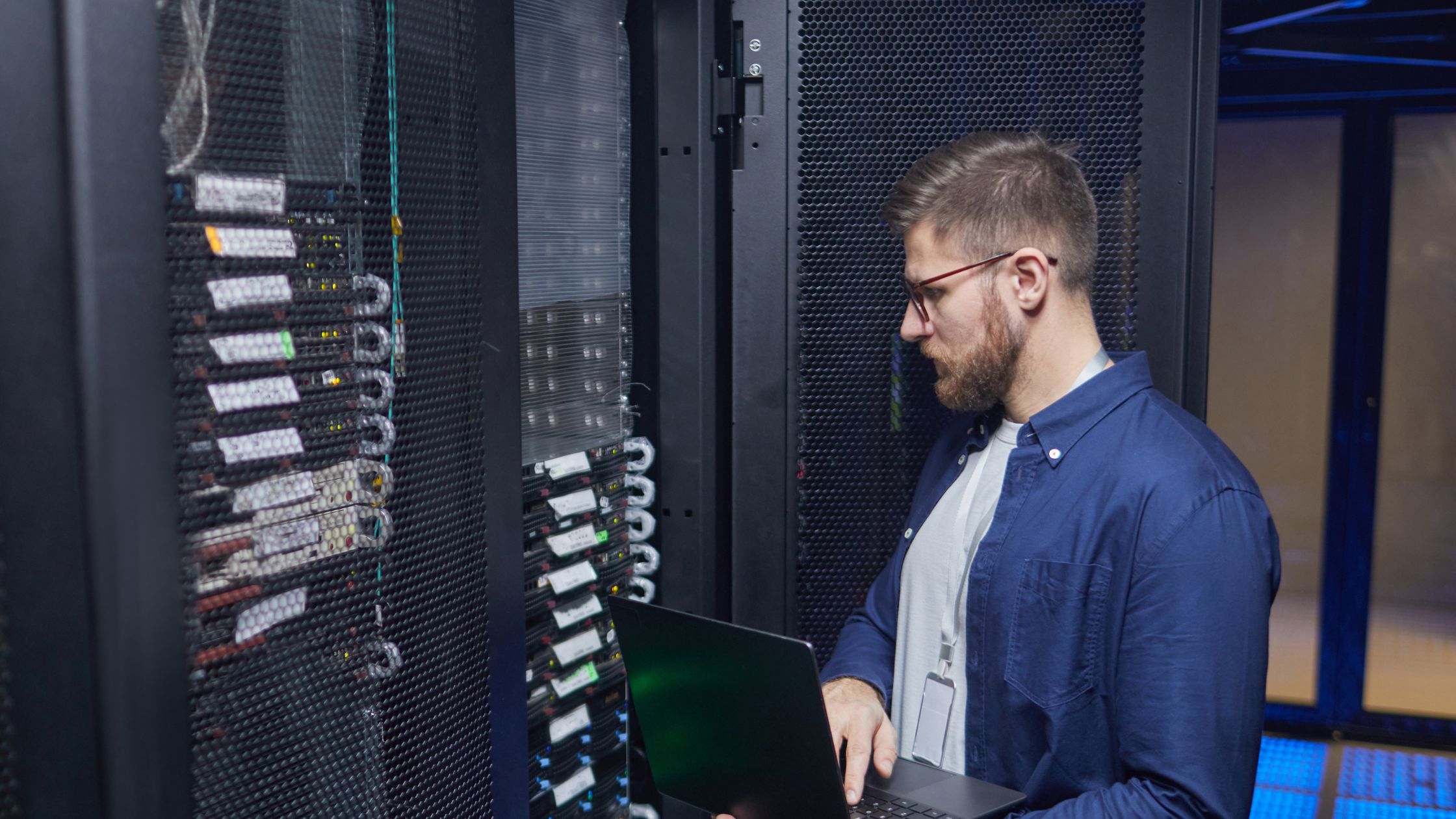
Your business network is the backbone of your security system. Without a properly designed and maintained network, even the most advanced security technologies will struggle to perform reliably.
This is why more organizations are shifting toward integrated security and IT systems, where infrastructure and protection strategies are built together from the start.
Why Network Infrastructure Matters for Security Systems
Modern security systems are no longer standalone. Cameras, access control devices, and monitoring platforms all rely on network connectivity to function.
Key systems that depend on your network include:
- IP camera systems and video storage
- Access control platforms and credential management
- Remote monitoring and alert systems
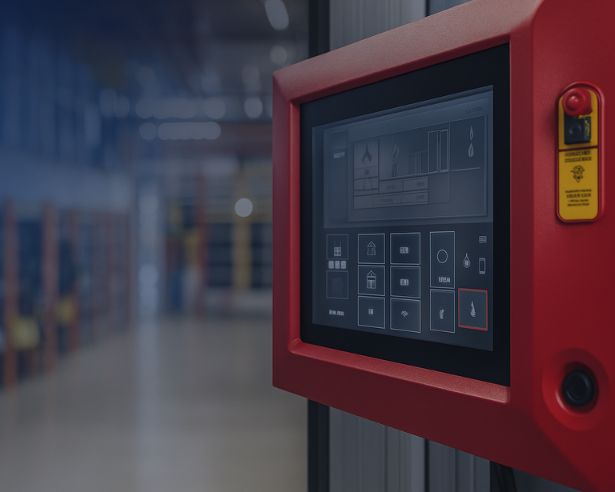
- Fire and life safety integrations
- Cloud-based security applications
If the network is slow, unstable, or poorly configured, these systems can experience delays, outages, or vulnerabilities.
The Impact of Poor Network Performance on Security
When network infrastructure is not properly designed, security systems do not operate at full capacity.
Common issues include:
- Lagging or frozen camera feeds
- Dropped video recordings
- Delayed access control responses
- Failed remote monitoring alerts
- Increased cybersecurity risks
These problems are often tied directly to issues outlined in the hidden cost of poor network infrastructure, which can significantly impact both security and operations.
How Network Infrastructure Supports Modern Camera Systems
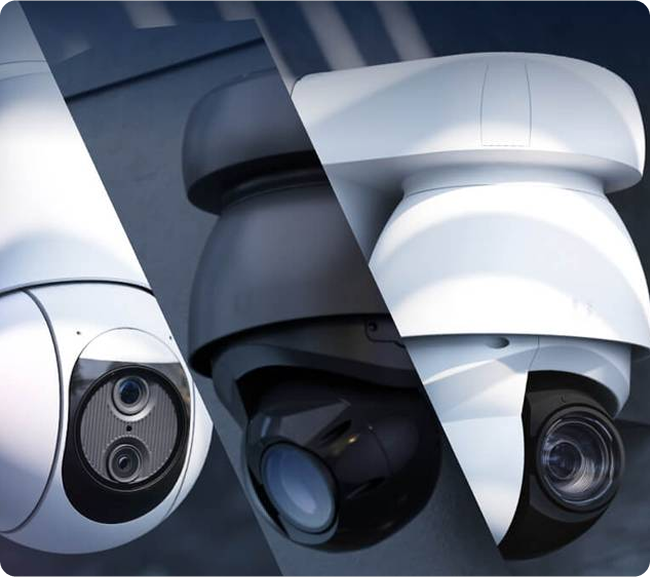
Today’s commercial camera systems rely heavily on bandwidth, storage, and consistent connectivity.
High-resolution video, AI analytics, and remote access all require a stable and scalable network environment.
Without proper infrastructure:
- Video quality may be reduced
- Footage may not store correctly
- AI analytics may fail to process data in real time
This is especially important as businesses adopt advanced technologies like AI-driven surveillance and centralized monitoring.
The Role of Network Design in Access Control Systems
Access control systems depend on real-time communication between devices, servers, and management platforms.
When properly supported by the network, these systems enable organizations to:
- Manage access across multiple locations
- Track user activity in real time
- Instantly update permissions
- Respond quickly to security events
Without a reliable network, these capabilities are limited, reducing the effectiveness of systems where access control improves accountability.
Supporting Remote Monitoring and Real-Time Response
Remote monitoring systems depend entirely on network performance. If data cannot be transmitted quickly and securely, monitoring teams lose visibility.
Reliable infrastructure ensures that remote monitoring for commercial security works as intended, providing real-time alerts and rapid response capabilities.
This is critical for facilities that require continuous oversight across multiple locations.
Cybersecurity Starts with Your Network
Security systems connected to your network can become entry points for cyber threats if not properly secured.
Best practices include:
- Network segmentation for security devices
- Strong credential management
- Regular firmware updates
- Encrypted data transmission
Businesses that overlook these steps may face risks outlined in cybersecurity in commercial security systems.
Planning Network Infrastructure for Long-Term Growth
Security systems should be designed with scalability in mind. As businesses grow, their infrastructure must support additional devices, locations, and data demands.
This is why early planning, such as planning technology infrastructure, plays a key role in long-term success.
A scalable network allows organizations to expand without needing to replace entire systems.
How Tolleson Inc Builds Strong Security Foundations
Tolleson Inc designs and implements network infrastructure that supports modern security systems. By combining IT expertise with security integration, businesses receive reliable, scalable, and secure solutions.
From structured cabling to system integration, every component is designed to support performance and long-term growth.
If your current system is experiencing performance issues or you are planning an upgrade, you can schedule a consultation to evaluate your network and security infrastructure.
Building Smarter, More Reliable Security Systems
Security systems are only as strong as the network behind them. Businesses that invest in strong infrastructure gain better performance, improved reliability, and greater protection across all systems.
By treating network infrastructure as a core part of your security strategy, you create a foundation that supports both current operations and future growth.