Many businesses use the terms structured cabling and network infrastructure interchangeably. While they are closely related, they are not the same thing.
Understanding the difference between structured cabling and network infrastructure is critical when planning commercial security systems, IT environments, and long-term scalability.
Both play a key role in supporting modern systems, especially as organizations move toward integrated security and IT systems.
What Is Structured Cabling
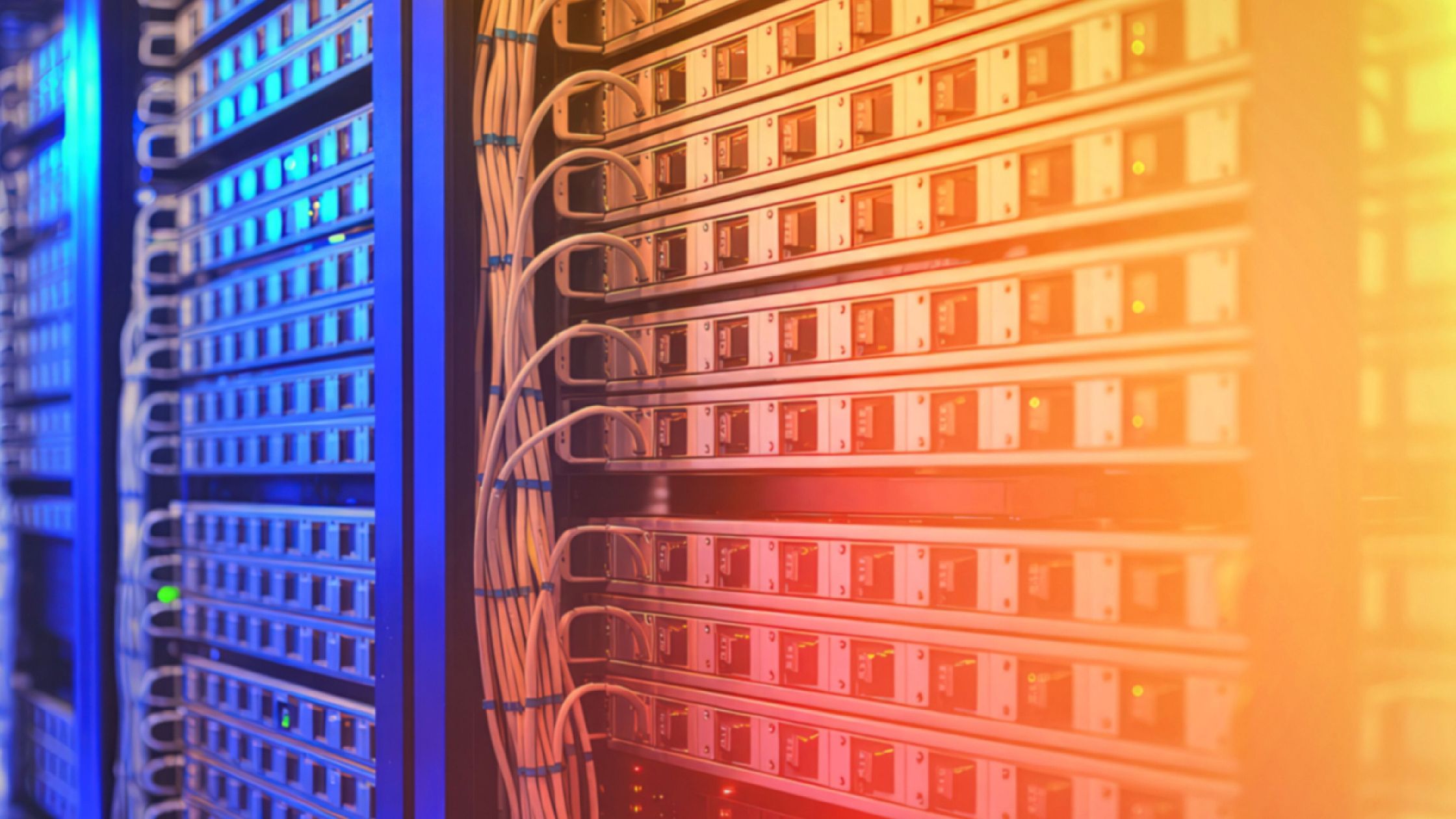
Structured cabling refers to the physical wiring that connects devices throughout a building or facility. This includes Ethernet cables, patch panels, and connectivity points that form the foundation of communication systems.
A well-designed structured cabling system provides organized, scalable, and standardized connections for all networked devices.
It supports systems such as:
- IP camera systems
- Access control systems
- VoIP phone systems
- WiFi networks
- Data communication between devices
Without proper cabling, no network can function efficiently.
What Is Network Infrastructure
Network infrastructure includes the hardware, software, and configuration that allow data to move across the system.
This includes:
- Switches and routers
- Firewalls and security devices
- Servers and storage systems
- Network configuration and management
- Cloud connectivity
Network infrastructure builds on top of cabling to deliver performance, security, and connectivity across the organization.
To understand how critical this is, it helps to review why network infrastructure for industrial facilities is essential for reliable operations.
Key Differences Between Cabling and Infrastructure
While both systems work together, their roles are very different.
- Structured cabling is the physical layer
- Network infrastructure is the operational layer
- Cabling supports connectivity
- Infrastructure manages and controls data flow
- Cabling is passive
- Infrastructure is active and dynamic
Think of cabling as the roads and infrastructure as the traffic system that directs movement.
Why Businesses Often Get This Wrong
Many companies invest heavily in network equipment while overlooking the importance of proper cabling.
Common mistakes include:
- Using outdated or poorly installed cabling
- Failing to plan for future expansion
- Ignoring cable management and organization
- Not testing or certifying installations
These issues often lead to problems highlighted in the hidden cost of poor network infrastructure.
How Cabling Impacts Security Systems
Security systems rely heavily on both cabling and infrastructure.
For example:
- commercial camera systems require consistent bandwidth and stable connections
- Access control systems depend on real-time communication
- Monitoring systems require uninterrupted data transmission
Poor cabling can result in dropped connections, reduced performance, and unreliable security coverage.
The Role of Infrastructure in Security Performance
While cabling provides the connection, infrastructure ensures performance.
This is especially important for systems like remote monitoring for commercial security, where real-time data is critical.
Advanced technologies such as AI analytics also depend on strong infrastructure to process and analyze data efficiently.
Planning for Long-Term Scalability
Businesses should design both cabling and infrastructure with growth in mind.
Key considerations include:
- Future device expansion
- Increased bandwidth requirements
- Integration with new technologies
- Support for multiple locations
Early planning, such as planning technology infrastructure, helps avoid costly upgrades later.
How Tolleson Inc Delivers Complete Solutions
Tolleson Inc provides both structured cabling and network infrastructure services, ensuring that systems are designed to work together from the ground up.
By aligning physical connections with system performance, businesses receive reliable, scalable, and secure environments.
If you are planning a new installation or upgrading an existing system, you can schedule a consultation to evaluate your infrastructure.
Building the Right Foundation for Performance
Structured cabling and network infrastructure are both essential components of modern business systems. Treating them as separate or unequal can lead to performance issues and increased costs.
When designed correctly, these systems work together to support security, communication, and long-term growth.
Planning the physical connections for a project? Explore our structured cabling services and network solutions, or talk through your requirements.