Commercial buildings are becoming more intelligent, connected, and data-driven. From office complexes to industrial facilities, businesses are adopting systems that improve efficiency, security, and operational control.
At the center of this transformation are integrated security and IT systems. Instead of operating independently, security technologies and network infrastructure now work together as part of a unified ecosystem.
This approach builds on the concept explored in integrated security and IT systems, where connectivity and protection are designed to function as one system.
What Defines a Smart Building
A smart building uses connected technologies to monitor, manage, and optimize operations in real time. These systems collect data, automate processes, and provide centralized control over multiple functions.
Core components often include:
- Security systems such as cameras and access control
- Network infrastructure and connectivity
- Environmental and energy management systems
- Audio visual and communication platforms
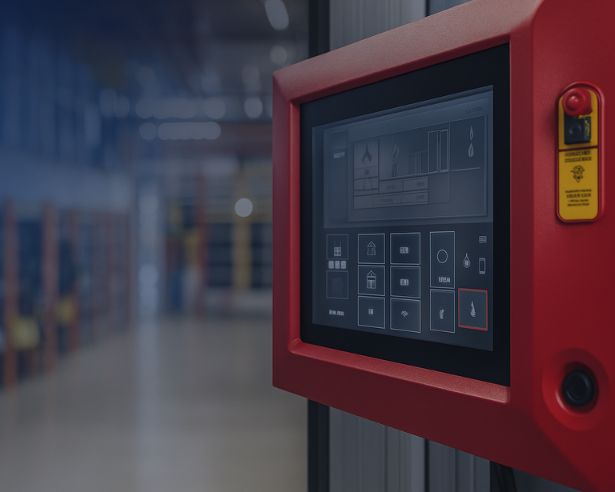
- Centralized dashboards for monitoring and control
The key difference is integration. Systems are designed to share data and work together instead of operating in isolation.
How Security Systems Fit Into Smart Building Design
Security is one of the most critical components of any smart building. Modern systems provide more than protection. They contribute to overall operational awareness.
Examples include:
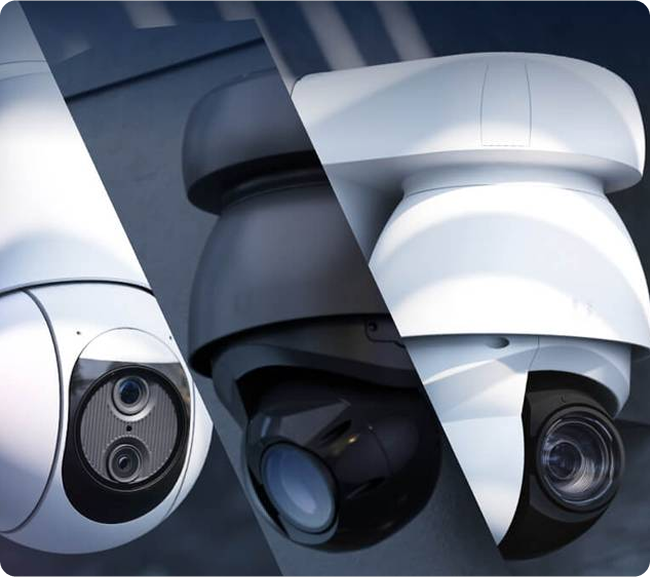
- commercial camera systems that provide real-time visibility and analytics
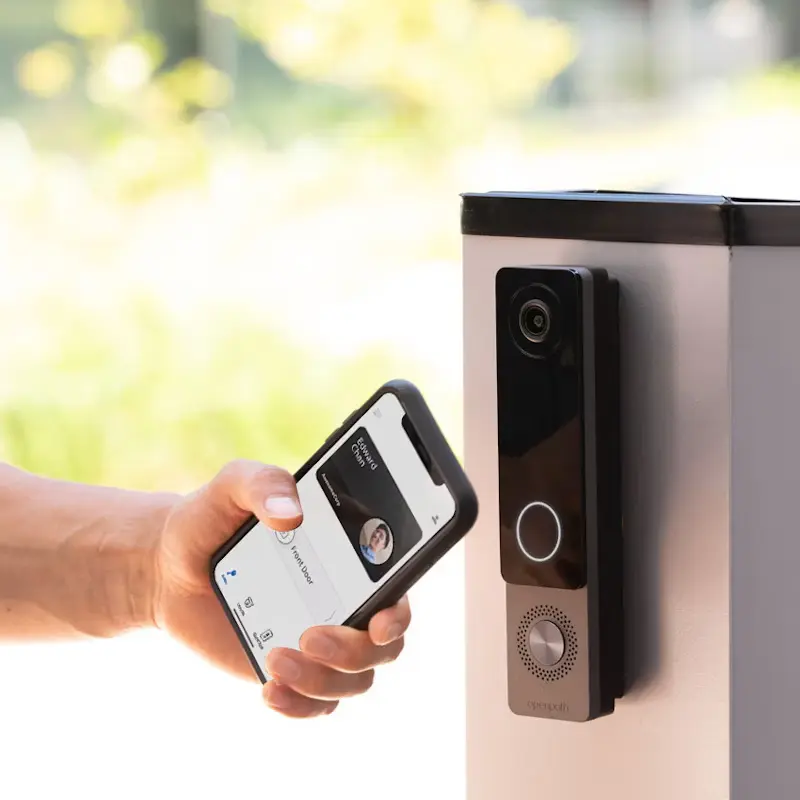
- Access control systems that manage and track entry across multiple locations
- Monitoring platforms that deliver immediate alerts and response capabilities
When these systems are integrated, they provide a complete view of what is happening within a facility.
The Role of Network Infrastructure in Smart Buildings
Every smart building depends on a strong network foundation. Without it, systems cannot communicate or operate effectively.
Network infrastructure supports:
- Data transmission between systems
- Real-time monitoring and alerts
- Cloud connectivity and remote access
- System reliability and uptime
This is why understanding the importance of network infrastructure for industrial facilities is critical when designing modern buildings.
Benefits of Integrated Security and IT Systems
Centralized Control
All systems can be managed from a single interface, allowing teams to monitor and respond quickly.
Improved Efficiency
Automation reduces manual tasks and streamlines operations across departments.
Enhanced Security
Integrated systems provide better visibility and faster response to potential threats.
Scalability
New technologies and locations can be added without redesigning the entire system.
Data-Driven Decision Making
Real-time data allows businesses to optimize operations and improve performance.
Real World Example of System Integration
In a fully integrated environment:
- Access control events can trigger camera recordings
- Security alerts can notify monitoring teams instantly
- Systems can adjust automatically based on occupancy or activity
- Data from multiple systems can be viewed in one dashboard
This level of coordination is what defines a modern smart building.
Common Challenges Without Integration
Buildings that rely on disconnected systems often face:
- Limited visibility across operations
- Slower response to incidents
- Higher operational costs
- Complex system management
- Difficulty scaling as the business grows
These issues highlight the importance of planning and integration from the start.
Planning Smart Building Infrastructure
Successful smart building projects begin with proper planning. Systems must be designed to work together from day one.
This includes considerations such as planning technology infrastructure to support both current needs and future growth.
Without this foundation, integration becomes more difficult and costly.
How Tolleson Inc Delivers Integrated Solutions
Tolleson Inc helps businesses design and implement smart building systems that combine security, IT infrastructure, and operational technologies.
By focusing on integration, businesses gain systems that are reliable, scalable, and aligned with long-term goals.
From network design to security deployment, every component is built to work together seamlessly.
If you are planning a new facility or upgrading an existing one, you can schedule a consultation to explore integrated solutions.
The Future of Commercial Buildings
Smart buildings are becoming the standard for modern businesses. Organizations that invest in integrated systems gain better control, improved efficiency, and stronger security.
As technology continues to evolve, integration will play an even greater role in how facilities operate and grow.
Businesses that adopt this approach now will be better positioned for long-term success.