Property managers are being asked to solve a difficult mix of problems at the same time. Residents want convenient entry. Ownership groups want better visibility and lower operating risk. Leasing teams need easier move-ins and move-outs. Maintenance teams need controlled access to work areas. Vendors need temporary credentials. Package traffic keeps increasing. None of that works well with a ring of old metal keys, a dated call box, and several disconnected systems that were installed years apart.
That is why multifamily access control systems have become a strategic investment instead of a simple door hardware upgrade.
For apartment communities, mixed-use buildings, student housing, senior living, and build-to-rent developments, access control now affects resident experience, staff productivity, liability exposure, and long-term asset performance. The conversation is no longer just about how to unlock a front door. It is about how to manage people, spaces, events, deliveries, vendors, and after-hours access in a way that is secure, trackable, and easy to administer.
For properties in Nashville, across Tennessee, and nationwide, the right system needs to support both daily operations and long-term growth.
Why multifamily access control is different from standard commercial access
Multifamily properties sit in a unique category. They operate like commercial environments because they have teams, policies, schedules, shared infrastructure, and controlled spaces. At the same time, they are residential communities where user experience matters every day. People do not tolerate friction well when that friction affects how they enter their own home, let in a guest, receive a package, or reach the gym after work.
That means a multifamily access control system has to balance:
- Security
- Convenience
- Administrative efficiency
- Code compliance
- Scalability across buildings and amenities
In a typical office building, access control may primarily focus on employees and visitors. In a multifamily community, there may be residents, applicants, guests, delivery drivers, maintenance staff, third-party vendors, cleaners, leasing agents, regional supervisors, and emergency responders. Each user group needs a different level of access. Those permissions also change constantly.
That makes a static key-based model inefficient almost immediately.
Problems property managers run into with older systems
Many communities already have some version of access control, but the system is often fragmented. A gate may operate on one platform. The front entry may use an older call box. The clubhouse might have a standalone keypad. Storage rooms may still use physical keys. Staff areas might not be tracked at all.
This patchwork approach creates operational drag.
Common issues include:
- Lost, copied, or unreturned keys and fobs
- Slow resident turnover because credentials are not easy to revoke
- No clean audit trail for common areas
- Limited guest and delivery management
- Multiple systems with separate logins and vendors
- Poor visibility into who accessed amenity or staff-only areas
- Frequent service calls tied to outdated hardware
- No real integration with cameras, intercoms, or network infrastructure
These issues are more than annoyances. They cost time, increase risk, and make onsite teams spend hours on tasks that should take minutes.
What a strong multifamily access control system should include
The best multifamily systems are not just doors with readers attached. They are coordinated platforms that connect credentials, door hardware, entry devices, management software, and supporting infrastructure.
Flexible credential options
Different communities have different user needs. A strong system should support more than one credential type so the property can choose what best fits residents, staff, and vendors.
Typical credential options include:
- Mobile credentials
- Key fobs
- Access cards
- PIN codes for selected areas
- Temporary credentials for guests and vendors
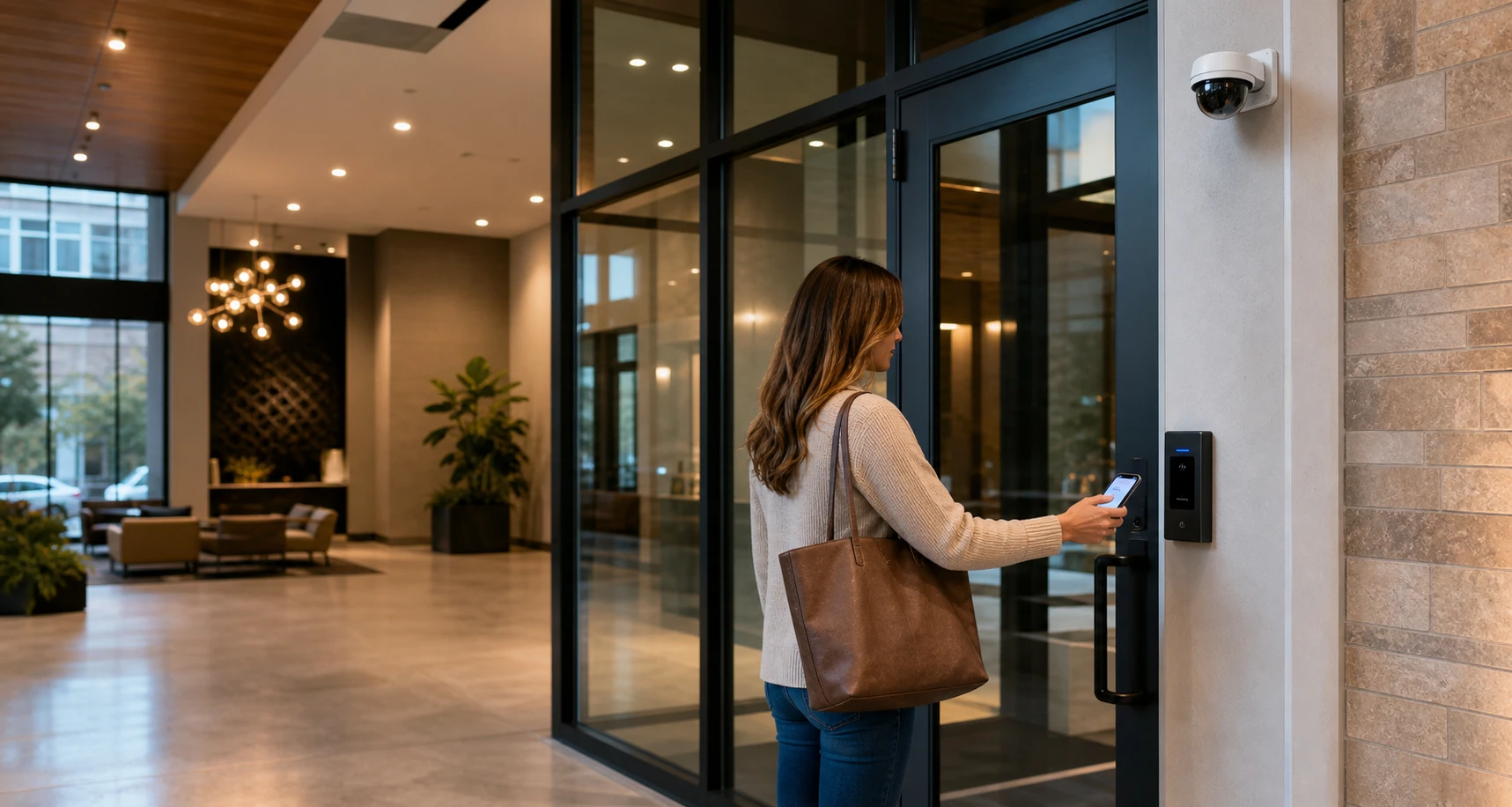
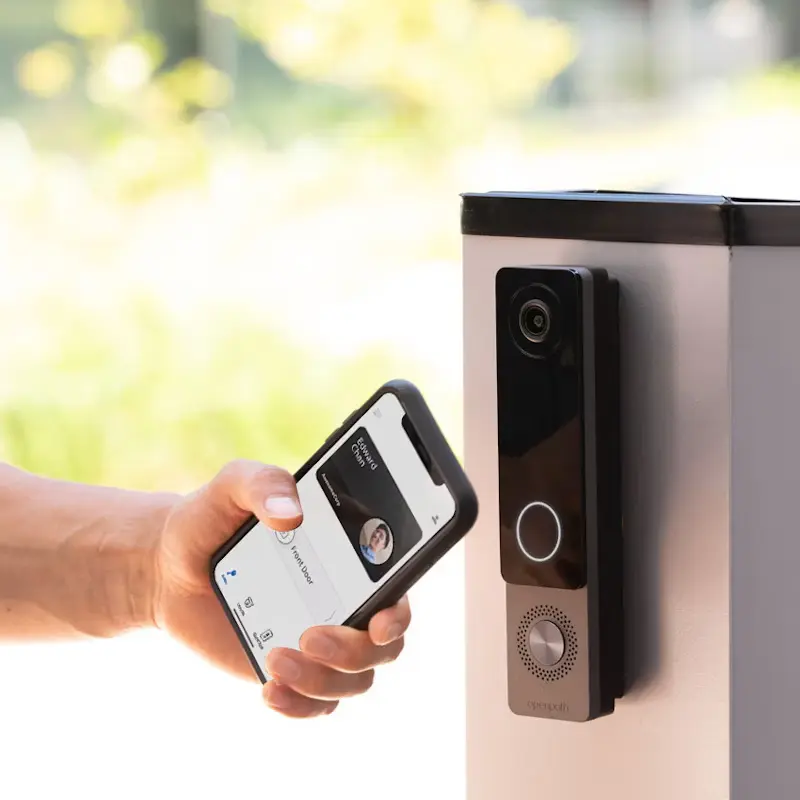
Mobile credentials are attractive because they reduce the cost of issuing and replacing physical credentials. They also align well with resident expectations. Still, most communities benefit from keeping backup options available. Phones die, residents have personal preferences, and some workflows still need a physical credential.
Video entry and visitor management
Visitor management is one of the biggest pain points in multifamily access. The front entry experience shapes resident satisfaction and also affects perceived safety.
A modern system may include:
- Video intercom at main entrances
- Mobile call routing to residents
- Directory tools for staff and leasing
- Guest passes with time-based restrictions
- Delivery workflows
- Entry event logs tied to users and doors
This is especially important in larger communities and mixed-use properties where there is heavy traffic at entrances throughout the day.
Shared space control
The real value of access control often shows up outside the front door. Common areas and back-of-house spaces create many of the daily management headaches in multifamily properties.
High-value controlled spaces often include:
- Fitness centers
- Clubhouses
- Pool gates
- Package rooms
- Storage rooms
- Leasing offices
- Maintenance shops
- IT and telecom rooms
- Roof access
- Parking gates
When those areas are managed through a single system, staff can apply schedules, change permissions quickly, and review activity when an issue comes up.
Why infrastructure matters as much as the software
Property managers often evaluate access control based on the software interface or the credential style, but the day-to-day reliability of the system depends heavily on the low-voltage and network foundation underneath it.
If the building has weak cabling, inconsistent connectivity, poor power design, or badly placed control panels, even a strong software platform will create complaints.
Reliable performance usually depends on:
- Structured cabling designed for door controllers and entry devices
- Proper controller and enclosure placement
- Secure network connectivity
- Battery backup and power planning
- Fiber between buildings when a property spans multiple structures
- Segmentation between security devices and general user traffic
- Documentation for maintenance and future expansion
This is one reason Tolleson Inc.’s mix of access control, network solutions, IT infrastructure, and structured cabling is important in multifamily work. The system should be planned as part of a broader technology environment, not treated like a stand-alone gadget purchase.
Cloud-managed access control vs legacy local control
Most property managers evaluating a new system eventually ask the same question. Should the access control platform be cloud-managed or locally hosted?
The answer depends on the property, the portfolio, and the internal management model, but for many multifamily operators cloud-managed systems offer practical advantages.
| Option | Best Fit | Strengths | Watchouts |
|---|---|---|---|
| Cloud-managed | Most apartment communities and growing portfolios | Remote administration, faster credential changes, portfolio visibility, easier software updates | Requires stable networking, vendor review, and cybersecurity discipline |
| On-premise | Highly customized sites or properties with strict local control preferences | Local hosting, potential fit for specialized requirements | Higher admin burden, more maintenance overhead, harder multi-site scaling |
| Hybrid | Properties upgrading in phases | Can preserve parts of existing infrastructure while modernizing management | Requires careful design to avoid disconnected workflows |
Cloud-managed access control is attractive because it supports remote administration. Regional managers and authorized staff can review events, deactivate credentials, or update access schedules without physically being onsite. That can save time across a portfolio and improve responsiveness when incidents happen after hours.
Still, cloud software is not a substitute for good design. If the network and door hardware are not planned correctly, the resident experience will still suffer.
Compliance and life safety should guide the design
Convenience should never override life safety. Any multifamily access control project should be reviewed through both a security lens and an egress lens.
Property managers should expect their integrator to understand:
- UL 294 considerations for access control components
- NFPA 101 life safety requirements related to egress
- Applicable electrical and low-voltage installation requirements
- Fire alarm interface requirements where applicable
- The authority having jurisdiction in the local market
In practical terms, this means controlled openings should work safely during emergencies, fail states should be clearly planned, and no door should be electrified in a way that creates a dangerous or noncompliant situation.
Cybersecurity is now part of physical security
Modern access control systems are connected systems. That means they should be evaluated with the same seriousness as any other network-connected technology.
Property owners and managers should ask how the system handles:
- Role-based permissions
- Password policies
- Audit logs
- Device firmware updates
- Secure remote access
- Network segmentation
- Vendor access controls
This is where guidance like the NIST Cybersecurity Framework 2.0 becomes useful. The exact implementation can vary, but the larger point is simple: if a system can be administered over a network, it needs a cybersecurity plan. For a broader look at that risk, see why cybersecurity matters in modern commercial security systems.
How property managers should evaluate vendors and proposals
A good proposal should answer operational questions, not just list hardware counts. Reader counts and controller quantities matter, but they are not enough.
Property managers should evaluate proposals across five categories.
1. Daily operations
Ask how the system handles:
- Move-ins
- Move-outs
- Staff turnover
- Guest passes
- Vendor access
- Delivery traffic
- Amenity schedules
2. Resident experience
Ask whether the system supports:
- Fast and consistent entry
- Simple visitor workflows
- Mobile convenience
- Backup credential options
- Clean communication at the front entrance
3. Infrastructure readiness
Ask what the property needs in terms of:
- Cabling upgrades
- Network switching
- Internet and backhaul
- Backup power
- Door hardware replacement
- Building-to-building connectivity
4. Integration opportunities
Ask whether the system can coordinate with:
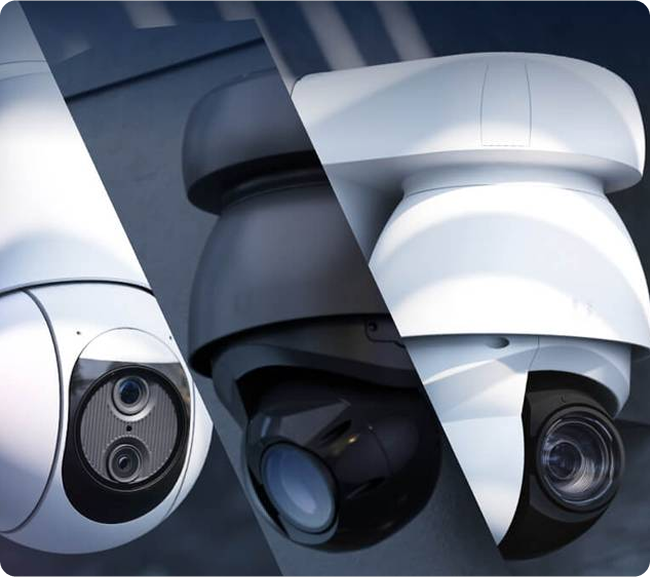
- Video surveillance
- Video entry
- Alarm conditions
- Remote support
- Future smart-building tools
5. Long-term service and scalability
Ask who handles:
- Training
- Expansion
- Troubleshooting
- Remote diagnostics
- Software updates
- Documentation
The strongest provider is not just installing hardware. They are helping the property standardize workflows and reduce long-term friction.
What a phased upgrade usually looks like
Many occupied properties cannot replace every entry point at once. A phased rollout is often the best path.
A practical sequence might look like this:
- Conduct a site and infrastructure assessment
- Prioritize perimeter entries, leasing, and amenity spaces
- Upgrade visitor entry and intercom workflows
- Expand to staff-only and operational spaces
- Standardize credentials and permissions
- Connect video surveillance and reporting
- Plan future phases for garages, elevators, or secondary buildings
This approach helps ownership groups control cost while improving security in visible and operationally meaningful ways.
Why this topic matters right now
Resident expectations are rising, staffing remains tight, and liability concerns are not going away. Properties that rely on disconnected systems usually feel the pain in the form of more manual work, more access issues, and less accountability.
A well-designed multifamily access control system helps solve those problems in a measurable way. It improves control over doors and amenities, gives staff better visibility, reduces rekeying and credential confusion, and creates a cleaner operational model for the entire community.
For properties in Nashville and throughout Tennessee, that can support better onsite management and a stronger resident experience. For regional and national portfolios, it creates a standard that can scale from one property to the next.
Before choosing a platform, property managers should start with a full review of the building, the entry points, the network, and the long-term operating model. The best outcomes happen when access control is planned as part of the property’s broader security and infrastructure strategy.
Frequently Asked Questions
What is a multifamily access control system?
A multifamily access control system manages entry to apartment buildings, gates, amenity spaces, staff areas, and other controlled zones using digital credentials such as mobile access, fobs, cards, or PINs.
Is cloud-based access control a good fit for apartment communities?
In many cases, yes. Cloud-managed systems are often a strong fit because they support remote administration, faster credential changes, and better portfolio visibility. They still require strong network and cybersecurity planning.
Can a property upgrade access control without replacing everything at once?
Yes. Many communities use phased rollouts that begin with front entries, amenity areas, or leasing spaces before expanding to the rest of the property.
How does access control help property managers day to day?
It simplifies resident turnover, reduces rekeying, improves guest and vendor management, creates audit trails, and gives teams more control over common and staff-only areas.
What systems should be planned alongside access control?
Video intercom, security cameras, structured cabling, secure networking, and remote support should all be considered during planning.
Planning a project? Explore our multifamily security and technology planning for the next step.