Most facility managers do not begin a fire and life safety upgrade because they woke up wanting a new project.
Usually the trigger is something less comfortable:
- repeated trouble conditions
- a failing panel
- unsupported hardware
- documentation gaps
- renovation work
- occupancy changes
- inspection findings
- insurance pressure
- concern that the system no longer matches how the facility actually operates
When that point arrives, the biggest mistake is treating the upgrade as a simple equipment swap.
Fire and life safety systems affect people, compliance, emergency response, operations, and liability. A rushed project can create as many problems as it solves. A well-planned one improves reliability, clarifies risk, and supports long-term continuity.
For facility managers, the question is not just whether equipment is old. The question is whether the current system is still appropriate, supportable, and compliant for the building’s real conditions.
What counts as a fire and life safety upgrade
An upgrade can mean different things depending on the facility.
It may involve:
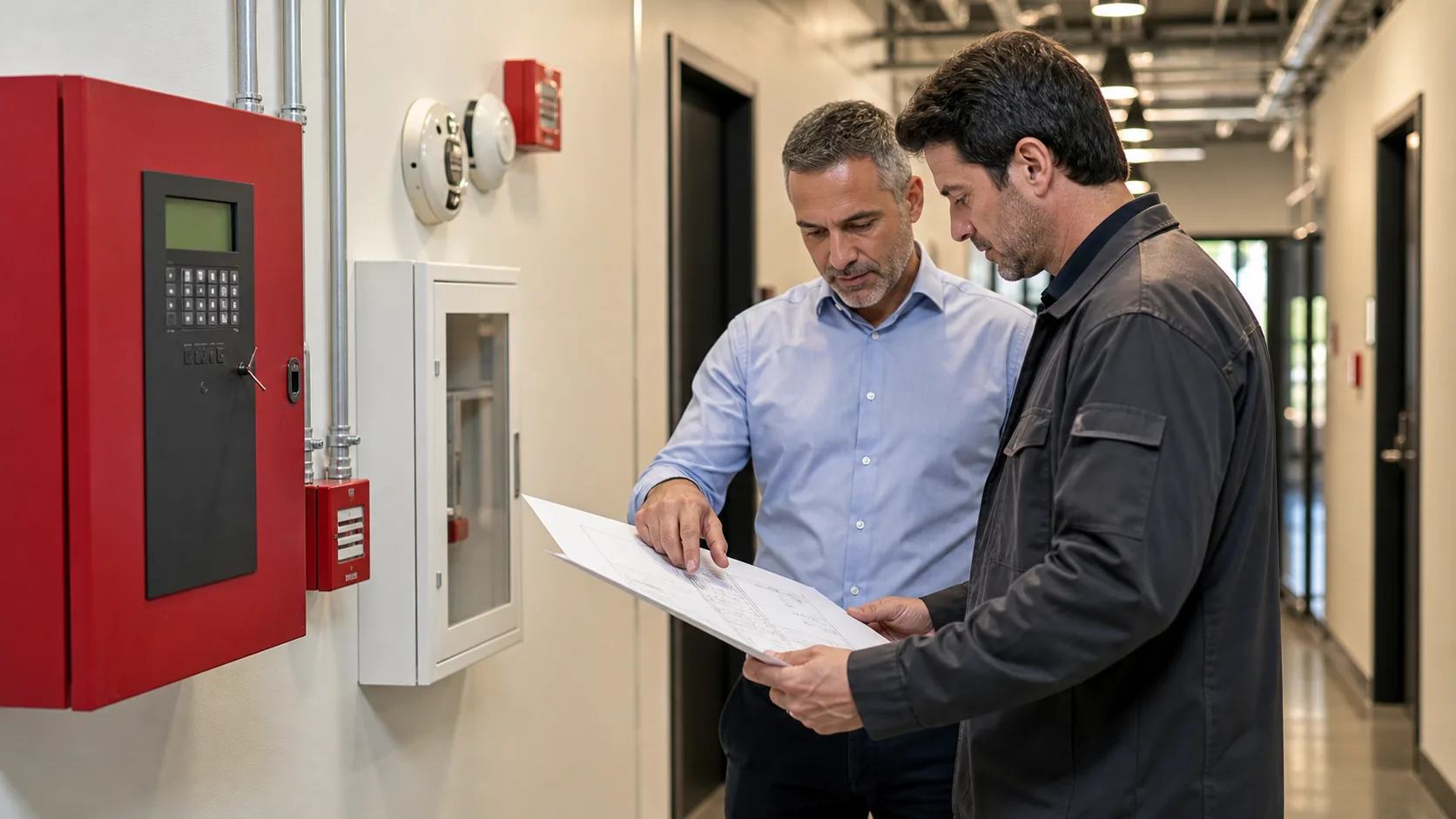
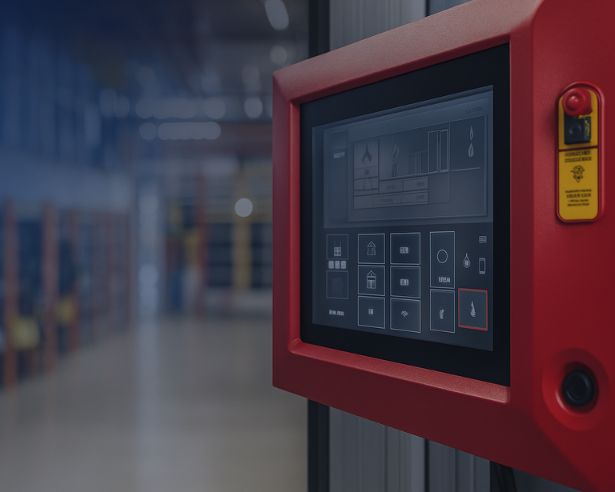
- replacing an aging fire alarm control panel
- adding monitoring or communication path improvements
- upgrading detection devices
- reworking notification coverage
- modernizing documentation and labeling
- supporting tenant improvements or renovations
- integrating new areas or occupancy changes
- taking over and stabilizing an inherited system
The scope can be modest or substantial, but the planning discipline should be the same. Life safety work deserves a full picture of the building, the current system, and the regulatory environment.
Why waiting too long creates more risk
Facility teams often keep older systems running because the building is occupied, budgets are tight, and disruption is hard to schedule. That is understandable, but delay tends to raise both operational and project risk.
Common consequences include:
- harder-to-source parts
- longer downtime during failures
- limited expansion options
- recurring service calls
- incomplete records
- tenant or occupant frustration
- more difficult coordination with renovation work
- growing uncertainty around compliance
An older system can still be serviceable, but if the facility is already compensating for known weaknesses, the organization is often carrying more risk than leadership realizes.
Compliance should guide the project from the beginning
Life safety projects are not just technical upgrades. They are code-sensitive upgrades.
That is why early planning should consider:
- the applicable edition adopted by the local jurisdiction
- the role of the authority having jurisdiction
- building occupancy and use
- means of egress implications
- device coverage and notification expectations
- monitoring and supervision requirements
- emergency communication expectations where applicable
Relevant national standards often include NFPA 72, which addresses fire alarm and signaling systems, and NFPA 101, the Life Safety Code. Exact local requirements depend on what has been adopted and how the AHJ interprets the conditions in the field.
That is why compliance conversations should happen before procurement, not after installation has already started.
The first step should be an assessment, not a quote
When systems are aging or unreliable, it is tempting to jump straight to pricing. That usually leads to weak scoping.
A better first step is an assessment that reviews:
- panel age and support status
- recurring trouble history
- field device condition
- documentation quality
- wiring and pathway issues
- communication paths
- monitoring setup
- changes in occupancy or layout
- recent inspection results
- serviceability of existing components
Without that assessment, decision makers risk funding the wrong scope. In some facilities, the right move is a phased modernization. In others, a broader replacement is more sensible because patching around the edges no longer solves the core problem.
What facility managers should prioritize
Reliability
The system has to perform consistently. A building cannot rely on a life safety system that is technically present but operationally fragile.
Compliance
The project should be designed around actual requirements, not assumptions based on an older installation.
Supportability
It should be clear who can service the system, what parts are available, and how future expansions or repairs will be handled.
Documentation
Drawings, device records, labeling, and turnover information matter. If the next service team inherits confusion, the project is not finished well.
Occupied-building impact
In active facilities, scheduling, notifications, testing windows, and phased cutovers matter as much as the equipment list.
Common reasons buildings need life safety upgrades
Aging panels and obsolete components
When a panel or major component is nearing end of support, every failure becomes more disruptive and harder to resolve.
Renovations and tenant improvements
If walls move, occupancies shift, or areas are repurposed, the system may need updates to stay aligned with code and building use.
Recurring false alarms or trouble signals
Repeated nuisance conditions are not just an annoyance. They erode confidence and create real operational drag.
Poor documentation
Many inherited buildings have incomplete records, mislabeled devices, or unclear histories. That makes service slower and raises risk during emergencies or inspections.
Integration and communication issues
Some buildings need better monitoring, clearer communication paths, or more dependable coordination across related building systems.
Fire alarm monitoring is only one part of the picture
Monitoring is critical, but it is not the same as an upgrade strategy. The system being monitored still has to be healthy and appropriate for the building.
That said, monitoring does matter. A broader understanding of fire alarm monitoring for industrial facilities helps explain why reliable communication paths, response visibility, and ongoing service support are so important in high-consequence environments.
Why life safety upgrades should be coordinated with other systems
In many buildings, life safety does not live in total isolation.
Projects may involve coordination with:
- door hardware and egress conditions
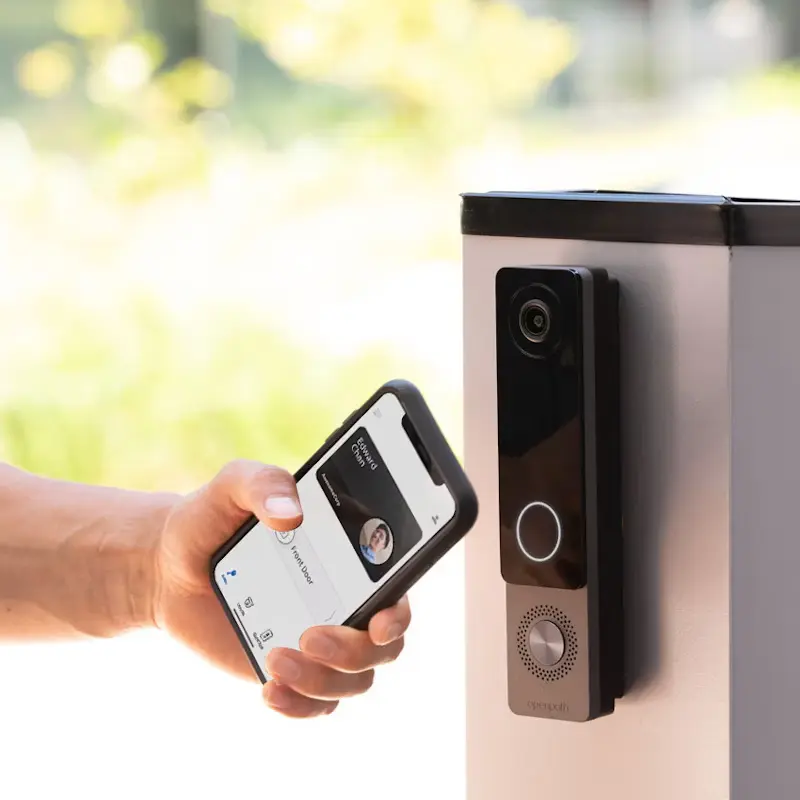
- access control
- low-voltage pathways
- telecom rooms or power conditions
- renovation sequencing
- facility shutdown windows
- network communication paths where they are part of the design
This does not mean every fire alarm project becomes a giant integrated technology job. It does mean that isolated planning can create field conflicts.
What a good proposal should include
A useful proposal should do more than list equipment quantities.
Facility managers should expect clarity around:
- what problem the project is solving
- what assumptions were made
- whether the scope is phased or full replacement
- how disruption will be managed
- what testing and closeout will include
- what documentation will be delivered
- what ongoing support looks like
The better the scoping, the fewer surprises show up mid-project.
How to think about phased upgrades
Not every building can or should replace everything at once.
A phased plan can make sense when:
- the facility is occupied and difficult to shut down
- only part of the system is truly at risk
- budget timing requires prioritization
- renovation work will occur in stages
- some areas are being expanded later
But phased work only helps if it follows a real roadmap. If each year becomes another isolated patch, the building never really gets more supportable.
Questions facility managers should ask before approving the project
- What specific risk is driving the upgrade?
- Is the current system unsupported, noncompliant, unreliable, or simply old?
- What code and AHJ considerations apply to this building now?
- Can the work be phased safely and logically?
- How will occupants and operations be affected during installation and testing?
- What documentation will be delivered at closeout?
- Who will support the system after the upgrade?
- How will future renovations or additions be handled?
Those questions help shift the conversation from product shopping to risk management.
Why support after installation matters
Even a well-designed upgrade can underperform if long-term support is not clear.
Post-project support should cover:
- inspection and testing expectations
- service response process
- device and panel documentation
- change management
- contact paths for urgent issues
- guidance on expansions or modifications
That is why a provider’s service model matters, not just their installation capability.
Where Tolleson fits into this kind of planning
Facility teams often need more than a quick replacement quote. They need help understanding what the building has, what the real risks are, and how to plan the next move with minimal disruption.
Tolleson’s Fire & Life Safety work, together with its infrastructure and consultation capabilities, is relevant in that stage because life safety decisions often affect operations, pathways, and related building systems. A thoughtful consultation can help determine whether the right next step is assessment, phased modernization, or a larger coordinated upgrade.
The best time to plan is before the system forces the issue
Life safety upgrades are easiest to manage when the building still has options.
Once failure, inspection pressure, or a major project deadline forces the issue, decision makers usually have less flexibility and more risk. Facility managers who review system health early, document what they have, and plan upgrades intentionally are in a much better position to protect both occupants and operations.
That is the real goal. Not just a newer panel, but a more reliable and supportable life safety environment.
Frequently Asked Questions
When should a facility plan a fire and life safety upgrade?
Usually when the current system is aging, unsupported, difficult to service, producing recurring issues, affected by renovations, or raising compliance concerns.
What standards are commonly involved in life safety upgrade planning?
Projects often involve NFPA 72 for fire alarm and signaling systems and NFPA 101 for life safety and egress considerations, along with locally adopted code requirements and AHJ review.
Is a fire alarm panel replacement enough by itself?
Not always. A project may also need device review, pathway evaluation, documentation cleanup, communication path updates, or phased modernization planning.
Can life safety upgrades be phased?
Yes, in many facilities. Phasing can work well when it follows a clear roadmap and does not create new compliance or operational gaps.
What should a facility manager ask for in a proposal?
Clear scope, code assumptions, disruption planning, testing expectations, closeout documentation, and a defined post-installation support model.