Access control systems play a critical role in how commercial facilities manage security, safety, and daily operations. As buildings become more complex and organizations grow across multiple locations, controlling who can access specific areas is no longer something that can be handled with keys or manual processes.
Access control systems for commercial facilities provide centralized control, visibility, and accountability. When designed properly, they help reduce risk, support compliance, and align security with operational workflows rather than disrupting them.
Why Access Control Is Essential in Commercial Environments
Commercial facilities include a wide range of spaces with different security requirements. Offices, production areas, server rooms, storage zones, and public entry points all require varying levels of access.
Without a structured access control system, organizations face challenges such as lost keys, unauthorized access, limited visibility into activity, and inconsistent enforcement of security policies. These gaps create risk for both people and assets.
Modern access control systems address these challenges by allowing facility teams to manage credentials, permissions, and entry points from a centralized platform. This ensures access policies are applied consistently across the entire facility.
Key benefits include:
- Controlled access to sensitive areas
- Reduced reliance on physical keys
- Clear audit trails for investigations and compliance
- Faster response to security incidents
- Improved accountability across teams
For facilities operating multiple shifts or managing contractors and visitors, access control provides structure and reliability that manual methods cannot match.
Core Components of an Access Control System
Understanding the basic components of an access control system helps facility managers plan effectively and avoid unnecessary limitations later.
Credentials and Identity Management
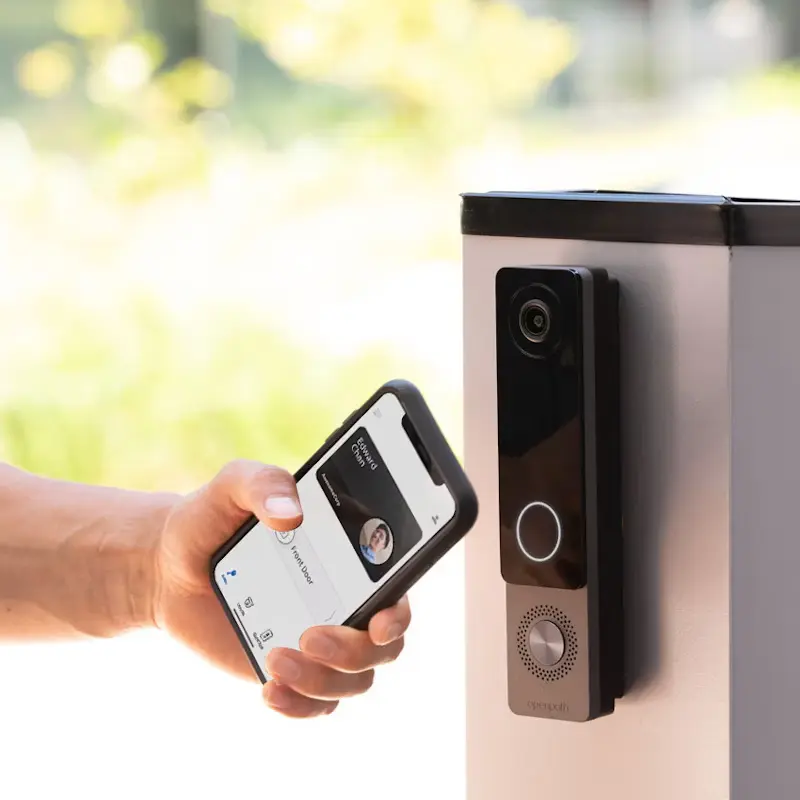
Credentials are used to verify a person’s identity at an entry point. Common credential types include keycards, fobs, mobile credentials, PIN codes, and biometric identifiers.
Commercial facilities often use a combination of credential types depending on security requirements, user convenience, and operational needs. Flexible credential management allows organizations to quickly add, modify, or revoke access without changing physical hardware.
Readers and Entry Devices
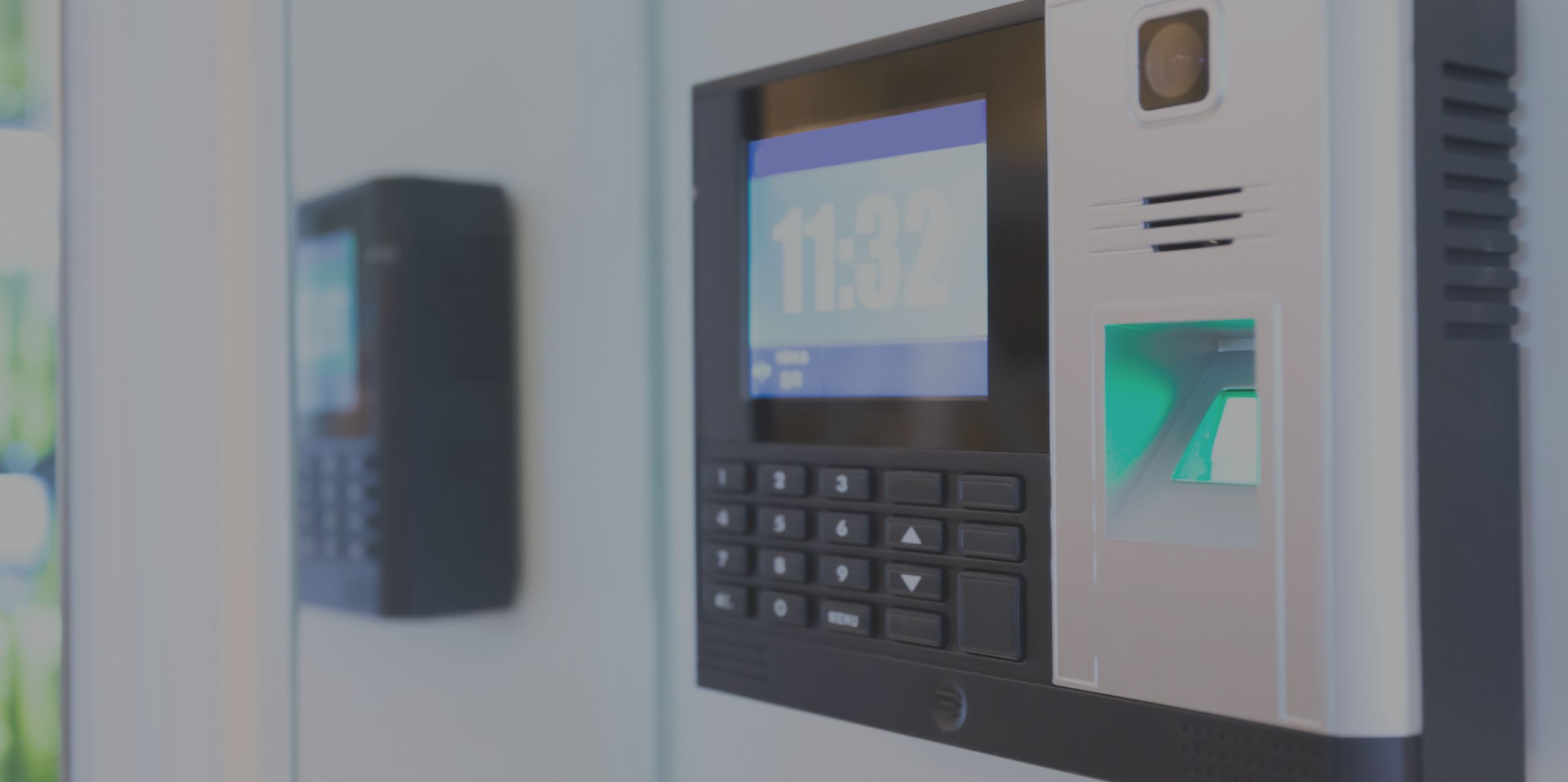
Readers authenticate credentials at doors, gates, and controlled access points. Reader selection depends on traffic volume, environmental conditions, and integration requirements.
Reliable readers are especially important in high-use commercial environments where downtime or access failures can disrupt operations.
Control Panels and Management Software
Control panels enforce access rules and communicate with readers and locks. Management software provides administrators with the ability to assign permissions, monitor activity, and generate reports.
Centralized software is critical for larger facilities and organizations managing multiple locations.
Door Hardware and Locking Devices
Electronic locks and door hardware must be compatible with the access control platform and meet safety requirements. Proper hardware selection ensures consistent operation and supports safe egress during emergencies.
Planning Access Control for Commercial Facilities
Access control systems are most effective when planned carefully. Facilities that skip planning often encounter gaps that require rework or limit future growth.
Assessing Facility Layout and Risk Areas
Each facility has unique access requirements. Entry points, interior zones, and high-risk areas should be evaluated individually.
Planning should consider:
- Public versus restricted areas
- Employee-only zones
- Equipment rooms and data spaces
- After-hours access needs
- Visitor and contractor workflows
Mapping these areas helps define access levels and determine system scope.
Aligning Security with Daily Operations
Access control should support daily operations rather than slow them down. Facilities with rotating staff, multiple shifts, or frequent visitors need systems that allow permissions to be updated quickly.
Effective systems reduce administrative overhead while maintaining security standards.
Supporting Compliance and Internal Policies
Many industries require controlled access to specific areas. Access control systems support compliance by enforcing policies and documenting access activity.
Access logs and reports are valuable during audits, inspections, and incident investigations.
Integrating Access Control with Other Systems
Access control systems do not operate in isolation. Integration with other facility technologies strengthens security and improves response capabilities.
Video Surveillance Integration
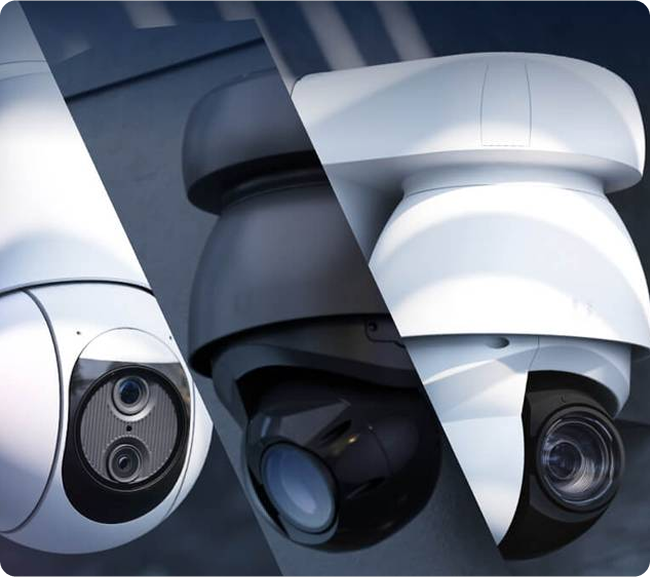
Integrating access control with video surveillance systems allows access events to be reviewed alongside video footage. This provides context during investigations and improves incident response accuracy.
Fire and Life Safety Coordination
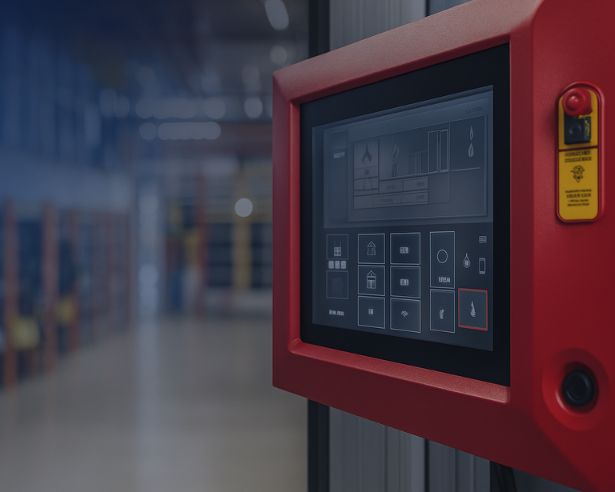
Access control systems must coordinate with fire and life safety systems. Doors must unlock appropriately during emergencies to allow safe egress.
Proper integration ensures safety requirements are met without compromising access control objectives.
Network and IT Infrastructure Considerations
Modern access control systems rely on secure and reliable connectivity. Facilities must ensure their network infrastructure can support system traffic, security, and long-term scalability.
Managing Access Across Multiple Locations
Organizations with multiple facilities often struggle with inconsistent access policies and fragmented systems. Centralized access control management simplifies administration and improves consistency.
Benefits include:
- Unified credential management
- Standardized access policies across locations
- Centralized reporting and visibility
- Reduced administrative workload
Scalable platforms allow organizations to expand without redesigning access control systems at each site.
Common Challenges in Access Control Deployments
Even well-planned projects can encounter challenges if they are not addressed early.
Legacy Infrastructure Constraints
Older facilities may have door hardware or cabling that limits system options. Identifying these constraints early helps prevent delays and unexpected costs.
User Training and Adoption
Employees must understand how to use access control systems correctly. Clear communication and training reduce misuse and support smoother adoption.
Ongoing Support and Maintenance
Access control systems require ongoing updates, testing, and support. Facilities should plan for long-term maintenance rather than treating installation as a one-time project.
Choosing the Right Access Control Partner
Selecting the right partner is critical to long-term success. Commercial facilities should work with providers who understand complex environments and system integration.
Key considerations include:
- Experience with commercial and industrial facilities
- Ability to integrate access control with existing systems
- Scalable solutions that support future growth
- Clear documentation and reporting practices
- Long-term service and support capabilities
A knowledgeable partner helps ensure access control systems remain reliable as facilities evolve.
Supporting Secure Growth Over Time
Access control systems should be designed with growth in mind. Facilities change through expansion, reconfiguration, and staffing adjustments.
Flexible platforms allow organizations to adapt without replacing existing infrastructure. This protects investments and supports long-term planning.
Access Control Solutions from Tolleson Inc.
Access control systems for commercial facilities form the foundation of a reliable security strategy. When designed and implemented correctly, they protect people, assets, and daily operations while supporting compliance and growth.
Tolleson Inc. designs and installs access control systems for commercial and industrial facilities across Tennessee and nationwide. Our team delivers secure, scalable solutions that integrate with video, network, and life safety systems to support dependable operations.