As businesses grow beyond a single location, managing security becomes significantly more complex. Multiple buildings, different teams, varying schedules, and inconsistent processes can create gaps that increase risk.
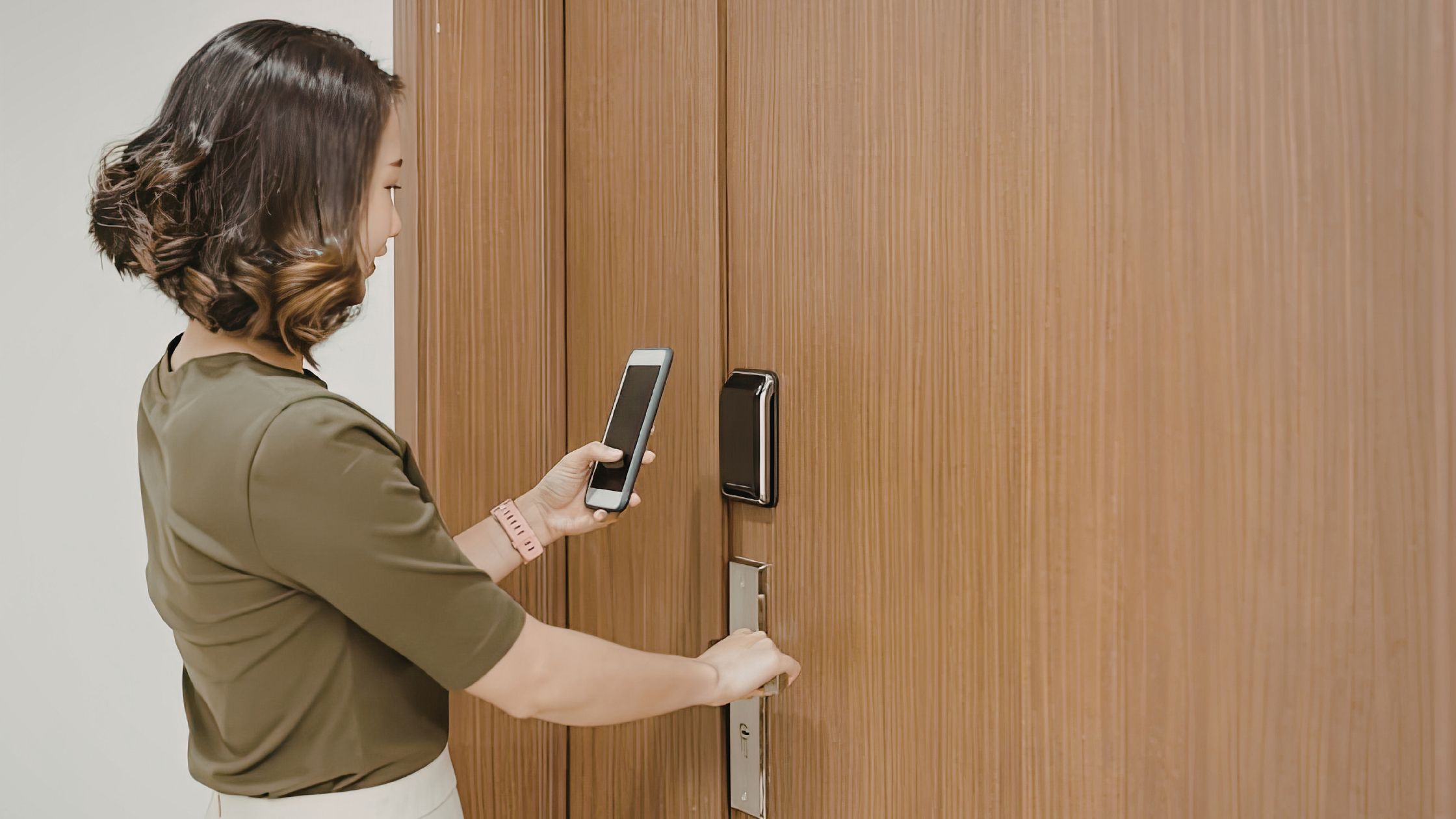
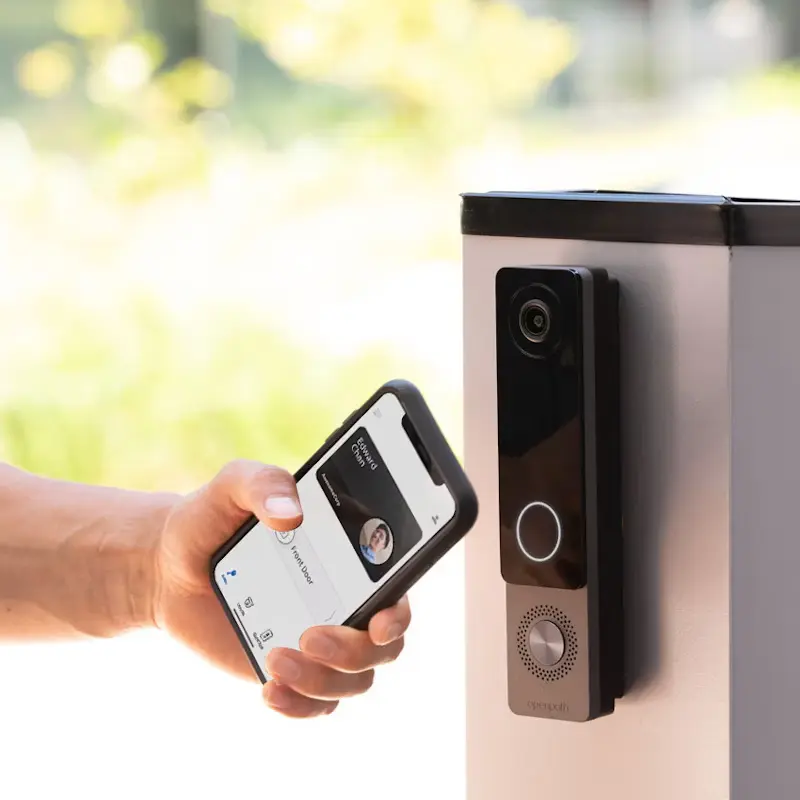
Access control systems for multi-location businesses provide centralized control, improved visibility, and stronger accountability across every facility. Instead of relying on keys, manual tracking, or disconnected systems, organizations can manage access from one unified platform.
This approach aligns with the broader move toward integrated security and IT systems, where physical security and technology infrastructure work together.
Why Multi-Location Businesses Need Centralized Access Control
Managing access across multiple sites without a centralized system often leads to inconsistencies and security vulnerabilities.
Common challenges include:
- Former employees still having access
- Lost or duplicated keys
- No visibility into who accessed which location
- Delayed response to security incidents
- Difficulty managing vendor or contractor access
Centralized access control eliminates these issues by giving administrators full visibility and control across all locations from a single dashboard.
Key Benefits of Access Control for Multi-Site Operations
Centralized User Management
Administrators can add, remove, or update user permissions across all facilities instantly. This ensures consistent security policies and reduces administrative overhead.
Real Time Access Visibility
Every access event is logged and accessible in real time. This improves accountability and supports investigations when needed, reinforcing how access control improves accountability across organizations.
Remote Access Management
Security teams can control doors, grant temporary access, or respond to issues from anywhere, making it easier to manage distributed operations.
Improved Security and Compliance
Access control systems help businesses meet compliance requirements by maintaining accurate access logs and enforcing role-based permissions.
Integrating Access Control with Other Security Systems
Access control systems are most effective when integrated with other technologies.
- Camera systems can verify access events
- Remote monitoring teams can respond to alerts
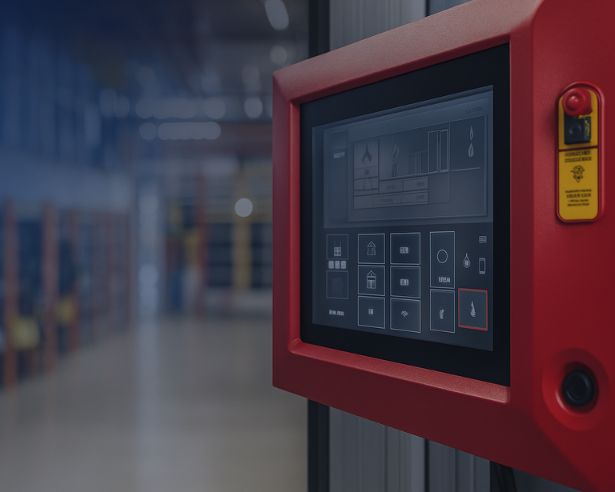
- Fire and life safety systems can trigger automatic unlocks during emergencies
- Network infrastructure ensures system reliability
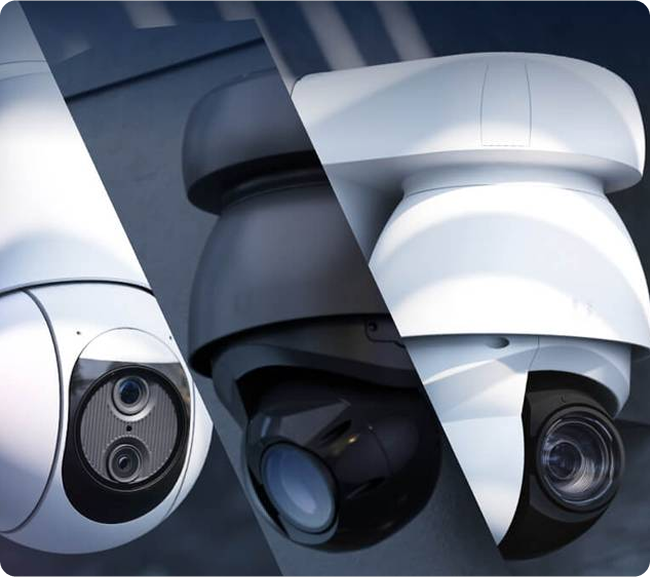
For example, combining access control with IP camera systems for commercial facilities provides visual confirmation of every entry event.
When paired with remote monitoring for commercial security, businesses gain real time oversight across all locations.
Challenges Without a Unified System
Businesses that rely on outdated or disconnected systems often face:
- Inconsistent security policies between locations
- Increased risk of unauthorized access
- Limited ability to investigate incidents
- Higher administrative workload
- Scalability issues as the business grows
These challenges become more costly over time, especially when expanding operations.
The Role of Network Infrastructure in Access Control
Access control systems depend on reliable network performance. Without a strong foundation, systems may experience delays, outages, or security vulnerabilities.
This is why understanding the hidden cost of poor network infrastructure is critical when planning multi-site deployments.
Proper planning ensures that access control systems remain responsive, secure, and scalable.
Planning for Growth and Scalability
Multi-location businesses must plan for future expansion. A well-designed access control system should allow for easy onboarding of new facilities without requiring major system changes.
Key considerations include:
- Cloud-based or hybrid system architecture
- Standardized hardware and software
- Centralized reporting and analytics
- Integration with other business systems
Planning ahead ensures long term efficiency and cost savings.
How Tolleson Inc Supports Multi-Location Security
Tolleson Inc works with commercial and industrial clients to design and implement access control systems that scale with business growth. Each system is tailored to the organization’s structure, risk profile, and operational needs.
By combining access control with network infrastructure, camera systems, and monitoring solutions, Tolleson Inc delivers fully integrated environments that improve both security and efficiency.
If your business is expanding or managing multiple facilities, you can schedule a consultation to explore a centralized access control strategy.