For many businesses, traditional keys have been the standard for decades. They are simple, familiar, and easy to distribute. However, as companies grow and security risks increase, keys often create more problems than they solve.
Access control systems provide a modern alternative, offering greater control, visibility, and flexibility. Understanding the difference between access control vs traditional keys can help businesses make better security decisions.
This shift is part of a broader move toward integrated security and IT systems, where physical access is managed alongside digital infrastructure.
How Traditional Keys Work
Traditional keys rely on physical locks and metal keys to control access. While simple, this approach has limitations.
- Keys can be lost or stolen
- Duplicates can be made without authorization
- Locks must be changed if security is compromised
- No record of who entered or when
For small, low-risk environments, keys may still be sufficient. For growing businesses, they quickly become difficult to manage.
How Access Control Systems Work
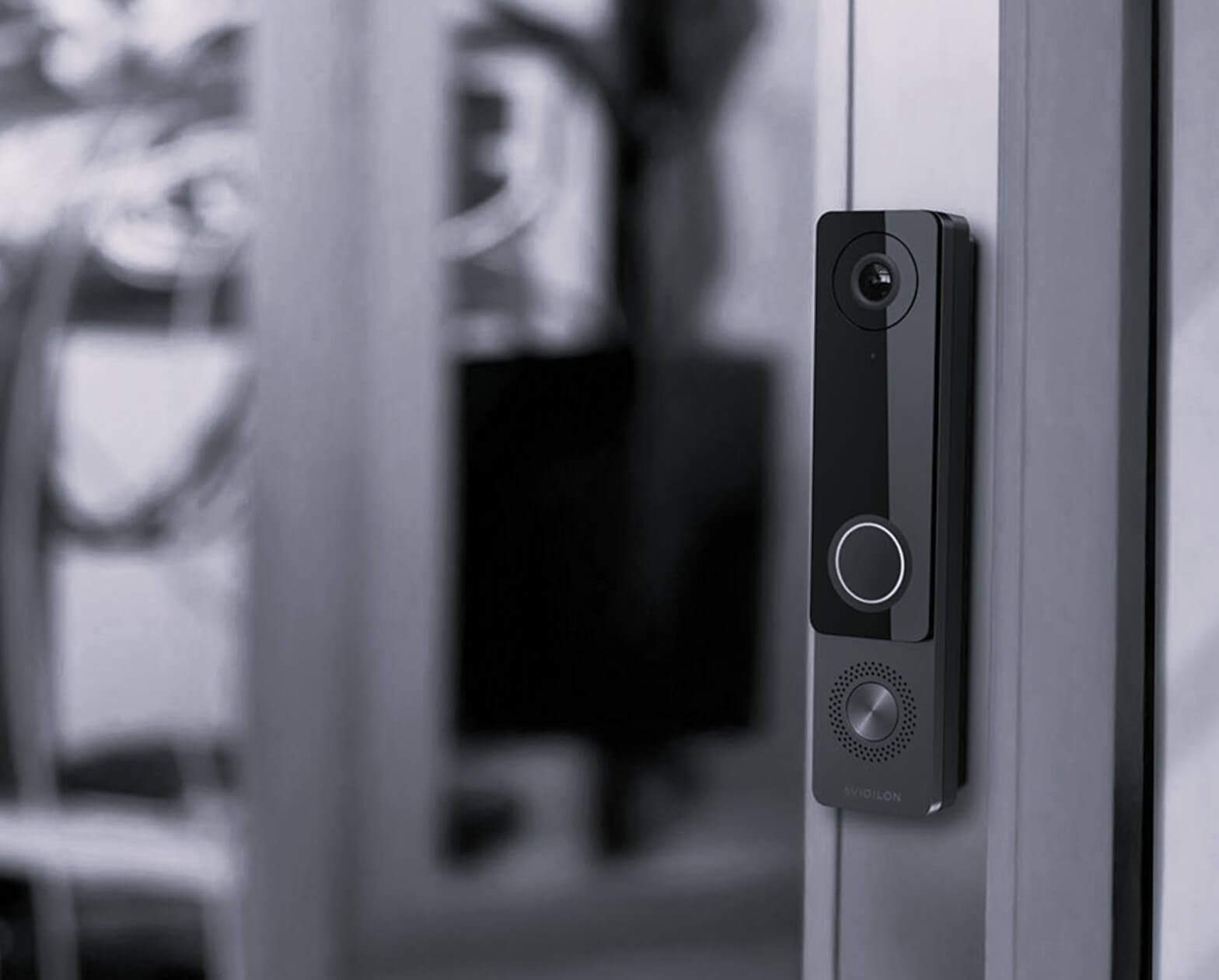
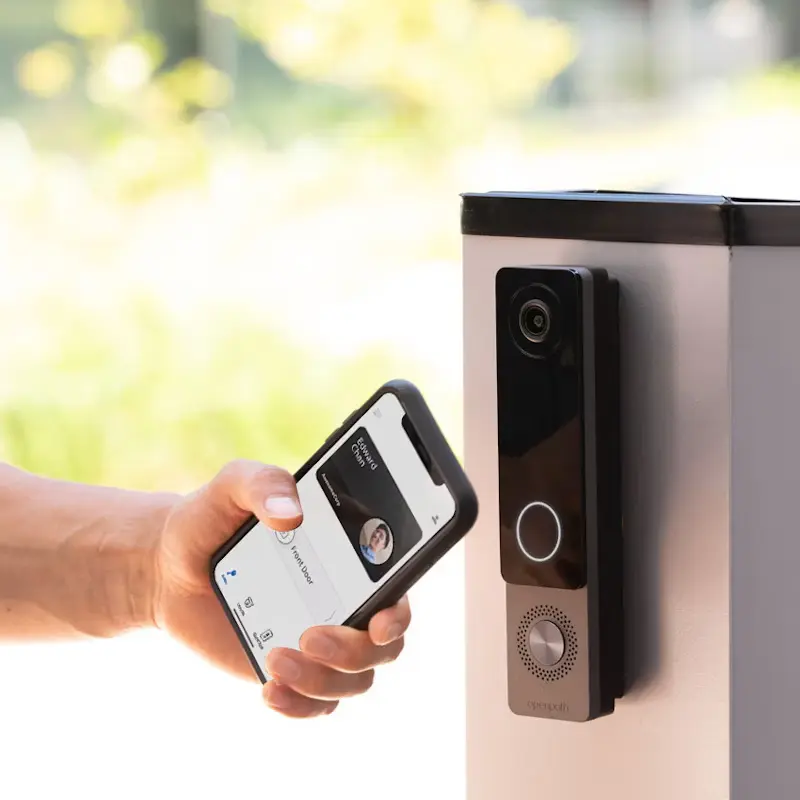
Access control systems replace physical keys with digital credentials such as keycards, mobile access, or PIN codes. These systems are managed through software, allowing administrators to control access in real time.
With modern access control systems, businesses can:
- Grant or revoke access instantly
- Set schedules for when doors can be accessed
- Track entry activity across locations
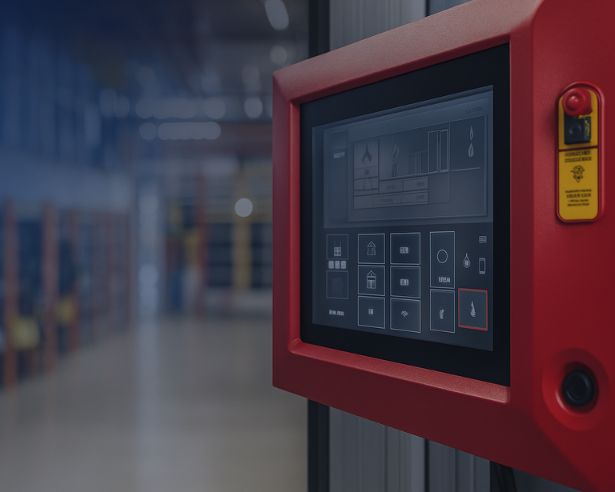
- Manage users from a central dashboard
This level of control is especially valuable for organizations with multiple employees or locations.
Security Comparison: Keys vs Access Control
Risk of Loss or Theft
Keys can easily be lost or stolen, creating immediate security risks. Access control systems eliminate this issue by allowing credentials to be disabled instantly.
Accountability
Keys provide no tracking. Access control systems log every entry, supporting investigations and reinforcing how access control improves accountability.
Scalability
Keys become difficult to manage as businesses grow. Access control systems scale easily across departments and locations.
Response Time
With keys, responding to a security issue often requires physically changing locks. Access control systems allow immediate action from anywhere.
Operational Advantages of Access Control
Beyond security, access control systems improve daily operations.
- Reduced administrative workload
- Centralized management of users and permissions
- Integration with other systems such as cameras and monitoring
- Improved efficiency across teams
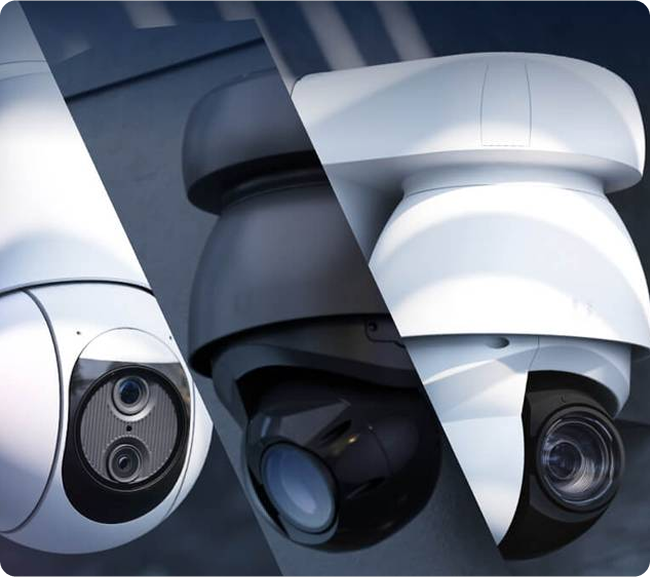
When combined with commercial camera systems, businesses gain both visibility and control over their facilities.
Cost Considerations
Traditional keys have a lower upfront cost but often lead to higher long-term expenses due to lock replacements, rekeying, and security risks.
Access control systems require an initial investment but provide long-term savings through improved efficiency and reduced risk. For a deeper breakdown, businesses can review commercial security system cost factors.
When Keys Still Make Sense
In some situations, traditional keys may still be appropriate.
- Very small businesses with limited staff
- Low-security storage areas
- Backup access for emergencies
Even in these cases, many businesses are moving toward hybrid systems that combine both approaches.
Why Businesses Are Moving Away from Keys
As security needs increase, businesses are looking for solutions that provide better control and flexibility.
Access control systems support:
- Multi-location management
- Real-time monitoring and response
- Integration with broader security systems
- Improved compliance and reporting
This makes them a better fit for modern commercial environments.
How Tolleson Inc Helps Businesses Upgrade Security
Tolleson Inc works with commercial clients to replace outdated key systems with modern access control solutions. Each system is designed to match the organization’s size, structure, and security needs.
By integrating access control with network infrastructure and monitoring systems, businesses gain a more secure and efficient environment.
If you are considering upgrading from keys to a modern system, you can schedule a consultation to explore the best solution for your facility.
Choosing the Right Solution for Your Business
Access control systems offer clear advantages in security, scalability, and efficiency. While traditional keys may still work in limited situations, they are no longer the best option for most growing businesses.
Organizations that invest in modern access solutions gain better control over their facilities and reduce long-term risk.