Fire alarm monitoring for industrial facilities provides 24/7 protection, compliance support, and rapid emergency response for life safety and critical operations. Production schedules, safety requirements, compliance obligations, and uptime expectations leave little room for error. When it comes to fire alarm systems, reliable monitoring is not optional. It is a critical component of life safety, risk management, and operational continuity.
Fire alarm monitoring for industrial facilities goes far beyond installing detection devices and hoping they never activate. True 24/7 fire alarm monitoring involves continuous oversight, rapid response, system reliability, and seamless integration with existing infrastructure. Understanding what that coverage actually means helps facility leaders make informed decisions that protect people, assets, and operations.
Why Fire Alarm Monitoring Is Critical in Industrial Environments
Manufacturing plants, warehouses, production floors, and distribution centers present unique fire risks. Large equipment, electrical loads, combustible materials, and complex layouts increase both the likelihood and potential impact of a fire event.
Unlike smaller commercial buildings, industrial facilities often operate around the clock. Fires that occur during off-hours or overnight shifts can escalate quickly without immediate detection and response. Fire alarm monitoring ensures that alerts are not only triggered but acted upon without delay, regardless of time or staffing levels on site.
Effective monitoring supports several critical objectives:
- Rapid emergency response to protect life and property
- Compliance with NFPA standards and local AHJ requirements
- Reduced downtime and operational disruption
- Improved coordination between facility teams and emergency responders
- Clear documentation for inspections, audits, and insurance reviews
Without professional monitoring, even the most advanced fire alarm system can fail to deliver the protection it was designed to provide.
How Fire Alarm Monitoring Actually Works
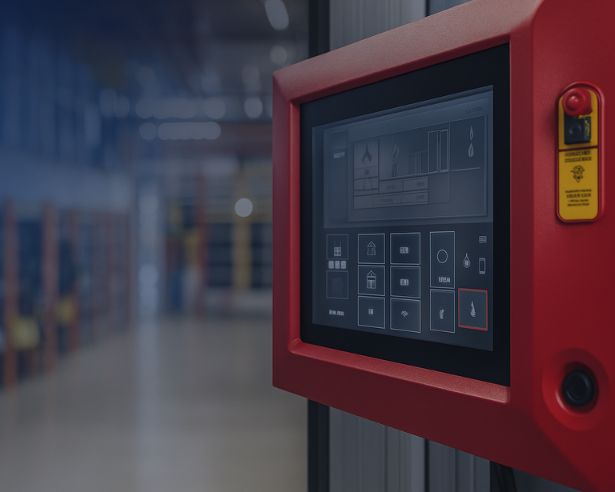
Fire alarm monitoring connects your facility’s fire alarm control panel to a professional monitoring center that operates 24 hours a day, 365 days a year. When an event occurs, the system immediately transmits a signal through secure communication paths to trained operators who initiate predefined response procedures.
Monitoring systems typically handle three primary signal types:
Fire Alarm Signals
These signals indicate an active fire condition such as smoke detection, heat detection, or manual pull station activation. Fire signals require immediate verification and dispatch of emergency responders.
Supervisory Signals
Supervisory signals indicate abnormal conditions that could affect system performance. Examples include valve tampering, sprinkler system impairments, or changes in pressure. These alerts allow facilities to correct issues before protection is compromised.
Trouble Signals
Trouble signals identify faults within the fire alarm system such as wiring issues, device failures, power loss, or communication disruptions. While not emergencies, they require prompt attention to maintain system reliability.
A professional monitoring provider ensures that each signal type is handled appropriately, documented accurately, and communicated clearly to designated contacts and responders.
Redundancy and Reliability Matter
Industrial fire alarm monitoring must account for worst-case scenarios. Power outages, network failures, and communication disruptions cannot be allowed to silence life safety systems.
Reliable monitoring platforms use redundant communication paths such as cellular, IP, and backup power sources. If one path fails, another continues transmitting signals without interruption. This redundancy is essential in industrial environments where a single point of failure can lead to catastrophic consequences.
Facilities should never rely on a single communication method or assume internal systems alone can provide adequate coverage.
Integration with Existing Fire Alarm Infrastructure
Most industrial facilities already have fire alarm systems in place. Monitoring does not require starting from scratch.
Professional providers work with all major fire alarm control panels and manufacturers. A proper takeover process includes verifying system programming, testing communication paths, reviewing device configurations, and ensuring documentation is accurate and current.
Integration also extends beyond the fire alarm panel itself. In many environments, fire systems must coordinate with:
- Access control systems
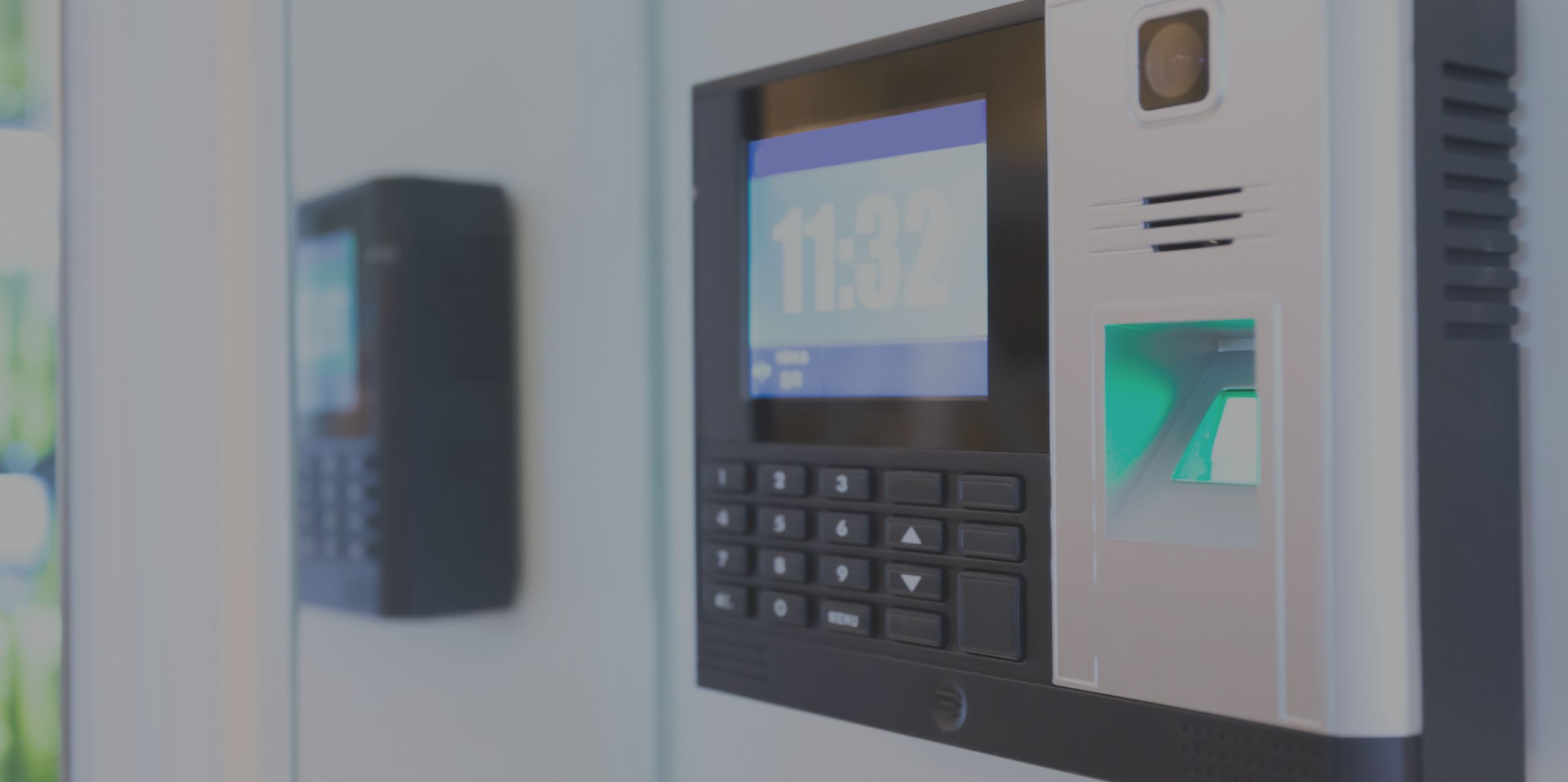
- Security monitoring platforms
- Mass notification systems
- Building management systems
- Emergency power systems
Seamless integration ensures that alarms trigger appropriate responses across the entire facility, not just at the control panel.
Supporting Compliance and Inspections
Fire alarm monitoring plays a critical role in maintaining compliance with fire codes, insurance requirements, and internal safety policies. Monitoring records provide a documented history of alarms, supervisory events, troubles, and corrective actions.
This documentation is essential during:
- Annual fire inspections
- Insurance audits
- Safety reviews
- Incident investigations
Facilities that cannot produce accurate monitoring records may face citations, fines, increased insurance premiums, or operational delays.
A monitoring partner that understands industrial compliance requirements helps facilities stay prepared and avoid costly surprises.
Lifecycle Support Beyond Monitoring
Fire alarm monitoring is only one part of a comprehensive life safety strategy. Industrial facilities require ongoing support throughout the system lifecycle.
This includes:
- Regular inspections and testing
- Device maintenance and replacement
- Panel programming and updates
- System expansions and upgrades
- Accurate drawings and documentation
Monitoring providers that offer full lifecycle support help facilities maintain consistency, reliability, and accountability. This approach reduces gaps between installation, monitoring, and maintenance responsibilities.
Common Challenges in Industrial Fire Alarm Monitoring
Many facilities encounter issues that reduce the effectiveness of their monitoring programs. Common challenges include:
- Outdated panels that lack modern communication capabilities
- Incomplete documentation after system modifications
- Frequent nuisance alarms due to improper device placement
- Monitoring providers unfamiliar with industrial environments
- Lack of coordination between fire, security, and IT systems
Addressing these challenges requires experience, planning, and a deep understanding of how industrial facilities operate.
Choosing the Right Fire Alarm Monitoring Partner
Not all monitoring providers are equipped to support industrial and mission-critical environments. Selecting the right partner involves more than comparing costs.
Facilities should look for providers that offer:
- Experience with industrial and large commercial facilities
- Nationwide monitoring capabilities
- Support for all major fire alarm systems
- Redundant communication and power infrastructure
- Clear response procedures and reporting
- Long-term system lifecycle support
A monitoring partner should function as an extension of your facility team, not just a third-party vendor.
Nationwide Support with Local Expertise
Industrial operations often span multiple locations across different regions. Consistent fire alarm monitoring and support across all facilities simplifies compliance, reporting, and system management.
Providers that deliver nationwide services while maintaining regional expertise offer the best of both worlds. Facilities benefit from standardized processes, centralized reporting, and knowledgeable local support when needed.
This approach is especially valuable for organizations expanding operations, consolidating vendors, or upgrading life safety systems across multiple sites.
Protecting People, Assets, and Operations
At its core, fire alarm monitoring exists to protect lives. In industrial environments, it also protects livelihoods, equipment investments, and operational continuity.
Effective monitoring ensures that alarms are never missed, responses are immediate, and systems remain reliable under all conditions. It provides confidence that safety measures will perform as intended when it matters most.
Facilities that invest in professional monitoring reduce risk, strengthen compliance, and support long-term operational success.
Tolleson Inc. delivers professional fire alarm monitoring and life safety support for industrial and commercial facilities across Tennessee and nationwide. Our approach focuses on reliability, compliance, and seamless integration to help protect people, assets, and operations without disrupting workflow.