Security risks in commercial facilities are not limited to external threats. Many of the most costly incidents stem from internal issues such as unauthorized access, credential misuse, lack of oversight, and poor documentation. As facilities grow larger and more complex, managing who can enter specific areas becomes a matter of accountability as much as security.
Access control systems provide structure where manual processes fall short. When implemented correctly, they reduce internal risk, improve visibility, and give facility managers the tools needed to enforce policies consistently across the organization.
Internal Risk Is Often Overlooked
When organizations think about security, they often focus on preventing break-ins or external intrusion. Internal risk tends to receive less attention even though it can be more difficult to detect and manage.
Common internal risks include:
• Employees accessing areas outside their role
• Shared credentials or propped doors
• Contractors retaining access after projects end
• Limited visibility into who entered restricted areas
• Inconsistent enforcement of access policies
Without a system that records and controls access, these risks are difficult to address.
Accountability Starts With Clear Access Rules
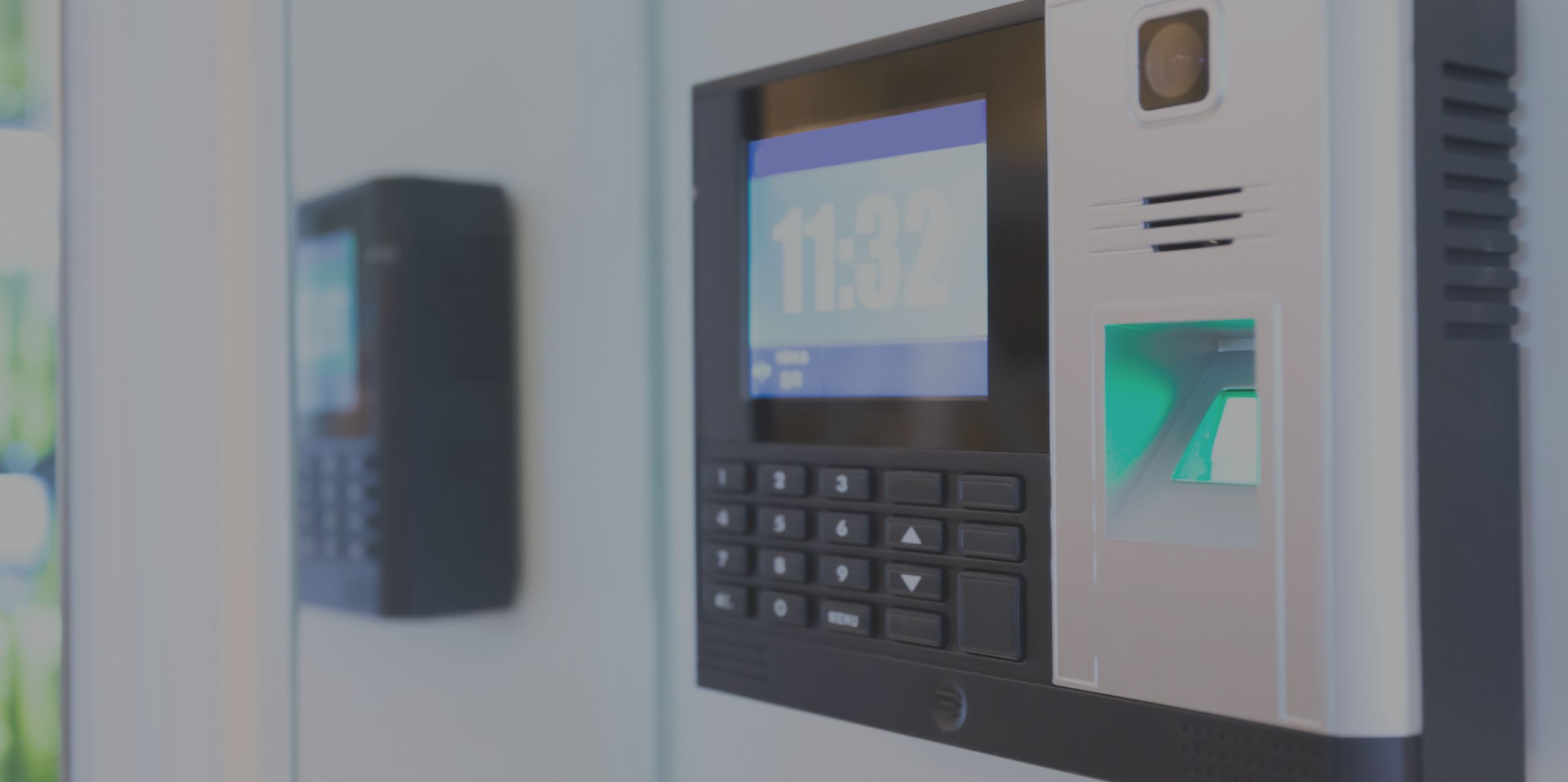
Accountability requires clarity. Access control systems allow facilities to define who can access specific doors, areas, and systems based on role, schedule, and authorization level.
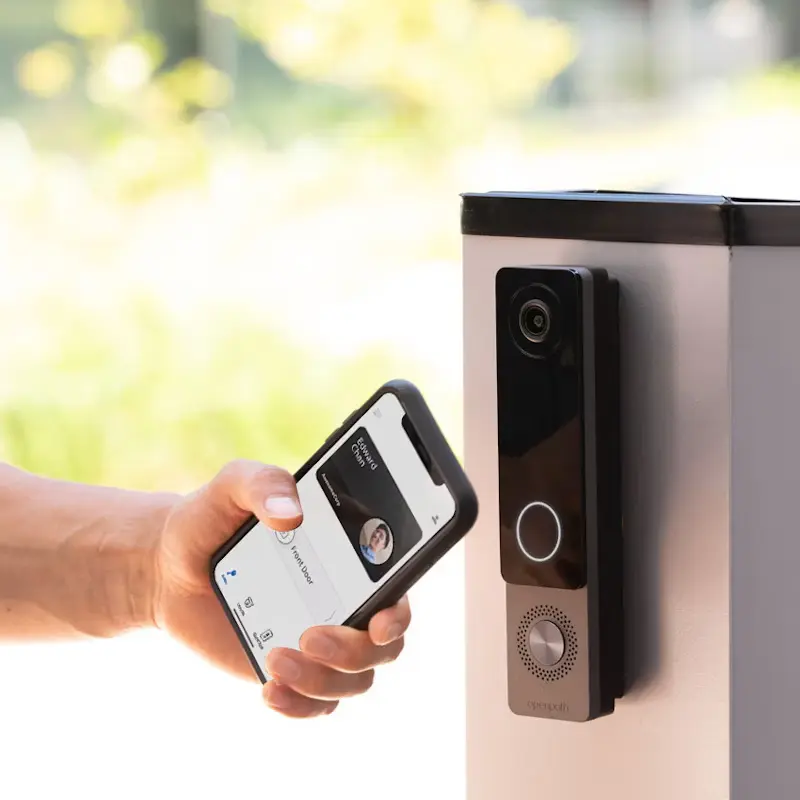
Instead of relying on keys that can be copied or lost, access control platforms assign permissions digitally. Changes can be made instantly and documented automatically.
This clarity supports:
• Role based access assignments
• Time restricted access for staff and vendors
• Immediate removal of access when roles change
• Consistent enforcement across departments
Clear rules reduce ambiguity and improve compliance.
Access Logs Provide Visibility and Evidence
One of the most valuable aspects of access control systems is the ability to track activity. Access logs show when doors are opened, who accessed them, and whether attempts were successful or denied.
This visibility helps facilities:
• Investigate incidents quickly
• Resolve disputes with objective data
• Identify unusual access patterns
• Support audits and compliance reviews
• Improve policy enforcement
Without access logs, investigations often rely on assumptions rather than facts.
Reducing Risk Through Integration
Access control systems are most effective when integrated with other facility technologies.
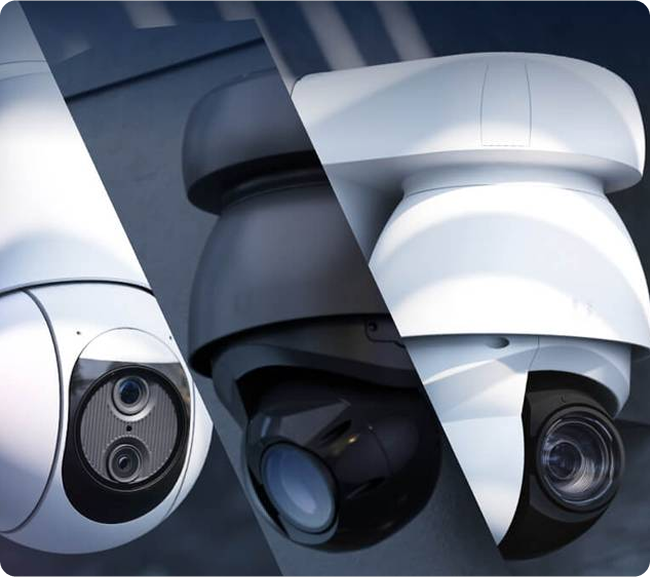
When access events are connected to video surveillance, security teams can verify activity visually. When integrated with network and IT systems, credential management becomes more secure and easier to audit.
Integration allows facilities to respond to issues faster and reduces the likelihood that unauthorized activity goes unnoticed.
Managing Contractors and Temporary Access
Contractors, vendors, and temporary staff present unique challenges. They often require access to specific areas for limited periods.
Access control systems allow facilities to:
• Assign temporary credentials
• Restrict access to specific doors or zones
• Automatically expire access after a set date
• Maintain records of all access activity
This approach reduces risk while supporting operational needs.
Supporting Compliance and Policy Enforcement
Many industries require controlled access to sensitive areas. Access control systems help facilities enforce internal policies and demonstrate compliance during inspections or audits.
Digital records provide proof that access policies are defined, enforced, and monitored. This documentation can be critical when addressing regulatory requirements or insurance inquiries.
Improving Operational Efficiency
Beyond security, access control systems improve daily operations. Facilities spend less time managing keys, rekeying locks, and manually tracking access changes.
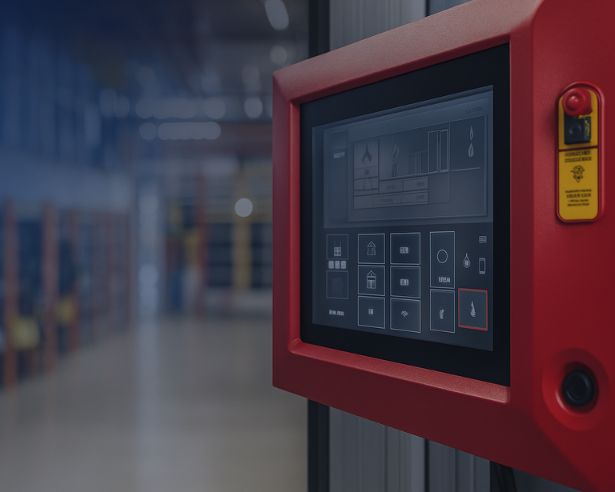
Centralized systems allow updates to be made quickly and accurately. This efficiency reduces administrative burden and improves response time.
Scaling Access Control as Facilities Grow
Facilities change over time. New departments, expanded buildings, and changing workflows all affect access needs.
Scalable access control platforms support growth without requiring system replacement. New doors, users, and locations can be added while maintaining centralized oversight.
This scalability protects investments and supports long term planning.
Why Facilities Are Prioritizing Access Control
Access control is no longer viewed as a basic security measure. It is a foundational system that supports accountability, compliance, and risk management.
Facilities that rely on manual or outdated access methods face higher risk and lower visibility. Modern access control systems provide the structure needed to manage people, spaces, and policies effectively.
Access Control Solutions From Tolleson Inc.
Tolleson Inc designs and installs access control systems for commercial and industrial facilities nationwide. Our solutions help organizations reduce internal risk, improve accountability, and maintain consistent access policies across their operations.
Facilities seeking greater visibility and control benefit from access control platforms that are reliable, scalable, and aligned with operational goals.