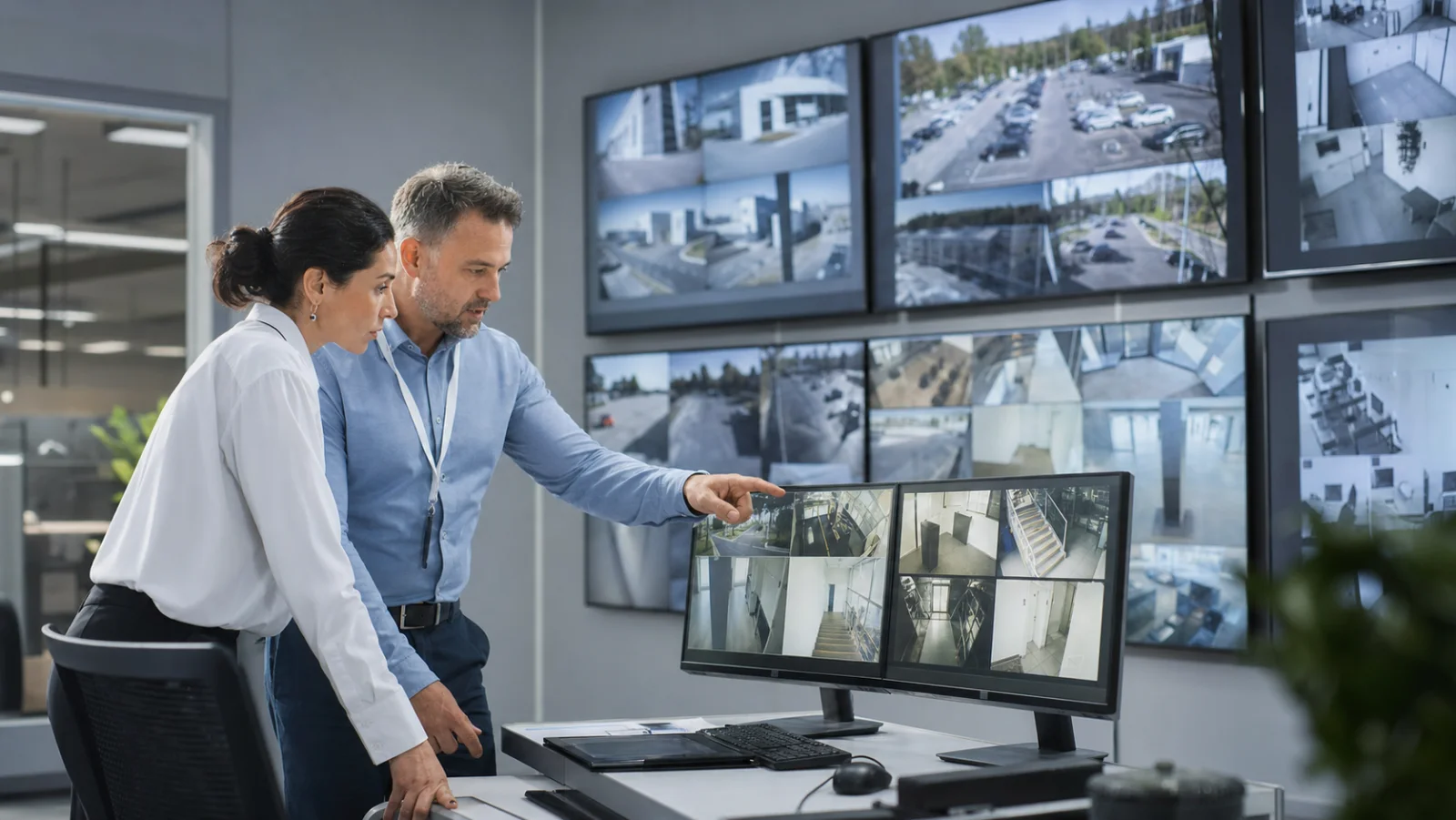
When a business installs a camera system, one of the first operational questions is also one of the most important: How long should we keep the footage?
There is no single retention period that fits every facility. A small office, a busy warehouse, a multifamily property, and a regulated operation all create different levels of risk and different volumes of video. The right answer comes from matching the system to the events the organization may need to investigate.
A useful retention plan should preserve evidence long enough for incidents to be discovered and reported while keeping storage costs, video quality, privacy, and system performance in balance.
Start with how incidents are discovered
Some incidents are noticed immediately. A forced door, visible theft, or safety event may be reported the same day. Other problems surface later through inventory reconciliation, resident complaints, HR reviews, vendor disputes, or damage discovered during an inspection.
That delay matters. If footage is automatically overwritten before the issue reaches the right person, the camera may have recorded the event without providing usable evidence.
Ask each department:
- What kinds of events might require video review?
- How quickly are those events normally reported?
- Who is responsible for requesting and exporting footage?
- Are weekends, holidays, billing cycles, or inventory cycles likely to delay discovery?
The retention window should cover the realistic reporting cycle, not just the ideal one.
What determines footage retention?
Camera count and recording schedule
More cameras create more data. Continuous recording also uses more storage than motion-based or event-based recording. High-traffic scenes may trigger motion almost constantly, so expected savings should be validated with real activity patterns.
Resolution, frame rate, and compression
Sharper video and higher frame rates can improve identification and event review, but they increase storage demand. The goal is not to maximize every setting. It is to preserve enough detail for the camera’s purpose.
A camera watching a wide parking area may need different settings than one focused on a controlled doorway. A professional IP camera system design treats each view as a specific evidence requirement.
Operational risk
Facilities with valuable inventory, public access, frequent deliveries, multiple shifts, or recurring liability concerns may benefit from longer retention. Low-risk areas may not require the same storage allocation.
Policies and contractual requirements
Insurance requirements, client contracts, internal policies, and industry-specific rules can affect retention. These requirements should be reviewed by the appropriate legal, compliance, or insurance professionals. A security integrator can then translate the approved policy into system settings and storage capacity.
Retention is not the same as archiving
Routine retention describes how long the recorder keeps normal footage before overwriting it. Archiving is the deliberate preservation of a specific incident.
Once an event is identified, authorized staff should export the relevant clips promptly. The export process should preserve the correct time range, camera views, playback software when needed, and a clear record of where the file was stored and who received it.
Do not assume normal retention will protect a marked event indefinitely. Document the export and evidence-handling process before an incident occurs.
Common retention mistakes
- Choosing a round number without checking how incidents are reported
- Reducing image quality so much that exported video is not useful
- Assuming motion recording always creates major storage savings
- Failing to account for new cameras added later
- Giving too many users permission to view or export video
- Keeping footage indefinitely without a clear business reason
- Never testing whether archived footage can be opened and reviewed
Build a retention plan by camera group
Not every camera needs the same policy. Group cameras by purpose, such as entrances, cash-handling areas, parking lots, loading zones, interior common areas, and restricted rooms. Then define the useful retention target and recording settings for each group.
This approach can protect the most important evidence while avoiding unnecessary storage everywhere else. It also creates a clearer roadmap for server capacity, cloud licensing, bandwidth, and future camera growth.
Questions to ask during a system review
- How many days of footage are available today?
- Does that number change during periods of heavy activity?
- Can the current system maintain the target at the desired image quality?
- Who can search, view, and export footage?
- Are the recorder time and camera time synchronized?
- Is storage health monitored?
- What happens when a drive fails or the network connection is interrupted?
Retention is only dependable when the entire recording path is healthy.
Plan storage around useful evidence
The best retention period is not the longest one a budget can buy. It is the window that supports real operational needs with clear access controls, dependable recording, and usable video quality.
Tolleson Inc. designs commercial camera systems for businesses, facilities, and multifamily properties in Nashville, Middle Tennessee, and nationwide. If you need to evaluate camera coverage, storage capacity, or video management, schedule a consultation to talk through the environment.