In many commercial buildings, the network grew by accumulation.
First there were workstations, printers, and internet access. Then VoIP. Then Wi-Fi upgrades. Then cameras. Then access control. Then video conferencing, digital signage, cloud-managed systems, and remote support tools. Each new layer solved a real need, but many buildings never paused to redesign the environment as one connected system.
That is how organizations end up with business IT, security, AV, and operational technology all sharing the same network in ways that are technically possible but operationally messy.
At some point, the environment becomes harder to troubleshoot, harder to secure, and easier to disrupt.
That is where segmentation matters.
Network segmentation for security systems is not just a cybersecurity talking point. It is a practical design strategy that improves reliability, supportability, and risk control when many connected systems share the same infrastructure.
What segmentation actually means
Segmentation is the practice of dividing network traffic into logical zones instead of letting every device live in one flat environment.
In a commercial building, that often means separating:
- business user traffic
- guest Wi-Fi
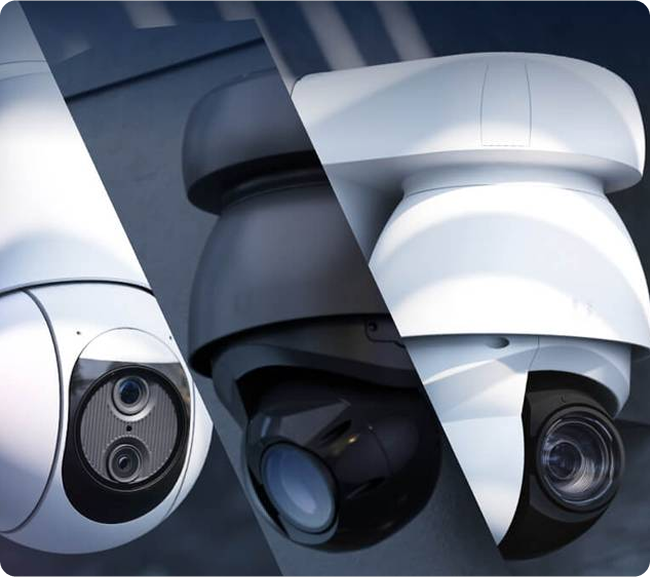
- IP camera systems
- access control
- AV or signage devices
- printers and IoT-type endpoints
- vendor access paths
The exact design can vary, but the purpose stays the same: reduce unnecessary exposure, improve control, and keep one problem from affecting everything else.
Why flat networks create avoidable problems
When every device shares the same environment, issues spread more easily.
Examples include:
- troubleshooting becomes slower because device roles are less clear
- one weak device can create outsized risk
- camera traffic competes with normal business use
- vendor access becomes harder to constrain
- changes meant for one system affect unrelated devices
- growth becomes messy because there is no clean design logic
Flat environments can sometimes function for a while, but they usually become fragile as more connected systems are layered in.
Why this matters more now than it used to
Security devices are no longer isolated boxes with limited connectivity. Modern systems often include:
- cloud-managed cameras
- remote door administration
- mobile credentials
- analytics
- browser-based management
- app-based remote visibility
- integrations with other business tools
That means the physical security environment is now tied much more directly to IT. This trend is part of the larger shift described in why commercial buildings are moving toward integrated security and IT systems and how smart buildings are using integrated security and IT systems.
Integration creates value, but it also raises the need for cleaner architecture.
What should usually be separated
There is no universal template, but a strong commercial environment often separates at least some of the following:
Corporate or business user network
This is the normal day-to-day environment for employees, office devices, and business applications.
Guest network
Guest traffic should generally not sit in the same zone as business systems or infrastructure management interfaces.
Camera network
High camera counts, video traffic, and remote viewing needs often justify distinct handling for performance and security reasons.
Access control network
Door controllers, management appliances, and supporting devices often benefit from their own zone because they are operationally important and should not be casually exposed.
AV or signage environment
Conference systems, digital signage, control processors, and AV over IP devices can have their own traffic patterns and support needs.
Management and administrative access
Administrative interfaces for firewalls, switches, access control, cameras, and servers should not be casually reachable from general user devices.
Segmentation improves more than security
Many buyers first hear about segmentation from a cybersecurity perspective, but the operational benefits are just as important.
Cleaner troubleshooting
If cameras, access control, and office traffic are logically separated, it becomes easier to identify where problems actually live.
Better performance management
Video traffic, guest traffic, and general office use do not all behave the same way. Segmentation helps reduce noisy competition between different system types.
Safer vendor access
Vendors who need remote or temporary access can be restricted more precisely.
Easier growth
As systems expand, the design has a structure that can scale instead of becoming a collection of exceptions.
What good segmentation is not
It is not just creating a few VLANs and calling the job complete.
Real segmentation also involves:
- access rules
- device roles
- credential and admin controls
- firewall policy
- remote access controls
- documentation
- ongoing change management
A poorly documented segmented environment can still be difficult to support. A clean design needs both architecture and operating discipline.
Common segmentation mistakes
Mistake 1: Treating all security devices the same
Cameras and access control may both be security-related, but they do not always have the same traffic patterns, management needs, or vendor access models.
Mistake 2: Letting convenience override policy
If everyone can reach every management interface because it is “easier,” the environment may be functional but still poorly controlled.
Mistake 3: Forgetting guest and temporary access
Guest Wi-Fi, contractor connectivity, and vendor sessions are often some of the least disciplined parts of the network. They need deliberate separation.
Mistake 4: Designing without the physical infrastructure in mind
Segmentation lives on top of real switches, cabling, racks, uplinks, and pathways. If the underlying infrastructure is weak, policy design alone will not solve the problem.
Mistake 5: Building a design no one can support
Overcomplicated segmentation can become its own problem. The best design is intentional, documented, and supportable by the real team that will manage it.
Where standards and guidance fit
There is no single one-size-fits-all commercial segmentation blueprint, but practical guidance often comes from recognized cybersecurity frameworks and best practices.
Useful references include:
- NIST Cybersecurity Framework 2.0
- CISA Cybersecurity Performance Goals
- Zero trust concepts such as those discussed in NIST SP 800-207, especially for access control and administrative access design
These frameworks are useful because they push organizations to think about governance, asset identification, protective controls, detection, and recovery instead of treating network design as a one-time hardware job.
Why physical infrastructure still matters
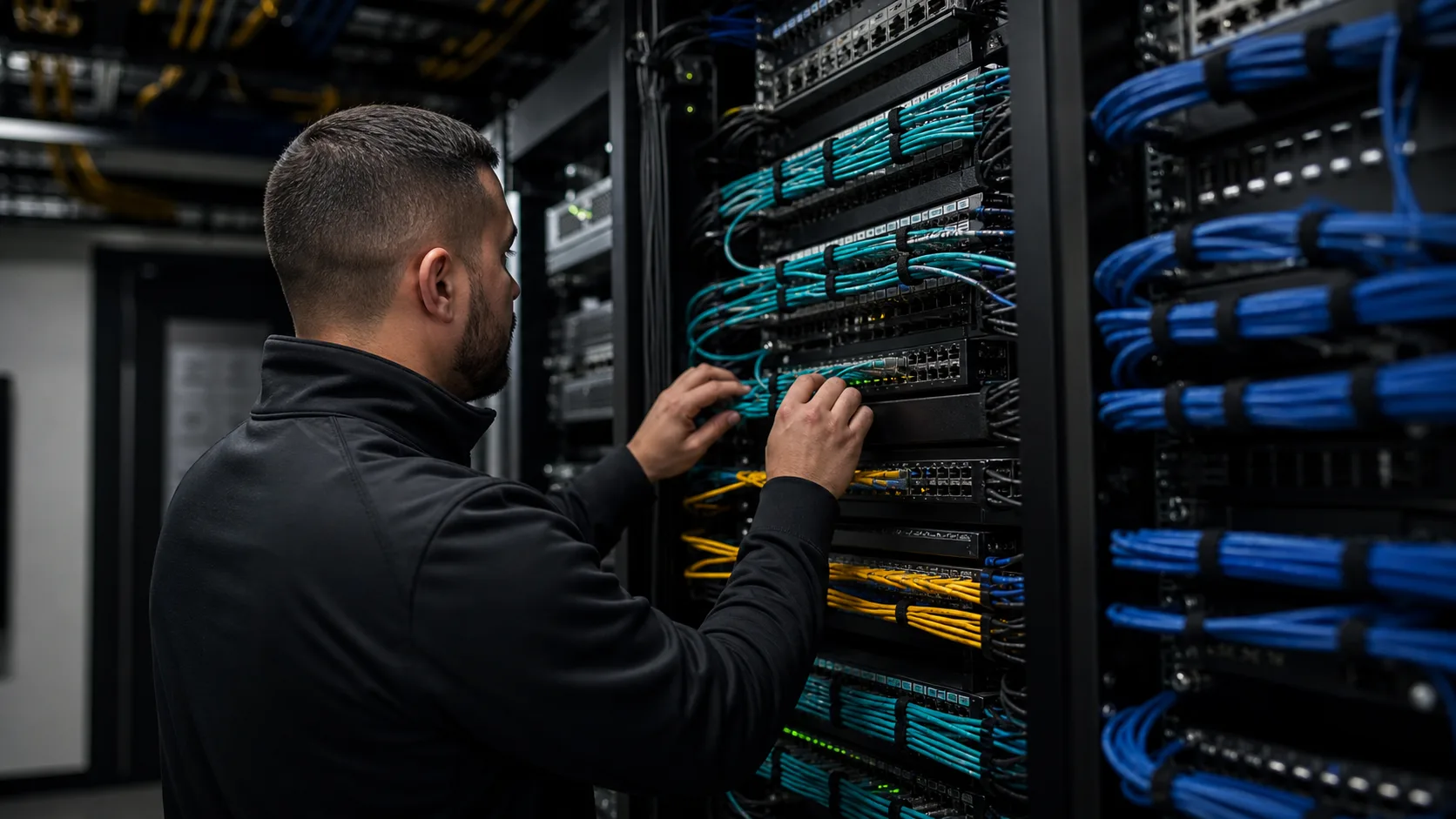
Segmentation is a logical design layer, but it still depends on physical execution.
That means the environment needs:
- reliable switching
- appropriate uplinks
- organized racks
- documented patching
- stable structured cabling
- capacity for future growth
This is why segmentation and infrastructure planning often belong in the same conversation. If the network closet is disorganized, uplinks are undersized, or devices are patched unpredictably, even a good policy model becomes harder to maintain.
That relationship is part of what is discussed in structured cabling vs network infrastructure and the hidden cost of poor network infrastructure in commercial buildings.
Security systems that usually benefit from segmentation
Camera systems
Modern video systems generate real traffic and often require remote viewing, analytics, and storage coordination. They should not simply blend into normal office traffic.
Access control platforms
Door systems affect safety, operations, and after-hours security. They deserve cleaner access control and better administrative boundaries.
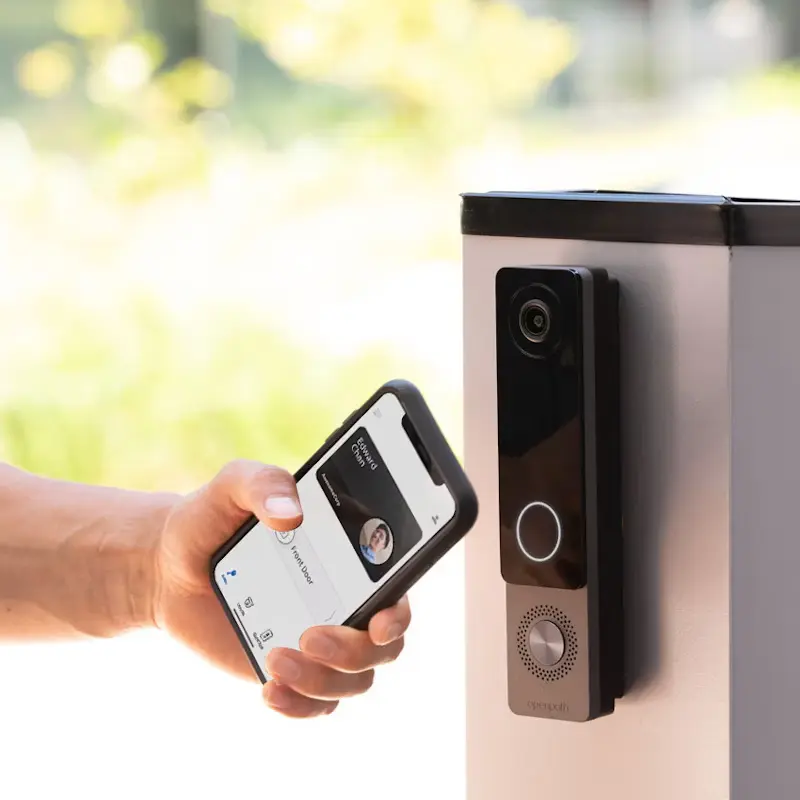
Video intercom and entry systems
These systems can involve mobile apps, cloud communication, audio and video transport, and integration with access workflows.
AV over IP and signage
Some commercial AV systems now ride directly on network infrastructure. They often benefit from predictable traffic design and clear separation from general user activity.
Questions organizations should ask before redesigning the network
- What systems are currently sharing the same environment?
- Which devices require remote access, and by whom?
- Which systems generate the most traffic?
- What parts of the environment are business critical?
- How are guest and vendor connections currently handled?
- Is the switching and cabling environment strong enough to support a cleaner design?
- Who will document and maintain the segmentation model?
Those questions help teams move from abstract cybersecurity language to an actual implementation plan.
What a practical project usually looks like
A real-world segmentation project often includes:
- discovery of current devices and roles
- topology review
- switch and uplink review
- cabinet and patching assessment
- proposed zone model
- access policy review
- phased cutover planning
- documentation and testing
In some buildings, this happens as part of a larger infrastructure upgrade. In others, it follows a security or reliability review where the current network has clearly become too flat.
Why integrated providers see the problem earlier
Organizations that work with different vendors for IT, cameras, access control, AV, and cabling often do not get a clear cross-system picture. Each vendor sees their own piece.
A provider that understands both network solutions and connected systems across security and infrastructure is often better positioned to spot where the design is too exposed, too flat, or too hard to support.
That is one reason a consultation is useful before major device growth or platform changes. It helps define the architecture before the next round of installations makes the environment more complicated.
Segmentation is really about making the building easier to run
Decision makers sometimes hear segmentation and think only about cyber risk. The bigger operational truth is simpler.
A well-segmented environment is easier to understand, easier to grow, easier to secure, and easier to recover when something goes wrong.
That matters because commercial buildings now depend on connected systems for much more than office productivity. They depend on them for visibility, access, communication, and daily operations.
When those systems all share one messy network, every change becomes riskier. When the network is segmented intentionally, the building gains resilience.
Frequently Asked Questions
What is network segmentation for security systems?
It is the practice of separating cameras, access control, guest Wi-Fi, AV, and business IT into more controlled network zones instead of running everything in one flat environment.
Why should cameras and access control be segmented?
Segmentation improves security, troubleshooting, performance management, and administrative control while reducing the chance that one problem affects unrelated systems.
Is segmentation only about cybersecurity?
No. It also improves operational reliability, supportability, vendor access control, and long-term scalability.
Does segmentation require new infrastructure?
Sometimes. It depends on the current switching, uplinks, documentation, and physical cabling environment. Some buildings need cleanup or upgrades before segmentation can be implemented well.
What frameworks are useful when planning segmentation?
Organizations often use NIST Cybersecurity Framework 2.0, CISA Cybersecurity Performance Goals, and zero trust principles as practical guidance.