IP camera systems have become a core part of security and operational planning for commercial and industrial facilities. Modern surveillance is no longer limited to basic video recording. Today’s systems provide real-time visibility, remote access, analytics, and integration with other facility technologies.
For organizations managing large buildings, multiple sites, or sensitive operations, IP camera systems offer a scalable way to monitor activity, improve safety, and support investigations without relying on manual processes or outdated equipment.
Why IP Camera Systems Matter in Commercial Environments
Commercial facilities face a wide range of security and operational challenges. Theft, unauthorized access, safety incidents, and liability concerns all require clear documentation and reliable visibility.
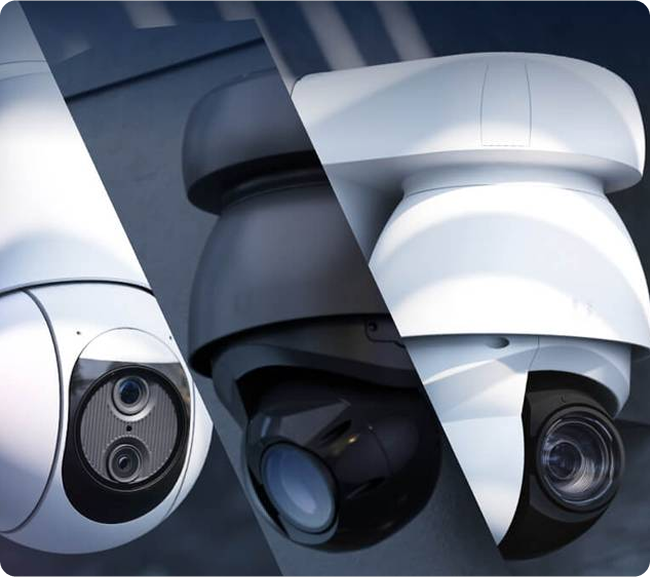
IP camera systems provide centralized monitoring across entry points, production areas, loading docks, parking areas, and interior spaces. Unlike legacy analog systems, IP cameras deliver higher image quality, flexible placement, and network-based access that supports modern workflows.
Key advantages include:
- Clear video footage for incident review
- Real-time monitoring from on-site or remote locations
- Centralized management across facilities
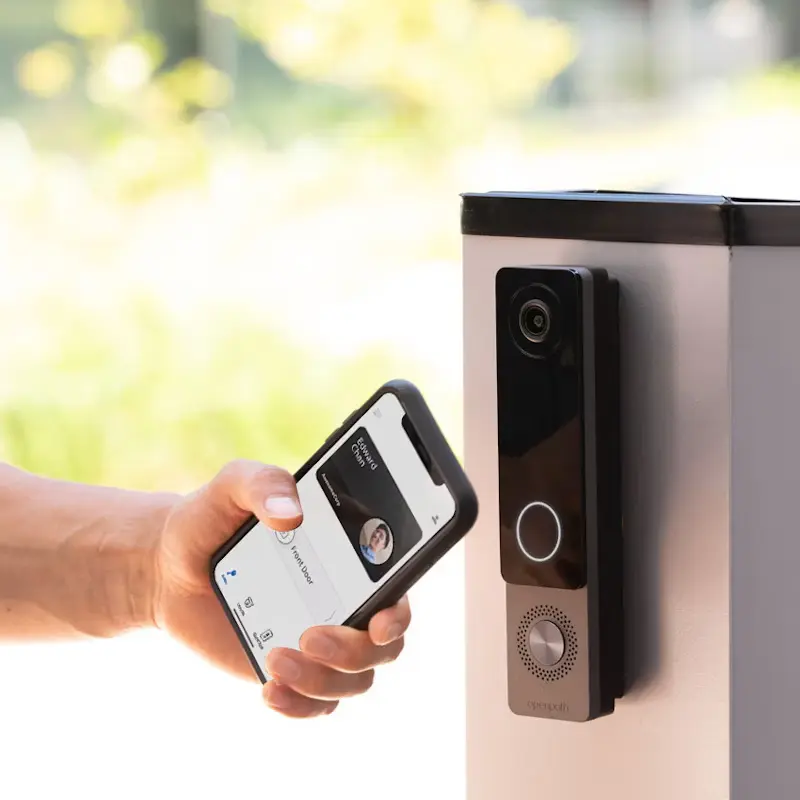
- Integration with access control and security systems
- Scalable expansion as needs grow
For facilities operating around the clock, reliable video coverage supports both security teams and operational leadership.
Core Components of an IP Camera System
Understanding the components of an IP camera system helps facility managers plan effectively and avoid performance issues.
Cameras and Imaging Technology
Modern IP cameras support high-resolution imaging, low-light performance, and wide dynamic range. Camera selection depends on coverage needs, lighting conditions, and environmental factors.
Indoor cameras, outdoor-rated cameras, and specialty cameras are often combined to provide complete coverage.
Video Management Software
Video management software allows users to view live feeds, review recordings, and manage camera settings. A reliable platform supports user permissions, event searches, and system health monitoring.
Centralized management becomes especially important for facilities with multiple buildings or sites.
Network Infrastructure and Connectivity
IP cameras rely on network connectivity for video transmission and storage. Bandwidth planning, switch capacity, and proper configuration are critical to system performance.
A well-designed network ensures video streams remain stable and accessible without affecting other systems.
Storage and Retention Planning
Storage requirements depend on camera resolution, frame rate, and retention policies. Facilities must balance compliance requirements with available storage capacity.
Planning storage correctly avoids gaps in coverage and unexpected costs.
Planning Camera Placement for Effective Coverage
Camera placement has a significant impact on system effectiveness. Poor placement can leave blind spots or produce footage that is difficult to use during investigations.
Effective planning considers:
- Entry and exit points
- High-traffic areas
- Sensitive or restricted zones
- Lighting conditions throughout the day
- Mounting height and camera angles
A thoughtful layout improves image quality and reduces the need for rework.
Integrating IP Cameras With Other Facility Systems
IP camera systems deliver the most value when integrated with other technologies.
Access Control Integration
When cameras are integrated with access control systems, video footage can be associated with access events. This allows security teams to quickly verify who entered a space and what occurred before or after an event.
This integration improves accountability and speeds up investigations.
Network and IT Coordination
Cameras share network infrastructure with other systems. Coordinating camera deployment with IT teams ensures proper segmentation, security, and performance.
Without coordination, cameras can become a source of network congestion or security risk.
Remote Monitoring and Alerts
Modern IP camera systems support remote access and alerting. Authorized users can monitor facilities from off-site locations and receive notifications based on defined triggers.
This capability is especially valuable for multi-site operations and after-hours monitoring.
Common Challenges With IP Camera Deployments
Even well-planned systems can face challenges if certain factors are overlooked.
Insufficient Network Capacity
High-resolution video requires bandwidth. Without proper planning, cameras may experience lag, dropped frames, or recording failures.
Poor Lighting Conditions
Low light can reduce image quality if cameras are not selected properly. Lighting conditions should be evaluated during planning.
Inconsistent Configuration and Documentation
Without standardized configuration and documentation, troubleshooting becomes difficult as systems grow.
Lack of Ongoing Maintenance
Camera systems require firmware updates, lens cleaning, and periodic testing to remain reliable.
Supporting Compliance and Incident Documentation
Video surveillance plays a key role in compliance and risk management. Clear footage helps document incidents, resolve disputes, and support insurance or legal processes.
Retention policies, access permissions, and audit logs help ensure video data is managed responsibly and consistently.
Scaling IP Camera Systems Over Time
Facilities evolve through expansion, new equipment, and changing security needs. IP camera systems should be designed to scale without major redesigns.
Scalable systems support:
- Adding cameras without replacing core infrastructure
- Expanding storage as retention needs change
- Centralized management across new locations
- Integration with future security and technology upgrades
This flexibility protects investments and supports long-term planning.
IP Camera Systems From Tolleson Inc.
IP camera systems for commercial facilities provide visibility that supports security, safety, and operational awareness. When designed and implemented correctly, they deliver reliable coverage without disrupting network performance or daily operations.
Tolleson Inc. designs and installs IP camera systems for commercial and industrial environments across Tennessee and nationwide. Our solutions integrate with network infrastructure and access control systems to support clear visibility, reliable performance, and scalable growth.