Security cameras and access control are often purchased in separate conversations. One vendor talks about doors and credentials. Another talks about cameras, recorders, and analytics. But in multifamily properties, those systems create the most value when they are planned together. That starts with coordinating access control and IP camera systems as part of one operational plan.
That is because apartment communities do not just need footage or locked doors. They need context. They need to know what happened, where it happened, when it happened, and who had access to the area at the time.
When video surveillance and access control are integrated thoughtfully, property managers gain better visibility, better investigations, and better operational control across the property.
Why these systems should not be treated as separate projects
In many communities, the camera system and access control system were installed at different times for different reasons. As a result, they often operate in silos.
Common examples include:
- Cameras recording entrances without any tie to entry events
- Access-controlled amenity doors with no nearby video coverage
- Leasing or maintenance staff needing two separate systems to understand an incident
- No clear workflow for reviewing door activity alongside footage
This slows down investigations and reduces the value of both systems.
When planned together, cameras and access control can support:
- Better incident review
- Faster response to resident complaints
- Stronger accountability for shared spaces
- Better vendor and visitor oversight
- More useful operational reporting
What integration actually looks like in multifamily
Integration does not always mean a single vendor for everything. It means the systems are designed to work in a coordinated way.
In a practical multifamily environment, that might include:
- Camera coverage at controlled entries and exits
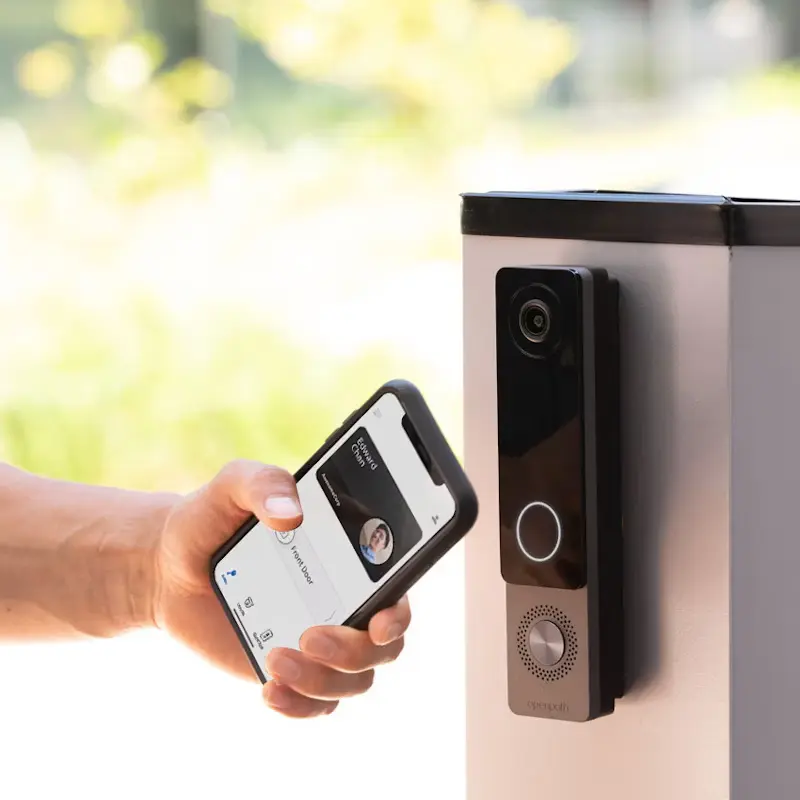
- Video associated with access events
- Shared visibility into resident, staff, and vendor entry activity
- Coordinated alerts for forced doors or propped doors
- Better evidence collection during disputes or incidents
This is especially useful in communities with multiple buildings, parking areas, package rooms, amenities, and staff-only spaces. If the property also relies on visitor entry devices, this planning should extend to video entry and intercom workflows as well.
The multifamily areas where integration matters most
Main building entrances
The front entry is one of the clearest places where integration adds value. If the property has access control but no quality camera coverage, there is limited visual context when an incident happens. If the property has cameras but no trackable access events, the footage can still be hard to interpret quickly.
Together, they provide stronger verification of:
- Who approached the door
- Who entered
- Whether a resident allowed in additional people
- Whether a door was forced, held, or misused
Amenity spaces
Fitness centers, lounges, package rooms, pools, and coworking spaces are frequent sources of resident complaints and liability questions.
Integrated systems help properties review:
- Who accessed the area
- Whether the person was authorized
- What activity occurred during the relevant time window
- Whether schedules or policies need to change
Staff-only areas
Maintenance shops, IT rooms, telecom closets, management offices, and storage rooms should be treated as controlled operational areas. Cameras paired with access logs improve accountability and reduce blind spots.
Garages and secondary entries
Side doors, parking entries, and back-of-house routes are common weak points in multifamily security. If these areas are controlled and monitored together, the property gains much stronger visibility into actual movement patterns.
Resident safety and resident confidence
Security is partly about actual risk reduction and partly about confidence in how the property is managed. Residents want to know that the community takes access seriously and that incidents can be reviewed with clear information.
Integrated camera and access control systems help support that confidence by making it easier for the property to:
- Review incidents professionally
- Address tailgating concerns
- Investigate package room issues
- Identify repeat access problems
- Improve security policies based on real evidence
This does not mean creating a surveillance-heavy environment that feels intrusive. Good system design focuses on common areas, controlled spaces, and operationally relevant locations while respecting privacy boundaries.
Why investigations get easier with integrated systems
Without integration, investigating an incident often involves piecing together separate timelines from different systems. That can waste time and create avoidable confusion.
With integrated planning, staff can more easily answer questions like:
- Which credential was used at this door?
- What video corresponds to that access event?
- Was someone tailgating behind an authorized user?
- Did a vendor enter during the approved service window?
- Was the amenity space used after its scheduled closing time?
This improves not just security response but also the professionalism of property operations.
Operational benefits beyond incident response
The value of integration is not limited to crime or complaints. It also improves routine management.
Examples include:
- Verifying whether doors are being used as intended
- Adjusting amenity schedules based on actual use patterns
- Identifying recurring access bottlenecks
- Supporting vendor oversight
- Monitoring package room traffic
For regional operators, these insights can support broader policy decisions across multiple communities.
Why camera quality and placement still matter
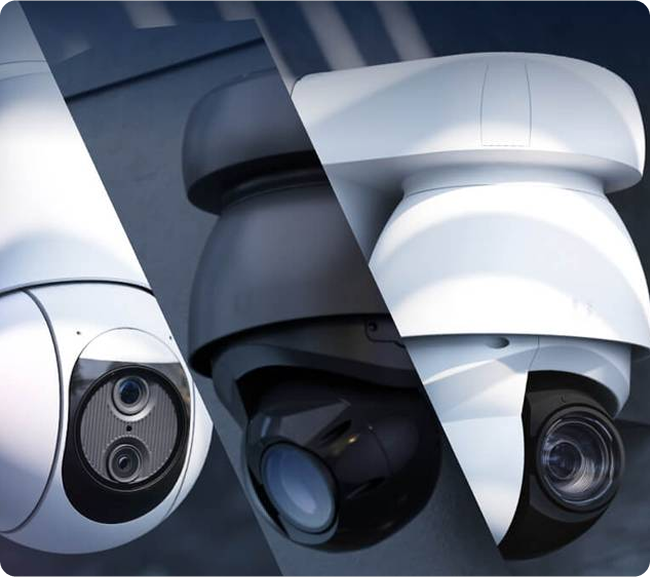
Integration only creates value if the camera system itself is designed correctly. Too many properties have cameras that technically cover a door but do not capture usable views.
Good planning should address:
- Coverage angle at controlled doors
- Lighting conditions
- Entry and exit visibility
- Resolution appropriate to the environment
- Retention and storage strategy
- Coverage of amenity and circulation spaces
Poor placement can make an integrated system feel less useful than expected, even when the software connection is technically in place.
The network is the backbone of both systems
Access control and video surveillance both rely on the property’s underlying network and low-voltage design. If the infrastructure is weak, the systems become harder to trust.
Property teams should evaluate:
- Structured cabling quality
- Switching capacity
- Power design
- UPS and backup planning
- Secure segmentation
- Connectivity between buildings
- Bandwidth needs for video traffic
This is especially important in larger communities or mixed-use properties where multiple buildings, garages, and outdoor areas may need coordinated coverage. Teams that need a foundation for that design should also review structured cabling and IT infrastructure early.
Common mistakes property managers should avoid
Mistake 1: Adding cameras without evaluating controlled spaces
Some communities install additional cameras after an incident but do not evaluate whether the relevant doors, gates, or amenities should also be access-controlled.
Mistake 2: Upgrading access control without reviewing video coverage
A door reader alone does not provide visual context. If a property upgrades access control but ignores cameras at those same areas, it misses a major opportunity.
Mistake 3: Treating package rooms as an afterthought
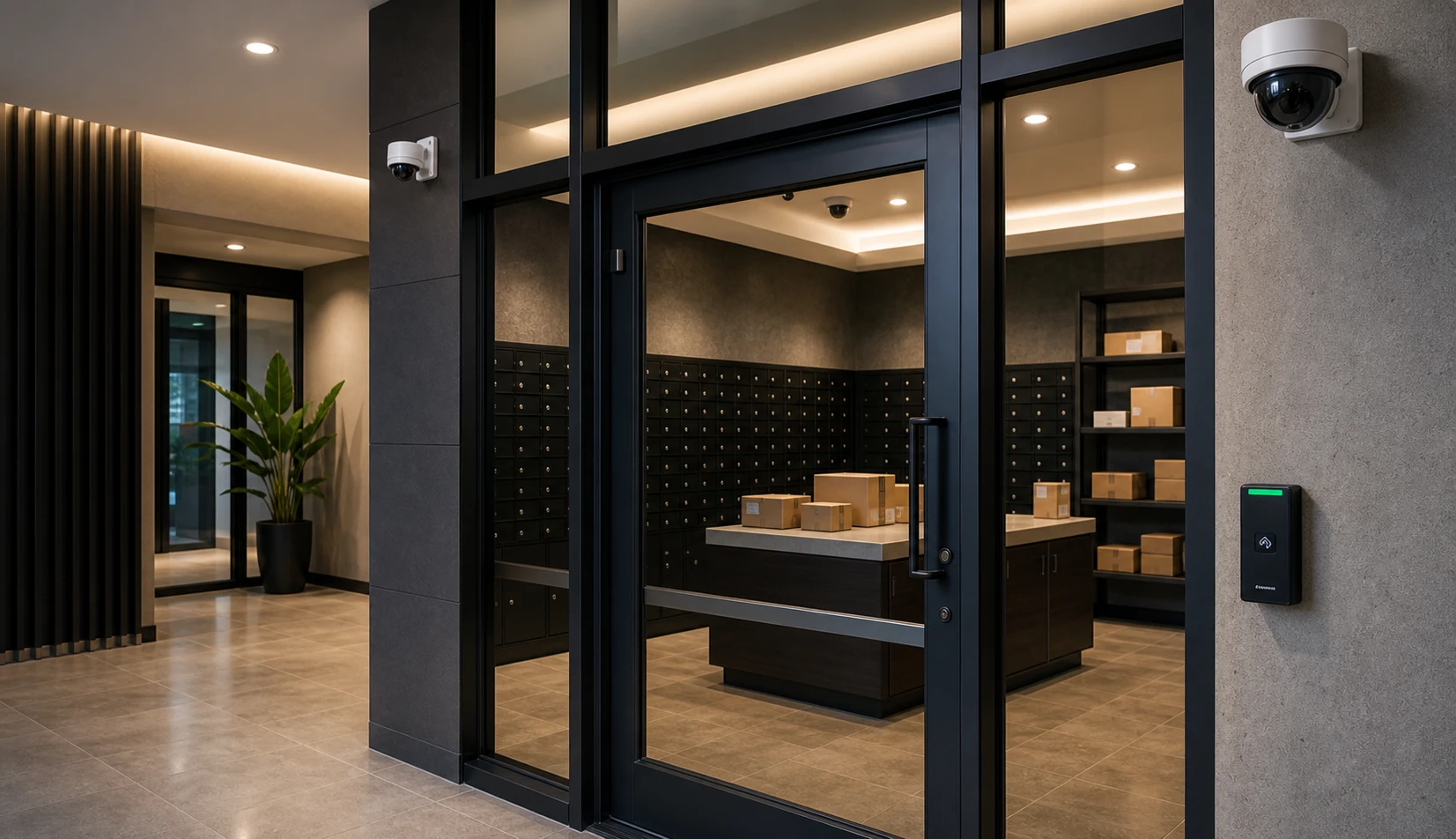
Package rooms are one of the clearest use cases for integrated security. They should be planned with both controlled access and usable video coverage.
Mistake 4: Ignoring infrastructure
Weak network design, poor cabling, and underpowered switching can degrade both systems at once.
Mistake 5: No clear review process
Even a good system loses value if staff do not know how to review events, footage, and access logs efficiently.
How to evaluate a combined security strategy
Property managers should review their environment in layers.
Perimeter and public-facing areas
- Main entries
- Side entries
- Parking and garage access
- Visitor approach areas
Shared resident spaces
- Fitness centers
- Clubhouses
- Package rooms
- Pools
- Coworking areas
Operational spaces
- Leasing offices
- Maintenance areas
- IT and telecom rooms
- Storage areas
For each area, ask:
- Should this space be access-controlled?
- Should this space have video coverage?
- If both, are the systems coordinated in a way that helps staff review and manage events?
Why this approach matters for multifamily operators in 2026
Apartment communities are under more pressure to prove that their technology investments support both security and operations. Ownership groups want more visibility. Residents expect smoother experiences. Staff teams need better tools, not more fragmented systems.
Integrated access control and surveillance help meet those demands because they create usable context. They help communities move from disconnected devices to a more intentional security environment. The same shift is happening in broader commercial environments, which is why many teams are also exploring integrated security and IT systems and remote monitoring for commercial security.
For multifamily operators in Nashville, throughout Tennessee, and across the country, this kind of planning also supports broader smart-building and low-voltage goals. When systems are coordinated from the start, the property is easier to manage, easier to scale, and better prepared for future upgrades.
Frequently Asked Questions
Why should apartment buildings integrate cameras and access control?
Integration helps properties connect entry events with visual evidence, which improves investigations, accountability, and operational visibility.
Where does integration matter most in a multifamily property?
Main entries, amenity spaces, package rooms, garages, and staff-only areas are the highest-value places to coordinate video and access control.
Does integration require one vendor for everything?
Not always. The key is coordinated design and usable workflows, not necessarily a single manufacturer.
Can integrated systems improve resident safety?
Yes. They help properties respond to incidents more effectively, monitor controlled areas more intelligently, and improve security policy enforcement.
What infrastructure supports integrated systems?
Structured cabling, secure networking, switching capacity, reliable power, and connectivity between buildings all play an important role.
Planning a project? Explore our multifamily security and technology planning for the next step.