In industrial and commercial environments, network infrastructure is not just “IT.” It is the backbone that keeps production moving, keeps teams connected, and keeps security systems and facility technology operating reliably. When a network is unstable or poorly designed, the impact is immediate: downtime, slow applications, unreliable security devices, and a growing list of vulnerabilities that are difficult to track.
Network infrastructure for industrial facilities must support demanding conditions. It often spans large square footage, includes multiple buildings, supports both legacy systems and modern cloud tools, and has to work around machinery, interference, and operational constraints. The best networks are designed to be reliable, secure, and scalable from day one.
This guide covers how facility leaders can plan and improve network infrastructure with practical considerations that protect uptime, reduce risk, and support long-term growth.
Why Network Infrastructure Matters More Than Ever
Industrial facilities rely on connectivity for far more than office email. Networks increasingly support:
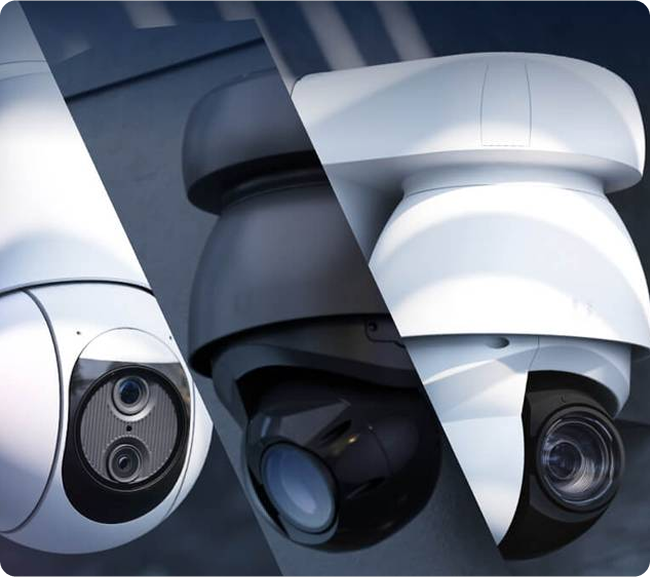
- Video surveillance and security monitoring
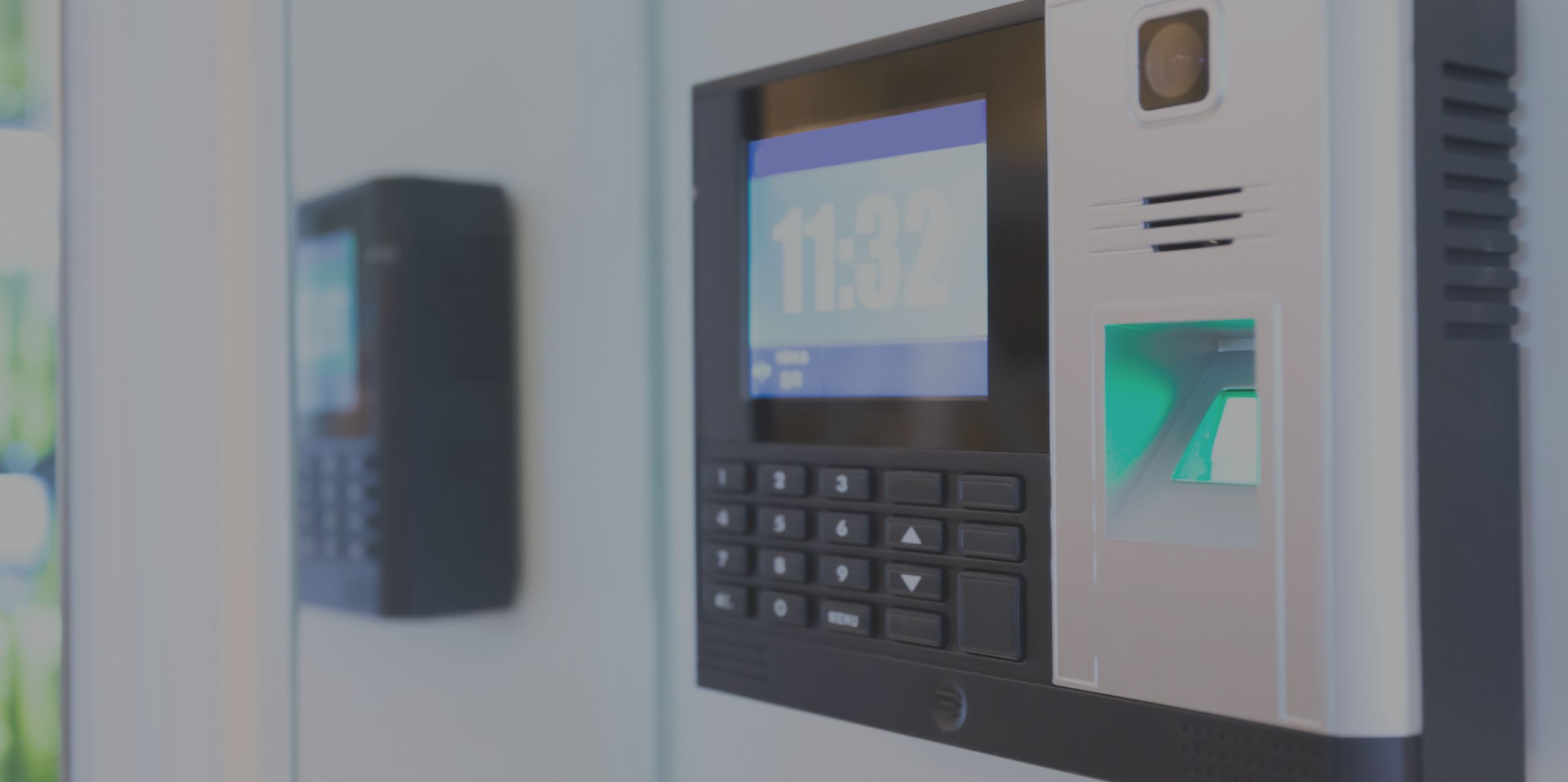
- Access control and credential management
- VoIP phone systems and unified communications
- Industrial automation and monitoring tools
- WiFi coverage for handheld devices and tablets
- Remote access for support and troubleshooting
- Cloud applications, reporting, and compliance documentation
As facility technology expands, so do the expectations placed on the network. A network that was “good enough” five years ago often becomes the bottleneck that slows operations today.
Common Network Problems in Industrial and Commercial Facilities
Most network issues in industrial environments fall into a few predictable categories. Identifying the category helps determine the correct solution.
Unreliable Connectivity and Dropouts
This is often caused by poor WiFi design, inconsistent switch configurations, interference, or old cabling. In a warehouse or production environment, weak signal coverage and roaming issues show up quickly.
Lack of Segmentation
When everything shares the same flat network, security risks increase and performance suffers. Segmentation is essential when security systems, guest networks, office devices, and operational technology share infrastructure.
Limited Visibility Into Performance and Risk
Many facilities operate on a network that “sort of works” until something fails. Without monitoring, alerts, and documentation, troubleshooting becomes time-consuming and expensive.
Growth Without a Plan
Facilities expand, add buildings, add devices, and add new systems. If the network was not designed with growth in mind, each new addition increases complexity and risk.
A Strong Network Starts With Clear Requirements
Before choosing hardware or upgrading equipment, it helps to define what the network must support today and in the future.
Key questions to answer:
- How many devices are currently connected and how quickly is that number growing
- Which systems are mission critical and require high availability
- Are there separate business units, buildings, or tenants that need isolation
- What security and compliance expectations exist for access and logging
- What type of remote access is required and who will use it
- What new projects are planned over the next 12 to 24 months
A network designed around real requirements performs better and costs less over time because it avoids constant reactive upgrades.
Designing for Reliability and Uptime
Industrial networks should be designed with uptime as the primary goal. Reliability comes from architecture, not from buying one expensive device.
Redundancy and Resilience
Redundancy can include backup internet connections, redundant network paths, and high-availability switching where needed. The right level of redundancy depends on what downtime costs your facility.
Quality Switching and Proper Configuration
Many “network problems” are configuration problems. Proper VLAN design, switch configuration consistency, and traffic prioritization help prevent performance issues that look like random instability.
Cabling and Physical Infrastructure That Supports the Plan
Network reliability depends on physical layer quality. Poor cable runs, improper termination, and aging infrastructure cause intermittent issues that are hard to diagnose.
Structured cabling is not glamorous, but it is often the difference between a stable network and constant troubleshooting.
Security Best Practices for Industrial Network Infrastructure
Security does not start at the firewall. It starts with network design.
Network Segmentation
Segmenting the network helps isolate systems and reduce the spread of threats. Common segments include:
- Corporate office network
- Guest WiFi
- Security systems network
- Building automation systems
- Operational technology and production systems
- Vendor access or temporary contractor networks
Segmentation improves both security and performance.
Access Control for Network and Systems
Network access should be managed, documented, and restricted to the right users. Administrative access should be limited and tracked. Strong password policies are not enough if access is shared or unmanaged.
Monitoring and Alerting
Monitoring provides visibility into device health, bandwidth usage, outages, and suspicious activity. It also helps reduce the time to resolve issues, which improves uptime.
Secure Remote Access
Remote access is critical for support and multi-site visibility, but it must be implemented carefully. Secure remote access should include authentication controls and clearly defined user permissions.
WiFi in Industrial and Warehouse Environments
WiFi challenges in industrial facilities are often misunderstood. Warehouses and production floors are not the same as office environments. Metal shelving, equipment, forklifts, and large open spaces change how signals behave.
A strong industrial WiFi plan typically includes:
- A site survey to identify interference and coverage gaps
- Access point placement designed for roaming and consistency
- Separate networks for employees, guests, and devices
- Traffic prioritization for real-time applications where needed
- Ongoing monitoring and tuning as the environment changes
Reliable WiFi is increasingly essential for scanning, inventory management, and mobile workflows.
Supporting Security Systems and Facility Technology
Security and facility systems depend heavily on network stability. If network infrastructure is unreliable, you will see it in:
- Cameras dropping offline
- Delayed alerts or missed notifications
- Access control events failing to log properly
- Intercom and video entry systems lagging
- Remote viewing and monitoring performance issues
Network design should account for power needs, device placement, bandwidth planning, and secure segmentation for security systems.
Planning for Scalability and Future Projects
A network should not need a redesign every time the facility adds a new system. Scalability comes from planning.
A scalable network includes:
- Switching and cabling capacity for growth
- A documented architecture that can be extended consistently
- Standard device and configuration templates
- A plan for adding buildings, zones, and new systems
- A lifecycle approach to maintenance and replacement
This is especially important for facilities that plan to expand operations, modernize systems, or deploy new security and technology solutions over time.
What a Practical Network Upgrade Roadmap Looks Like
Facilities often benefit from a phased approach that balances immediate improvements with long-term planning.
A typical upgrade roadmap can include:
- Assessment and documentation of current network and device inventory
- Stabilization, including resolving major bottlenecks and outages
- Segmentation and security improvements to reduce exposure
- Performance upgrades for switching, WiFi, and connectivity
- Monitoring, alerting, and ongoing lifecycle support
This approach reduces disruption and allows improvements to be made without interrupting daily operations.
Network Infrastructure Services from Tolleson Inc.
Network infrastructure for industrial facilities should support uptime, security, and growth, not create ongoing headaches. When designed correctly, the network becomes a stable platform that supports your security systems, communications, and operational technology with fewer interruptions and fewer surprises.
Tolleson Inc. provides network infrastructure planning, installation, and long-term support for commercial and industrial environments across Tennessee and nationwide. We help facilities design reliable connectivity, improve security, and build a network foundation that scales with the business.