Technology infrastructure planning is one of the most overlooked aspects of new commercial construction. Many projects focus heavily on structural design, utilities, and finishes while treating technology as something to be added later. This approach often leads to higher costs, delays, and compromised system performance once the building is occupied.
In 2026, commercial buildings rely on integrated technology systems from day one. Security, networking, access control, life safety, communications, and audio visual systems all depend on proper infrastructure planning during construction. Facilities that plan early experience fewer issues, lower long term costs, and better system reliability.
Why Early Planning Matters
Technology systems are no longer standalone additions. They are embedded into how buildings operate. When planning is delayed, installers are forced to work around finished walls, ceilings, and electrical layouts.
Early planning allows teams to coordinate pathways, equipment locations, power requirements, and network design before construction is complete. This reduces rework and prevents compromises that limit system performance.
Core Systems That Require Advance Planning
Several technology systems depend on infrastructure decisions made during construction.
Network and Data Infrastructure
Network infrastructure is the foundation for nearly every modern building system. Cabling pathways, equipment rooms, and connectivity points must be planned early to support bandwidth needs and future growth.
Poor planning often results in overcrowded closets, limited expansion capacity, and inconsistent coverage.
Security and Access Control
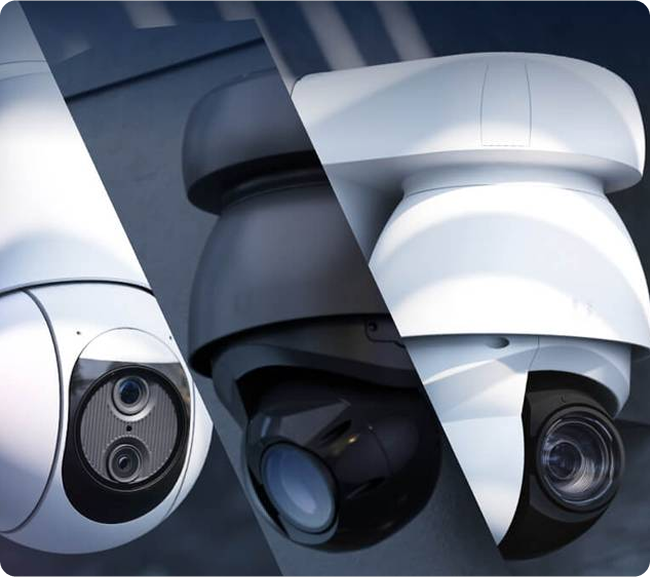
Access control readers, door hardware, cameras, and monitoring equipment require coordination with architectural and electrical plans. Proper placement and cabling ensure coverage is effective and systems operate reliably.
Security systems are far easier to implement correctly before doors, walls, and ceilings are finalized.
Fire and Life Safety Systems
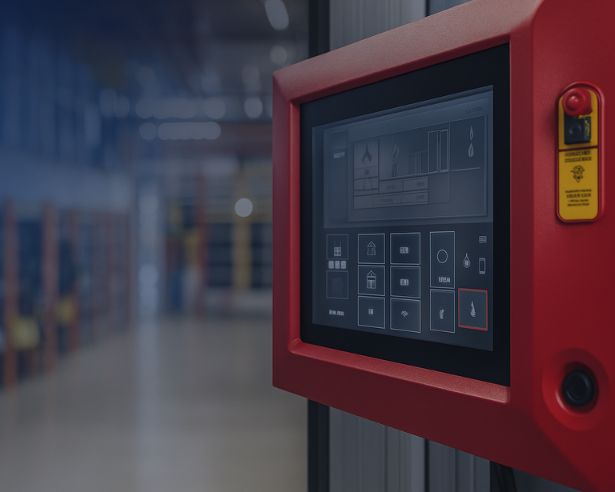
Life safety systems must meet code requirements and coordinate with building layouts. Planning early ensures proper device placement, monitoring connections, and documentation that supports inspections and approvals.
Late changes to life safety systems can delay occupancy and increase costs.
Audio Visual and Communication Systems
Conference rooms, training spaces, digital signage, and collaboration areas depend on structured cabling, power availability, and network connectivity. Planning these systems early allows for cleaner installations and better user experience.
Coordination Between Trades Is Critical
Technology infrastructure planning works best when it is coordinated with other trades. Electrical, mechanical, and architectural teams must understand technology requirements to avoid conflicts.
Clear coordination helps prevent issues such as blocked pathways, insufficient power, and equipment rooms that are too small to support operational needs.
Designing for Scalability and Change
Commercial buildings rarely remain static. Tenants change, operations expand, and new systems are introduced.
Planning for scalability includes:
• Additional conduit and pathways
• Extra rack space and power capacity
• Flexible network design
• Clear documentation for future upgrades
These decisions cost little during construction but save significant time and money later.
Avoiding Common Planning Mistakes
Facilities often encounter similar issues when technology planning is overlooked.
Common mistakes include:
• Treating technology as a finish phase item
• Underestimating network and data requirements
• Failing to plan equipment room space
• Ignoring future expansion needs
• Relying on generic specifications
Avoiding these mistakes requires early involvement from experienced technology professionals.
The Value of a Unified Technology Plan
A unified technology plan aligns all systems under a consistent design approach. Security, networking, AV, and life safety systems are planned together rather than in isolation.
This approach improves performance, simplifies management, and reduces long term maintenance challenges.
Supporting Occupancy and Operational Readiness
Well planned infrastructure supports faster occupancy and smoother transitions. Systems are tested, documented, and ready when the building opens.
Facility teams benefit from clear documentation, predictable performance, and fewer early operational issues.
Technology Infrastructure Planning With Tolleson Inc.
Tolleson Inc works with developers, contractors, and facility owners to plan and deploy technology infrastructure for new commercial construction projects nationwide. Our team helps align security, networking, life safety, and communication systems with building design and operational goals.
Facilities that invest in early planning benefit from reliable systems, reduced risk, and infrastructure built to support long term success.