Many businesses invest in security systems, but not all systems are designed or implemented correctly. Small mistakes in planning, installation, or management can lead to serious vulnerabilities.
Understanding the most common security mistakes businesses make can help prevent costly issues and improve overall protection.
As security systems become more advanced, many organizations are moving toward integrated security and IT systems to reduce risk and improve performance.
1. Relying on Outdated Security Systems
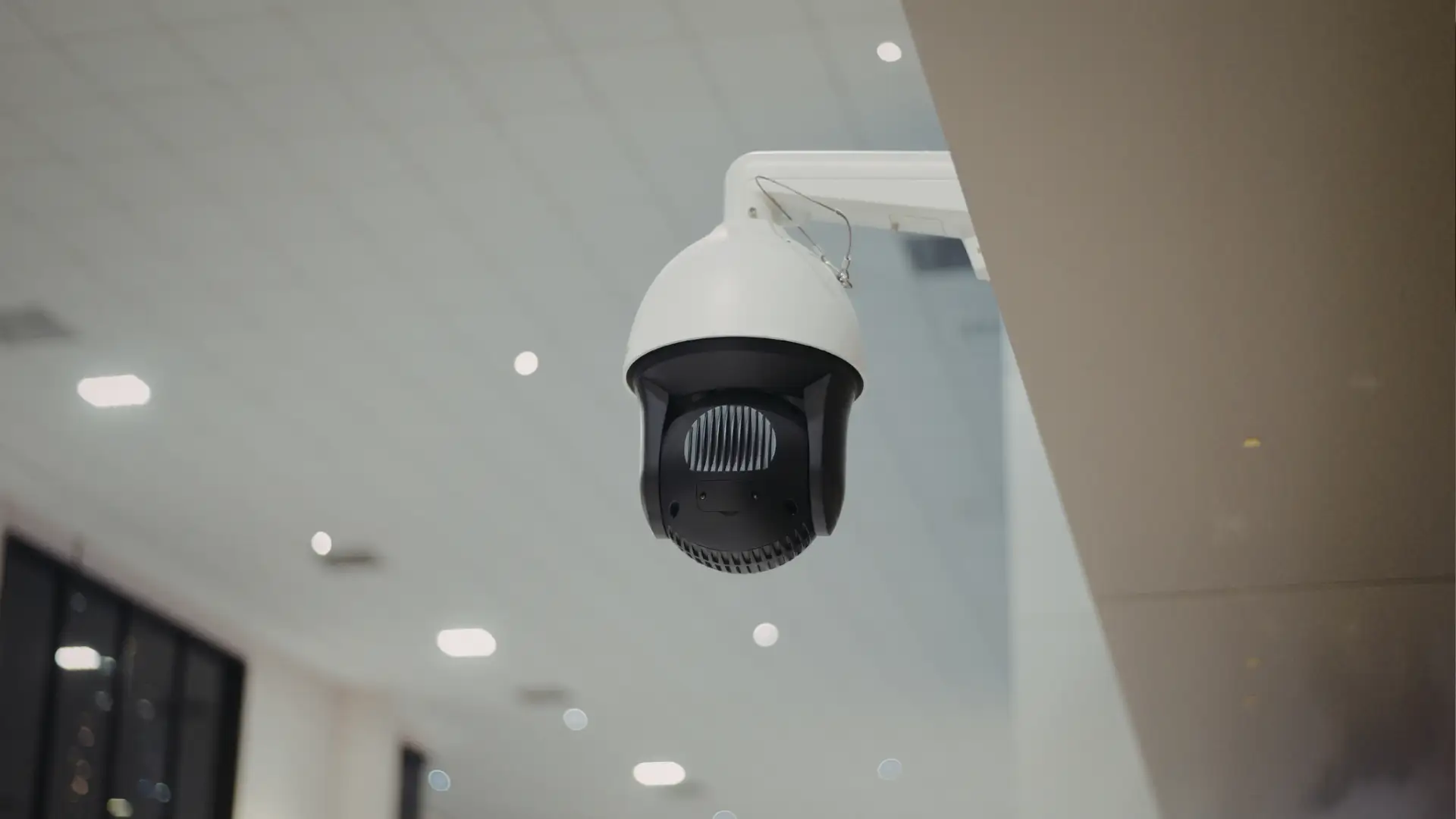
Many businesses continue to use outdated cameras or legacy systems that no longer provide adequate protection.
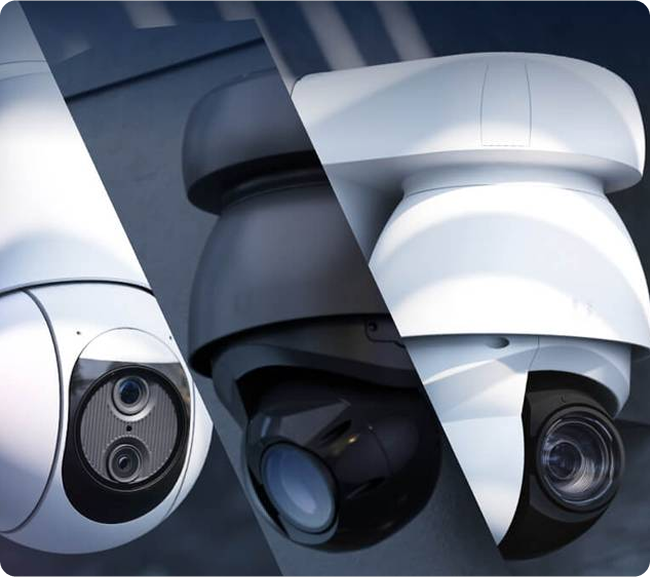
Modern commercial camera systems offer better resolution, remote access, and advanced analytics that significantly improve security.
2. Poor Camera Placement
Even the best cameras cannot protect a facility if they are not positioned correctly.
- Blind spots in key areas
- Incorrect angles
- Insufficient coverage of entry points
Proper planning ensures complete visibility across the facility.
3. Lack of Access Control
Relying only on traditional locks and keys creates unnecessary risk.
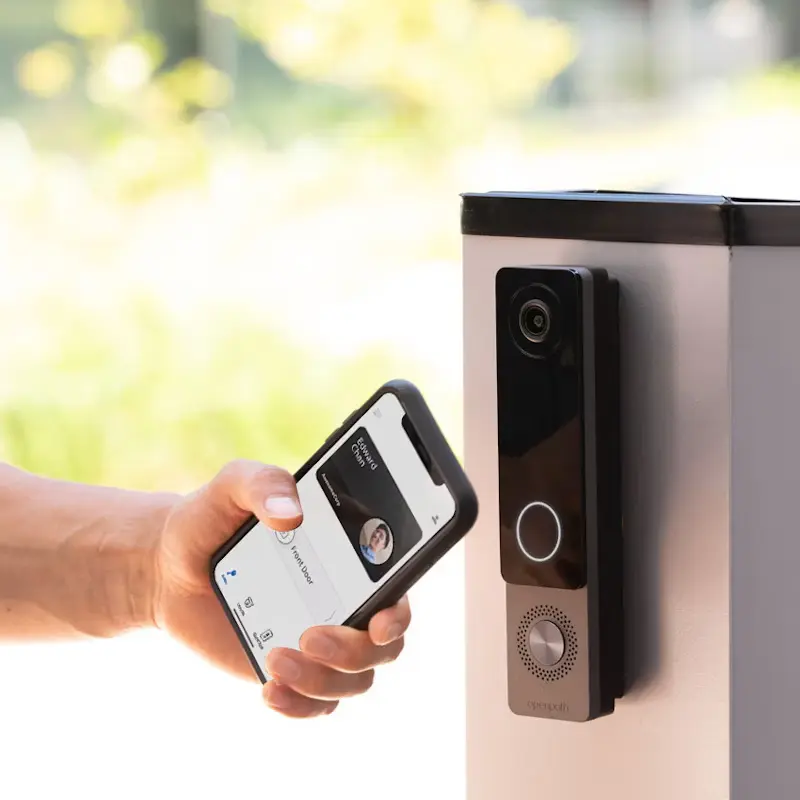
Businesses that implement access control systems gain better control over who enters their facilities and when.
This is especially important in environments where access control improves accountability across employees and vendors.
4. Ignoring Network Infrastructure
Security systems depend on reliable network performance. Without proper infrastructure, systems may fail or perform poorly.
Issues related to poor network infrastructure can lead to downtime, data loss, and security gaps.
5. No Monitoring or Slow Response Times
Installing cameras without monitoring limits the effectiveness of your security system.
Solutions like remote monitoring for commercial security provide real-time alerts and faster response to incidents.
6. Failing to Plan for Growth
Many businesses install systems that meet current needs but cannot scale as the company grows.
Planning ahead with strategies such as planning technology infrastructure helps ensure long-term flexibility.
7. Choosing the Wrong Security Provider
Not all providers offer the same level of expertise or service. Choosing the wrong partner can lead to poor system performance and ongoing issues.
Businesses should evaluate their options carefully and consider factors outlined in choosing a commercial security provider.
How Tolleson Inc Helps Businesses Avoid These Mistakes
Tolleson Inc works with commercial clients to design and implement security systems that address these common issues. By focusing on proper planning, integration, and long-term performance, businesses receive systems that provide real protection.
From cameras and access control to network infrastructure and monitoring, every solution is built to support both security and operations.
If you want to evaluate your current system or avoid these common mistakes, you can schedule a consultation to review your facility.
Building a Smarter Security Strategy
A strong security system is not just about equipment. It requires thoughtful planning, proper implementation, and ongoing support.
By avoiding these common mistakes, businesses can improve protection, reduce risk, and ensure their systems are built for long-term success.