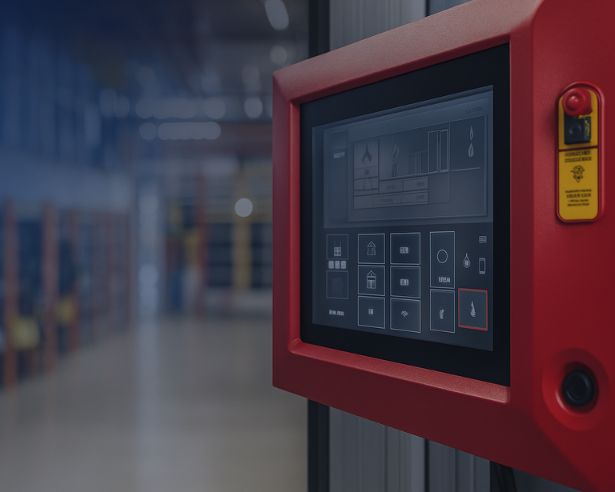
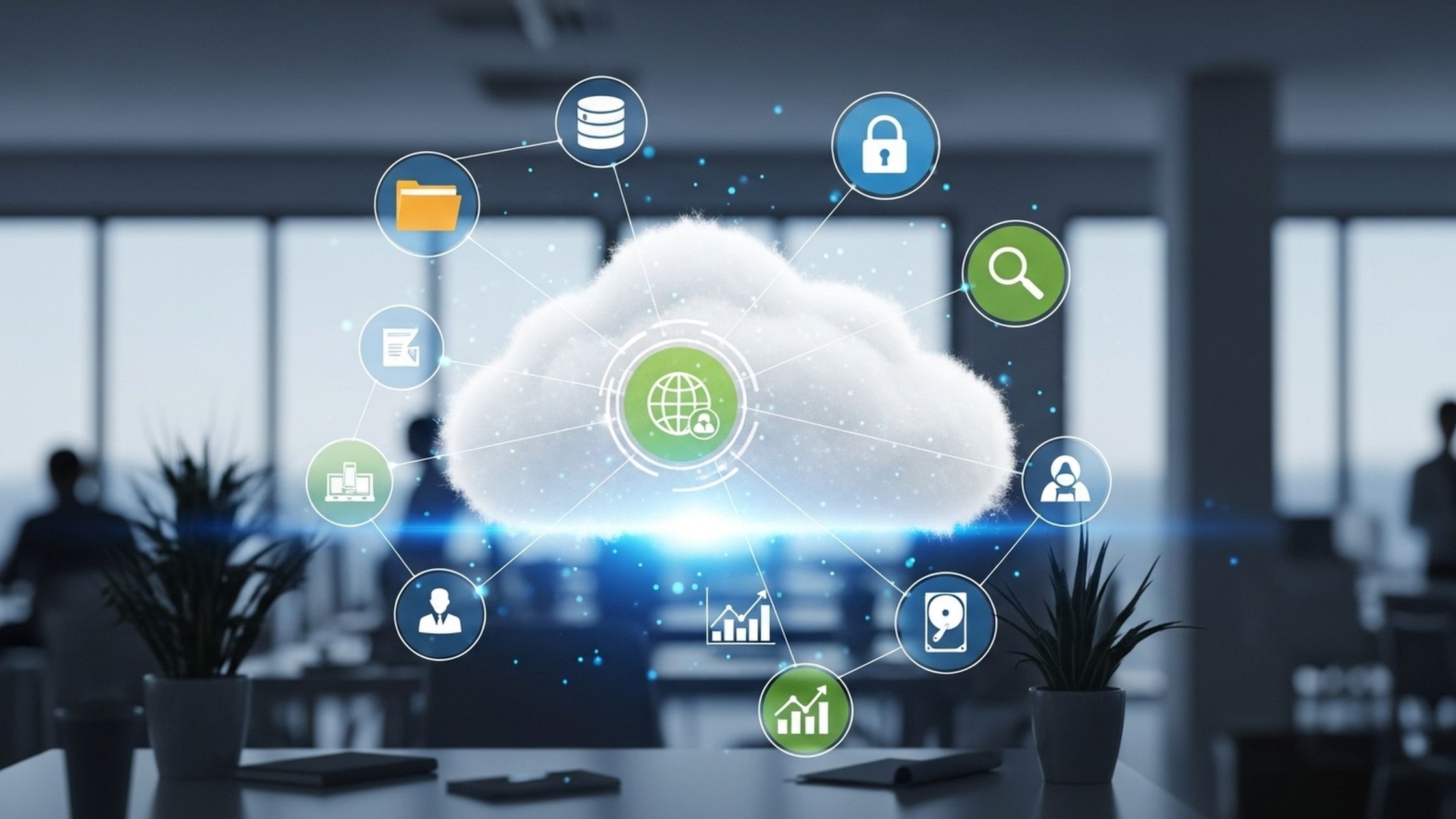
Commercial security systems are no longer isolated hardware devices. Today’s camera systems, access control platforms, and monitoring tools are network connected technologies. That means cybersecurity is no longer optional. It is a critical component of physical security strategy.
As businesses invest in smarter security infrastructure in 2026, protecting those systems from cyber threats is just as important as protecting buildings from physical intrusion.
Modern commercial security systems must be secure at both the physical and digital levels.
The Hidden Cyber Risks in Physical Security Systems
Many commercial facilities deploy IP cameras, cloud based monitoring platforms, and network connected access control systems. While these technologies provide greater flexibility and remote visibility, they also introduce new vulnerabilities.
Common cybersecurity risks include:
• Unauthorized remote access to camera feeds
• Default passwords left unchanged
• Unpatched firmware on security devices
• Network segmentation failures
• Weak user permission controls
• Data interception during transmission
If security devices are compromised, they can expose sensitive operational data and even create entry points into the broader network.
Why Commercial Security and IT Can No Longer Operate Separately
Historically, physical security teams and IT departments worked independently. That separation no longer works.
Modern commercial security systems rely on:
• IP based infrastructure
• Server environments
• Cloud platforms
• Encrypted data transmission
• Network bandwidth management
Without coordination between security and IT, systems can create performance issues or security gaps.
At Tolleson Inc., security deployments are planned alongside network architecture to ensure that physical protection does not compromise digital infrastructure.
Protecting Camera and Access Control Systems from Cyber Threats
Securing commercial security systems requires structured planning and disciplined implementation.
Best practices include:
Strong Credential Management
All devices should use complex, unique passwords with multi factor authentication where supported.
Network Segmentation
Security devices should operate on segmented VLANs to isolate them from critical business systems.
Encrypted Communication
Video streams and access control data should be encrypted to prevent interception.
Firmware and Patch Management
Devices must be regularly updated to address known vulnerabilities.
Controlled User Permissions
Access to live feeds and system controls should follow role based access protocols.
When these practices are ignored, the risk increases significantly.
Compliance and Liability Considerations
Many industries must meet compliance standards regarding data privacy and security. If video footage or access logs are compromised, organizations may face regulatory consequences.
Commercial security cybersecurity measures help protect:
• Employee data
• Visitor information
• Operational details
• Incident documentation
• Audit records
A secure deployment reduces liability and strengthens organizational credibility.
The Cost of Overlooking Security System Cyber Risks
Businesses often invest heavily in cameras and access control hardware while underestimating cybersecurity protection.
Potential consequences include:
• Unauthorized viewing of surveillance feeds
• Data theft from access logs
• System shutdowns during critical events
• Ransomware exposure through connected devices
• Damage to brand reputation
The financial and operational impact of a breach often exceeds the cost of implementing proper safeguards from the beginning.
How Tolleson Inc Secures Commercial Security Systems
Tolleson Inc designs commercial security systems with cybersecurity built into the foundation. Rather than treating cybersecurity as an afterthought, deployments include:
• Secure network configuration
• Proper device segmentation
• Encrypted communication standards
• Access control hardening
• Ongoing system maintenance and review
By integrating security technology with IT best practices, Tolleson Inc ensures that camera systems and access control platforms protect facilities without introducing new vulnerabilities.
Building a Secure Foundation for 2026 and Beyond
Commercial security systems are now part of the broader digital ecosystem. Protecting facilities requires attention to both physical and cyber risks.
Businesses evaluating new installations or upgrades should ensure that cybersecurity standards are part of the design conversation from day one.
A secure, integrated approach protects not only buildings and people, but also the data and infrastructure that modern organizations rely on every day.