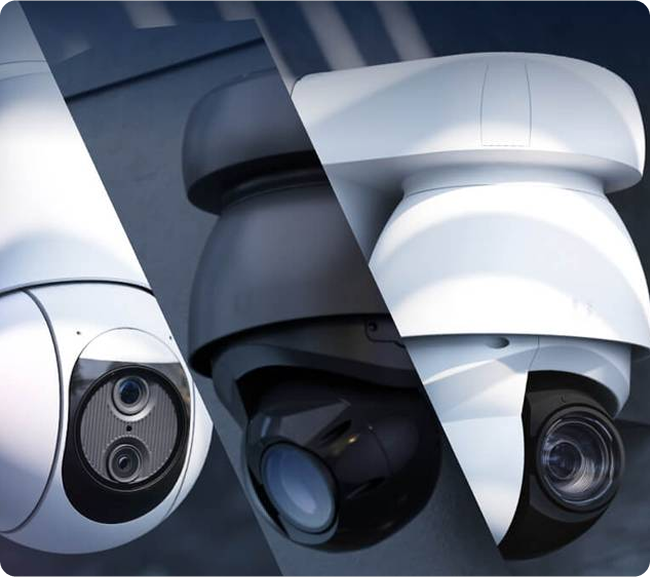
For many years, camera systems were installed primarily to record incidents after they occurred. In 2026, enterprise camera systems play a much larger role in how commercial facilities operate, monitor activity, and manage risk in real time.
Modern camera platforms are no longer passive tools. They provide visibility, accountability, and operational insight that supports security teams, facility managers, and leadership alike.
The Shift From Recording to Visibility
Traditional camera systems focused on storing footage for later review. While this still matters, organizations now expect more immediate value.
Enterprise camera systems provide:
• Live visibility across facilities
• Faster incident response
• Better coordination between teams
• Evidence backed decision making
• Improved oversight of operations
This shift turns cameras into active management tools rather than reactive devices.
Supporting Daily Operations Beyond Security
Many facilities use camera systems to support operational efficiency, not just loss prevention.
Examples include:
• Monitoring high traffic areas for congestion
• Verifying deliveries and shipments
• Reviewing workflow issues in production areas
• Supporting safety reviews and training
• Resolving disputes with objective footage
These use cases extend the value of camera systems beyond traditional security roles.
Integration Strengthens Effectiveness
Enterprise camera systems are most effective when integrated with other building technologies.
When cameras work alongside access control systems, security teams can correlate access events with visual confirmation. Integration with network infrastructure ensures reliable performance and consistent uptime. Integration with monitoring platforms allows alerts to be reviewed quickly and escalated when needed.
This connected approach improves accuracy and reduces response time.
Reliability Matters at Scale
Commercial facilities often deploy dozens or hundreds of cameras across multiple locations. At this scale, reliability becomes critical.
Enterprise grade systems are designed to handle:
• High device counts
• Continuous recording
• Centralized management
• Redundant storage and networking
• Secure access controls
Consumer or small business solutions struggle under these demands and introduce risk.
Camera Placement and Design Impact Results
The effectiveness of a camera system depends heavily on design. Poor placement leads to blind spots, unusable footage, and false confidence.
Strong system design accounts for:
• Lighting conditions
• Coverage requirements
• Camera resolution and field of view
• Network capacity
• Environmental factors
Proper planning ensures that footage is useful when it is needed most.
Compliance and Documentation Benefits
Camera systems also support compliance and documentation requirements. Recorded footage and system logs can help demonstrate adherence to safety policies, incident response procedures, and operational standards.
This documentation is valuable during audits, investigations, and insurance reviews.
Centralized Management Improves Control
Enterprise platforms allow camera systems to be managed centrally. Administrators can monitor system health, manage user permissions, and update configurations without visiting each location.
Centralized control improves consistency and reduces administrative burden across facilities.
Preparing for Future Capabilities
Modern camera platforms support future enhancements such as analytics, system integrations, and expanded coverage. Organizations that invest in scalable systems are better positioned to adopt new capabilities without replacing infrastructure.
This future readiness protects long term investment.
Why Organizations Are Upgrading Camera Systems
Facilities are upgrading camera systems not because of new threats alone, but because they recognize the operational value of visibility and accountability.
Enterprise camera systems support security, efficiency, compliance, and leadership insight across the organization.
Enterprise Camera Solutions From Tolleson Inc.
Tolleson Inc designs and installs enterprise camera systems for commercial and industrial facilities nationwide. Our solutions focus on reliability, scalability, and integration with existing infrastructure.
Organizations seeking greater visibility and control benefit from camera systems designed to support real world operations.