Technology in commercial buildings has evolved quickly, but the infrastructure supporting it is often overlooked. Structured cabling is one of the most critical components behind reliable networks, security systems, AV integration, and future scalability. Without a properly designed cabling system, even the best hardware struggles to perform.
As businesses expand and adopt new technologies, structured cabling provides the foundation that keeps everything connected, organized, and reliable.
What Structured Cabling Really Means
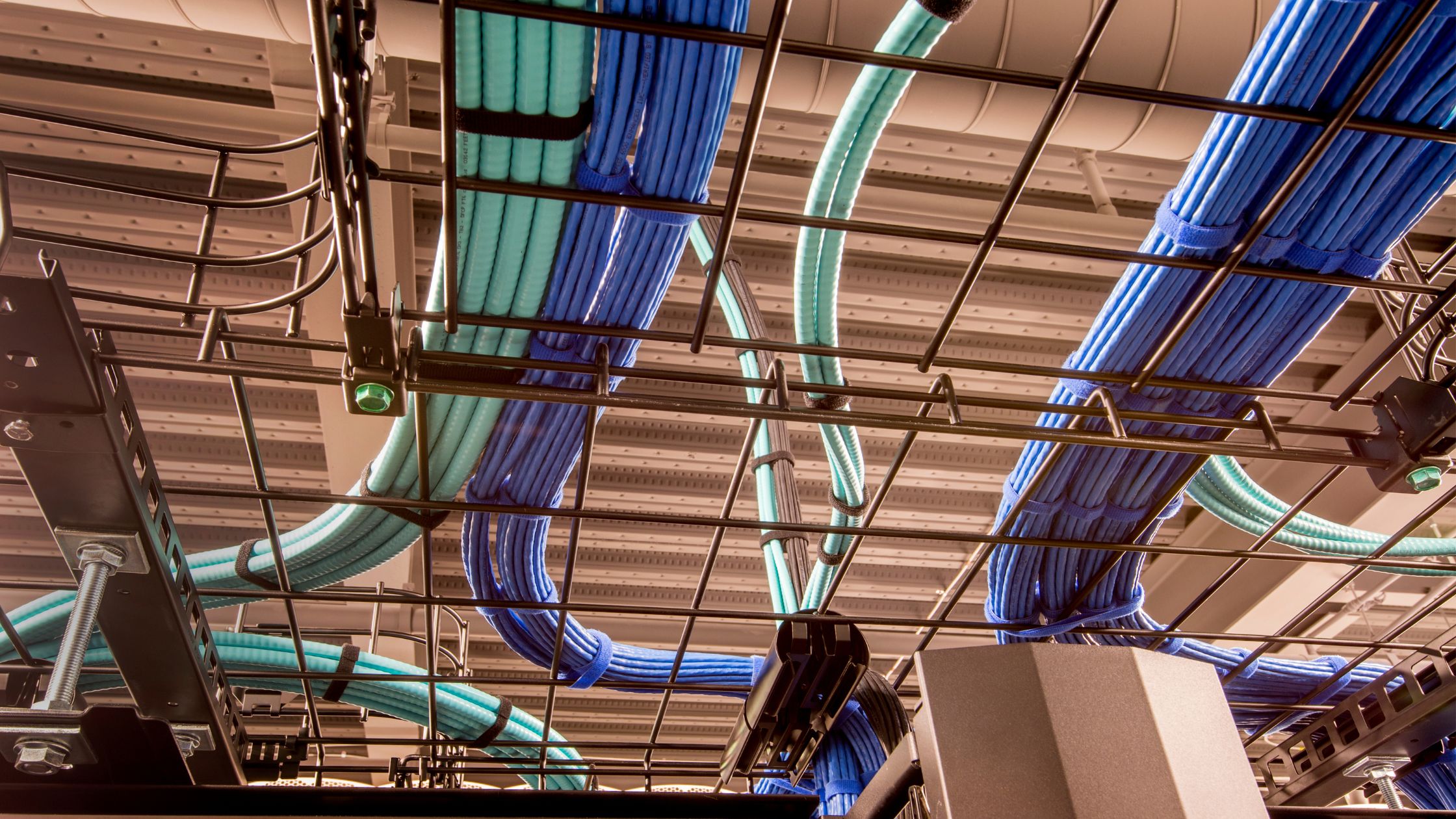
Structured cabling is a standardized approach to designing and installing cabling systems that support multiple technologies across a facility. Instead of running separate cables for data, voice, cameras, and access control, structured cabling creates an organized framework that supports all systems together.
This approach reduces complexity and ensures that new technologies can be added without ripping out existing infrastructure.
Why Businesses Outgrow Patchwork Cabling
Many facilities start with quick fixes. A cable run here, a temporary solution there. Over time, these shortcuts create problems.
Common issues include:
- Network slowdowns and dropped connections
- Troubleshooting that takes hours instead of minutes
- Limited ability to expand or upgrade systems
- Increased risk of downtime during changes or repairs
Structured cabling eliminates these issues by creating a clean, labeled, and documented cabling environment that supports long term growth.
Supporting More Than Just IT Networks
Structured cabling is not just about internet connectivity. It plays a major role in multiple building systems.
A properly installed cabling system supports:
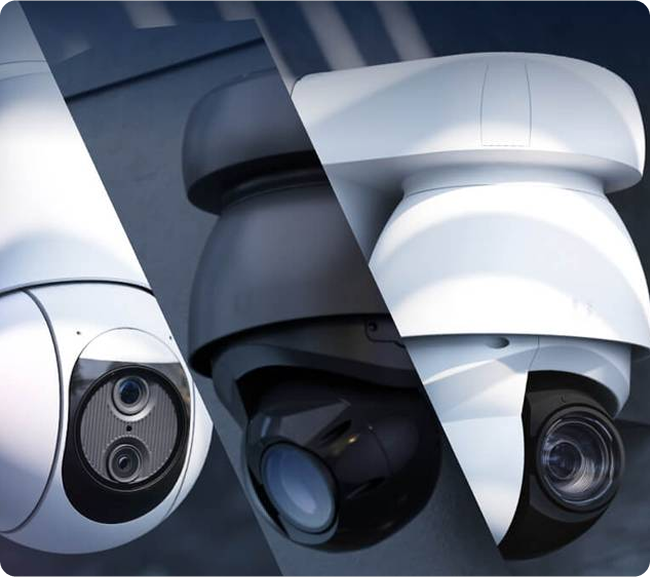
- Security cameras and video monitoring
- Access control systems
- VoIP phone systems
- Digital signage
- Audio visual systems
- Wireless access points
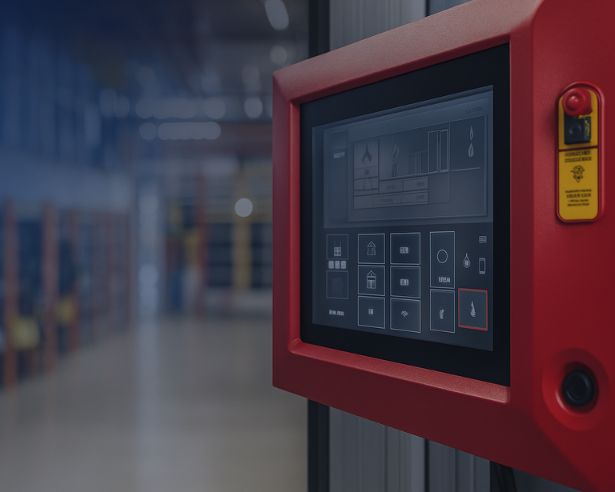
- Building automation and smart technologies
When all these systems share a common structured backbone, performance improves and maintenance becomes far easier.
Reliability Starts With Design
One of the biggest advantages of structured cabling is reliability. Design matters as much as installation.
A professional cabling plan considers:
- Cable pathways and routing
- Separation of power and data lines
- Equipment room layout
- Future expansion needs
- Compliance with industry standards
This planning prevents interference, reduces signal loss, and keeps systems operating at peak performance.
Scalability for Growing Businesses
Businesses change. Teams grow. Technology evolves.
Structured cabling allows organizations to scale without starting over. Adding new devices, expanding offices, or upgrading systems becomes far less disruptive when the cabling infrastructure is already designed to handle growth.
This flexibility saves time, reduces labor costs, and minimizes downtime.
Cleaner Spaces and Easier Maintenance
Messy cabling does more than look bad. It creates real operational challenges.
Structured cabling improves:
- Airflow in equipment rooms
- Accessibility for technicians
- Faster troubleshooting
- Lower risk of accidental disconnections
Clear labeling and documentation mean problems can be resolved quickly instead of tracing mystery cables through ceilings and walls.
The Role of Professional Installation
Structured cabling is not a DIY project. Poor installation can negate all its benefits.
Professional installation ensures:
- Compliance with industry standards
- Proper testing and certification
- Clean termination and labeling
- Accurate documentation for future use
This attention to detail is what separates a reliable infrastructure from one that causes constant headaches.
Preparing Buildings for What Comes Next
Technology will continue to advance. Higher bandwidth demands, increased security needs, and smarter building systems are already becoming the norm.
Structured cabling future proofs commercial spaces, allowing organizations to adopt new technologies without major infrastructure overhauls.
Choosing the Right Partner Matters
Not all cabling installations are equal. Experience, planning, and coordination with other building systems are critical to success.
Working with a team that understands how cabling supports security, AV, and IT systems ensures everything works together seamlessly rather than as isolated components.
If your facility is expanding, upgrading, or experiencing connectivity issues, it may be time to evaluate the cabling infrastructure behind it all.