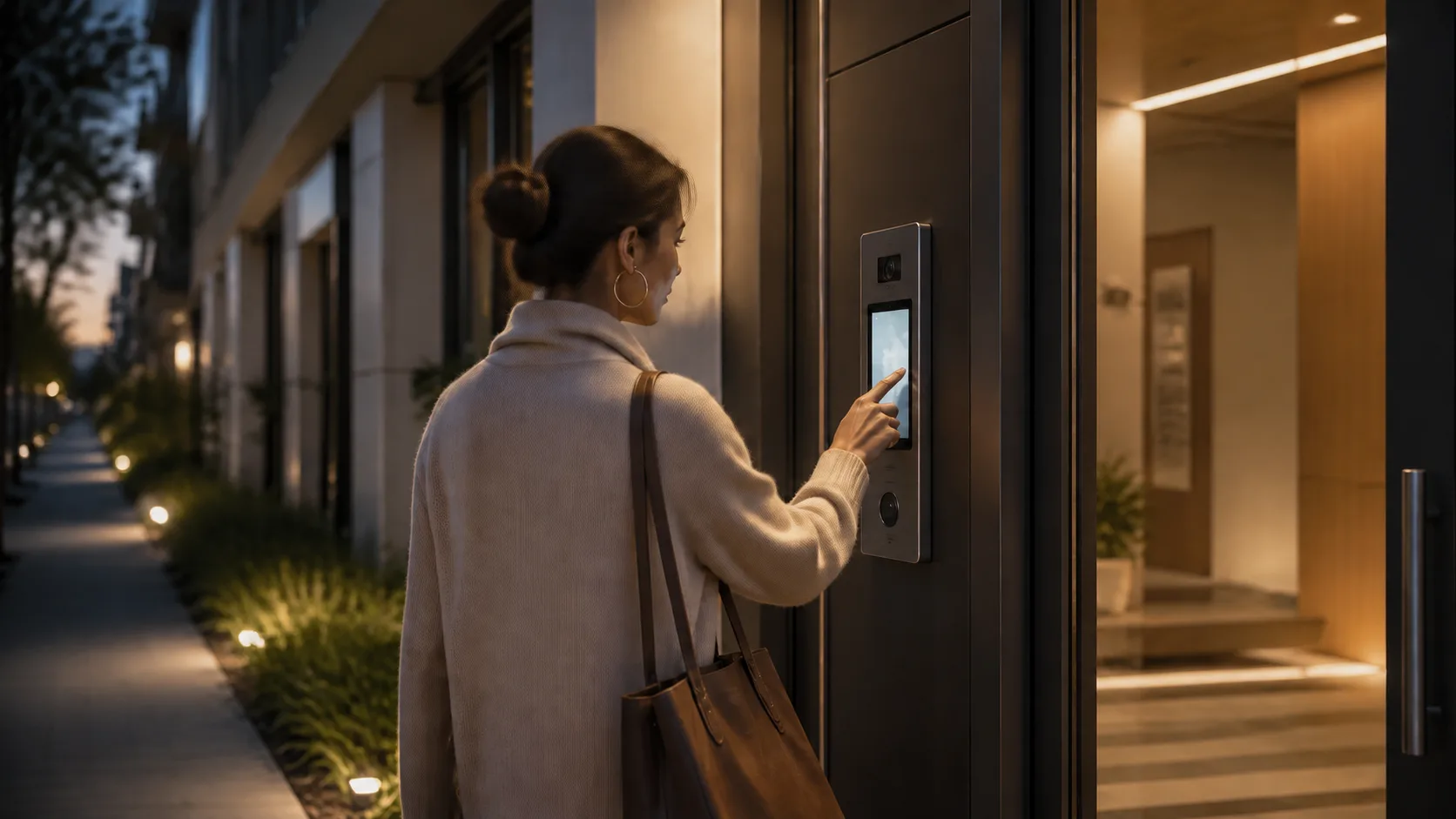
An apartment entrance can work smoothly while the leasing office is open and become confusing after staff leave. Visitors call the wrong resident, delivery drivers wait without instructions, residents prop doors, and on-call teams receive issues they cannot resolve.
A clear apartment after hours visitor entry plan connects the technology with resident responsibilities, delivery policy, accessibility, and escalation.
Map each after-hours arrival
List common users: personal guests, food and parcel deliveries, rideshare drivers, home-care providers, maintenance vendors, emergency responders, and prospective residents arriving by mistake. The property does not need to grant the same entry method to every group.
For each arrival, state who verifies the person, who authorizes entry, which opening is used, whether access expires, and what happens when the normal contact does not answer.
Keep the resident in the authorization loop
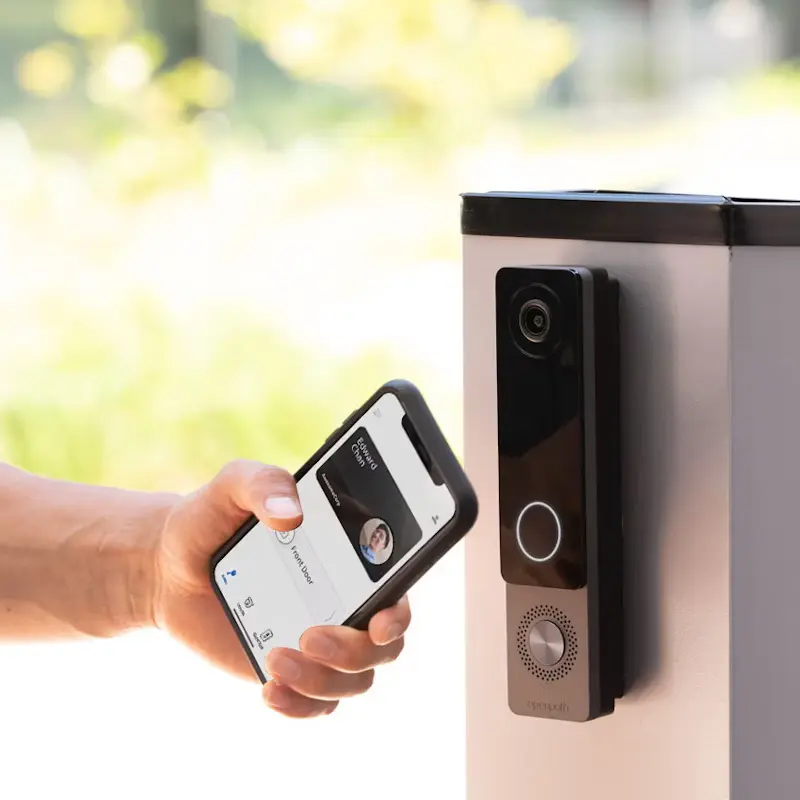
For personal visitors, the resident should generally recognize the visitor and intentionally release the appropriate entrance through the approved intercom or app workflow. Make the caller identity and building entrance clear enough that residents do not approve an unexpected request by habit.
The apartment intercom planning guide covers directory management, resident turnover, and property-management questions that should be resolved before selecting equipment.
Give deliveries a defined path
Decide which deliveries may enter, where they go, and who owns failed-delivery questions. Package rooms, lockers, staffed desks, resident release, and scheduled vendor access each create different controls.
Avoid a permanent shared code for a broad delivery group. When the system supports temporary or auditable access, define who issues it, its limits, and its expiration. Review the package-room access-control guide for a more focused package workflow.
Plan the no-answer and malfunction scenarios
Document what visitors see when a resident does not answer. The response may be to contact the resident another way, return during staffed hours, or follow a property-approved delivery process. Do not route every unanswered call to an on-call employee without confirming staffing and privacy expectations.
Create a separate support path for a resident who cannot use the system or a panel that is not working. The escalation contact should know what can be checked remotely, what requires a site visit, and how an incident is documented.
Include accessibility and privacy review
Have qualified stakeholders review reachable controls, visual and audible communication, readable instructions, and accommodations for residents and visitors with disabilities. Requirements depend on the property and jurisdiction; do not treat a generic intercom feature list as compliance confirmation.
Limit the personal information displayed in public directories. Establish who may update resident names, phone numbers, units, and call-routing records, then remove outdated information promptly during turnover.
Test the complete journey
Test after normal office hours using representative resident and visitor accounts. Confirm call routing, audio and video where included, release of the intended entrance, event records, expiration of temporary access, and the no-answer path. Include poor cellular reception or a replaced resident phone when relevant to the selected system.
Provide residents with concise instructions: how calls appear, how to deny an unknown visitor, where deliveries belong, and how to report trouble. Update the instructions whenever the workflow changes.
Tolleson Inc. plans multifamily video-entry systems and connected access-control infrastructure. Talk through your property to define an after-hours workflow before selecting devices.