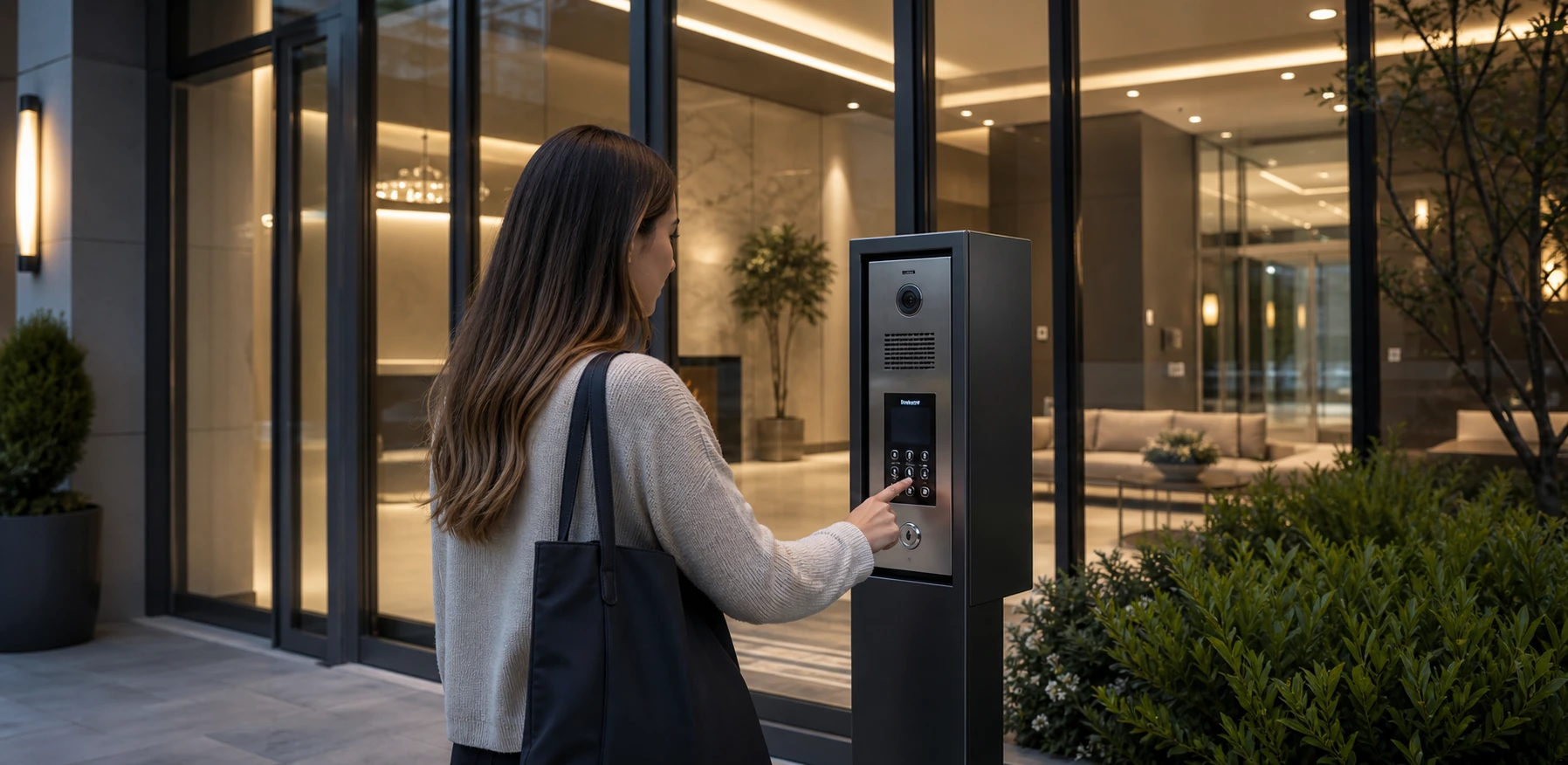
Apartment intercom systems sit at the front line of resident experience. When a visitor arrives, a delivery driver needs entry, a vendor shows up for scheduled work, or a prospective tenant is being welcomed by the leasing team, the intercom system often becomes the first technology touchpoint they encounter.
If that experience is clunky, slow, or unreliable, the property feels dated and frustrating. If it is smooth, secure, and easy to manage, the building feels better run.
That is why upgrading an apartment intercom system should not be treated as a cosmetic entry project. It is an operational decision that affects access control, resident convenience, package handling, staffing efficiency, and overall property security.
Why older apartment intercom systems cause so many problems
Many multifamily communities still rely on aging call boxes or basic directory systems that were installed years ago. These systems may still function at a basic level, but they often fall short in ways that become more obvious every year.
Common issues include:
- Poor audio quality
- Limited or outdated resident directories
- No video capability
- Difficult credential or user updates
- No mobile call routing
- Separate management from access control
- Service challenges when parts are discontinued
These problems usually show up as resident complaints, missed deliveries, inefficient leasing workflows, and increased staff involvement in tasks that should be automated.
What a modern apartment intercom system should actually do
A modern system should do more than buzz someone through the front door. It should fit into the larger operating model of the property.
Support clear visitor communication
At a minimum, visitors should be able to identify the resident or office they need to reach and connect quickly through clear audio, and often video.
Route communication intelligently
Many modern intercom platforms can route calls to mobile devices, office phones, desk stations, or other endpoints based on the time of day and the management workflow. This gives properties more flexibility than older fixed-device systems. Properties comparing options should also review dedicated video entry systems rather than treating intercom and entry control as separate scopes by default.
Integrate with entry permissions
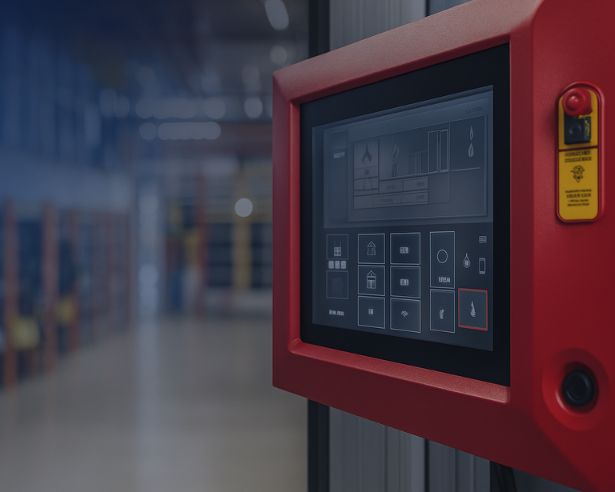
Intercom should not sit in isolation from the access control system. When integrated well, staff can manage entry permissions, visitor workflows, event logs, and credentials more consistently.
Improve resident convenience
Residents increasingly expect:
- Mobile visitor access
- Better package and delivery handling
- Faster communication at the entry
- Less friction for guests
Intercom technology now plays a central role in meeting those expectations.
Audio-only vs video intercom for multifamily properties
Many property managers considering an upgrade ask whether audio-only is still enough or whether video is now the better standard.
In most cases, video intercom is the stronger option for multifamily communities.
| Option | Strengths | Limitations |
|---|---|---|
| Audio-only intercom | Lower complexity in some cases, familiar operation | Less visibility, weaker visitor verification, more dated user experience |
| Video intercom | Better visitor confirmation, stronger resident confidence, modern user experience | Requires good network planning and proper device selection |
Video helps residents and staff confirm who is at the door before allowing entry. That is especially useful in communities with higher package traffic, after-hours visitors, or multiple building users.
Intercom should be designed around real property workflows
One of the biggest mistakes in intercom planning is buying a product before mapping the actual visitor and staff workflows.
Property managers should think through scenarios like:
- A delivery driver at the front entrance at 7:15 PM
- A resident allowing in a guest from their phone
- A vendor arriving during a scheduled maintenance window
- A prospect arriving for a tour at the leasing office
- A staff member needing to manage calls during lunch or after hours
Each of these scenarios may require different routing, permissions, and escalation behavior. The best system is the one that aligns with how the property actually works, not just what looks good at the door.
The role of mobile access in visitor entry
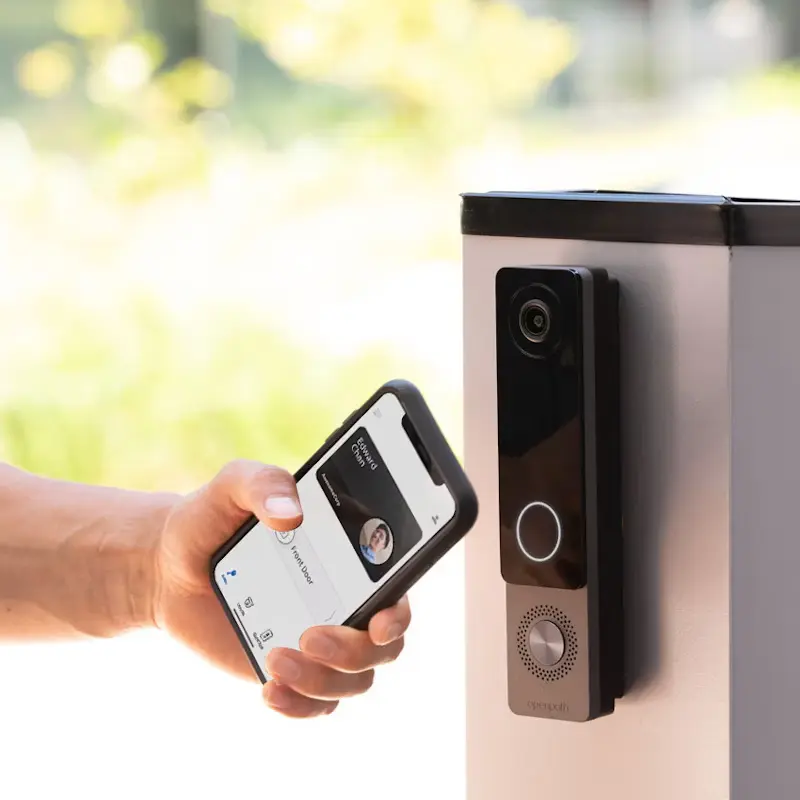
Mobile access has changed what residents expect from intercom systems. Many residents now want calls routed to their phone and want to grant entry without having to be tied to an in-unit station.
This can improve:
- Visitor convenience
- Delivery management
- Resident responsiveness
- Leasing flexibility for staff
Still, mobile convenience should not be the only consideration. The property also needs backup workflows, clear user onboarding, and stable infrastructure to support the system reliably.
Why network and cabling design matter
Intercom upgrades often fail because the property treats the device at the entry as the whole project. In reality, the intercom is only one visible part of the system.
Reliable performance depends on:
- Structured cabling
- Network switching
- Power design
- Secure controller or equipment locations
- Wi-Fi strategy where applicable
- Fiber between buildings when needed
If the property has multiple buildings, detached amenities, or gate locations, connectivity planning becomes even more important. Video intercom performance can suffer if the network backbone is not built for it.
This is why multifamily intercom planning should involve both access control expertise and infrastructure expertise. A great device installed on weak infrastructure can still become a poor resident experience.
Common intercom upgrade mistakes
Property teams can avoid a lot of frustration by watching for these mistakes early.
Mistake 1: Focusing only on the front entrance
Some properties upgrade the main entry device but ignore side entries, package access, gates, or leasing workflow changes. That creates a partially modernized experience that still feels disjointed.
Mistake 2: Ignoring delivery traffic
Package and food delivery volume has changed apartment operations. If the intercom plan does not consider how deliveries are routed and managed, complaints will continue.
Mistake 3: Choosing a system that does not integrate well
When intercom and access control live on separate platforms with separate admin workflows, onsite teams often end up doing more work instead of less.
Mistake 4: Underestimating infrastructure needs
Older properties may need cabling upgrades, power work, or network improvements to support a modern system. Skipping that assessment can lead to unstable performance.
Mistake 5: Failing to plan ongoing support
A strong intercom install still needs training, documentation, and support after the job is complete.
Questions property managers should ask before upgrading
Before selecting a new system, property managers should ask:
- How will visitor calls be routed during business hours and after hours?
- Will residents use mobile devices, in-unit stations, or both?
- How will the system support deliveries and vendors?
- Does the system integrate with access control?
- What cabling or network upgrades are required?
- How will directories be updated?
- What happens if a resident does not answer?
- How are staff permissions managed?
These questions help move the conversation away from product brochures and toward operational fit.
Where apartment intercom fits into the broader security strategy
Intercom should be part of a connected multifamily technology plan. It works best when aligned with:
- Access control
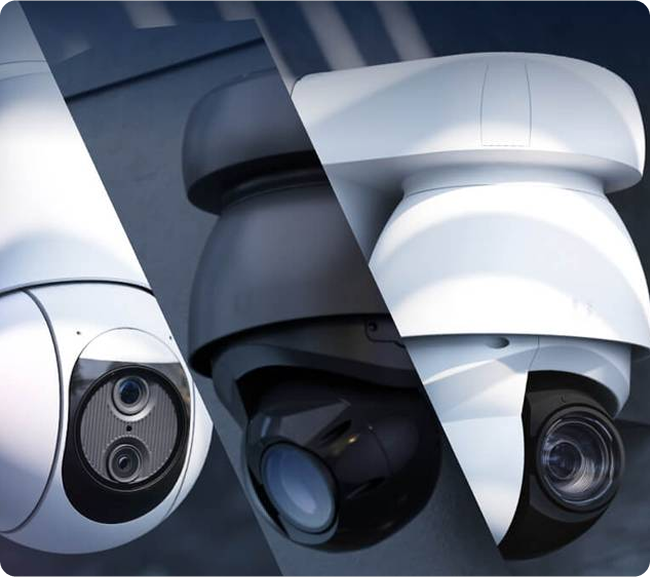
- Security cameras
- Structured cabling
- Network solutions
- Remote support
- Amenity access management
For example, if a video intercom event can be reviewed alongside camera footage and door activity, the property gains much better visibility than it would from a standalone entry device. That same combined approach is covered in more detail in how multifamily security cameras and access control work better together.
When to upgrade instead of patching the old system
Some intercom problems can be repaired. Others point to a bigger issue that should trigger a broader replacement discussion.
Signs it may be time to upgrade include:
- Frequent service calls
- Poor resident satisfaction with entry
- No video capability where it is now expected
- No mobile support
- Hard-to-update resident directories
- Discontinued or hard-to-source hardware
- No clean integration with modern access control
If several of these are happening at once, continued patching may cost more in time and frustration than a properly planned upgrade.
A better way to evaluate intercom proposals
The best proposal is not just the cheapest device at the front door. It should account for the full system environment.
Strong proposals should address:
- Front entry hardware
- Visitor and resident workflows
- Access control integration
- Network and cabling requirements
- Service model after installation
- Expansion to gates or secondary entries
- User training and documentation
That is especially important in multifamily communities where the intercom touches both resident experience and staff operations every single day.
Why this matters for Nashville and nationwide multifamily operators
Properties in Nashville, throughout Tennessee, and across the country are seeing the same trend. Residents expect a smoother arrival experience, ownership groups want tighter control, and staff teams need tools that save time instead of creating more tasks.
An apartment intercom system upgrade is one of the clearest ways to improve all three. When planned correctly, it supports better security, better convenience, and cleaner front-end operations across the property.
Before replacing a call box, property managers should assess the full entry ecosystem, including access control, cameras, structured cabling, and network readiness. That is what turns an intercom upgrade into an actual operational improvement instead of another isolated device replacement.
Frequently Asked Questions
What is the best intercom system for an apartment building?
The best system depends on the property’s entry points, resident expectations, network infrastructure, and how visitor access is managed. In many cases, video intercom integrated with access control is the strongest option.
Are apartment intercom systems worth upgrading?
Yes, especially when the current system has poor audio, no video, difficult updates, or no mobile capability. A modern system can improve security, convenience, and staff efficiency.
Should apartment buildings use video intercom?
In many cases, yes. Video intercom gives residents and staff better visibility into who is requesting access and creates a more modern and secure experience.
Can an intercom system work with access control?
Yes. In fact, integration is often one of the biggest advantages of a modern intercom upgrade because it simplifies administration and improves event tracking.
What infrastructure should be reviewed before an intercom upgrade?
Structured cabling, network switching, power, connectivity between buildings, and any related access control or camera systems should all be reviewed.
Planning a project? Explore our multifamily security and technology planning for the next step.